DNA Explained: How Your Genome Builds You
Inside nearly every one of your 30 trillion cells sits a complete instruction manual for building and operating you: your genome, about three billion letters of DNA coiled into 46 chromosomes. If unwound, the DNA in a single cell would stretch two metres; the DNA in your whole body end to end would reach the Sun and back dozens of times. This molecular text encodes some 20,000 genes, the recipes for proteins, along with vast regulatory regions that control when and where each recipe is used. The discovery of DNA’s double helix in 1953 launched the molecular age of biology, and the Human Genome Project’s completion in 2003 gave us the full text. Reading that text has transformed medicine, ancestry, forensics and our understanding of what makes us human. Here is how the genome actually works.
The double helix and its code
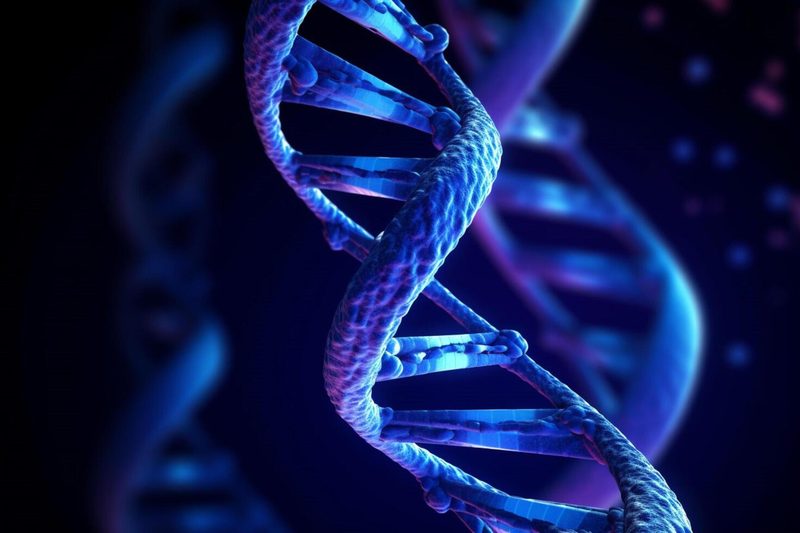
DNA is a polymer of four chemical letters, A, T, G and C, arranged in two strands wound into the famous double helix, with A always pairing with T and G with C across the strands. This complementary pairing is the secret of both copying and coding: each strand is a template for rebuilding the other, which is how cells replicate DNA before dividing with near-perfect fidelity. The sequence of letters encodes proteins in three-letter words called codons, each specifying an amino acid; the gene for insulin, for example, is a few thousand letters that ultimately produce a protein of 51 amino acids. The code is nearly universal: the same codons mean the same amino acids in bacteria, banyan trees and humans, powerful evidence that all life shares a common ancestor. James Watson, Francis Crick, Rosalind Franklin and Maurice Wilkins unravelled the structure, with Franklin’s X-ray crystallography providing the crucial data, a contribution long under-recognised. The elegance is staggering: four letters, one pairing rule, and the diversity of all life.
From gene to protein to you
Genes do not build bodies directly; they build proteins, and proteins do nearly everything. The central dogma describes the flow: DNA is transcribed into messenger RNA, which is translated by ribosomes into chains of amino acids that fold into working proteins. Proteins are enzymes that catalyse chemistry, haemoglobin that carries oxygen, keratin that makes hair, antibodies that fight infection, and the molecular motors that move muscles. But having 20,000 genes is only the start; the miracle is regulation. Every cell contains the same genome, yet a neuron and a liver cell behave utterly differently because they express different subsets of genes, controlled by regulatory DNA, transcription factors and epigenetic marks that switch genes on and off. Development is this regulatory programme unfolding: the same genome produces a heart cell in the chest and a retinal cell in the eye by reading different chapters. When regulation fails, the consequences range from birth defects to cancer, which is fundamentally a disease of mutated genes and broken regulation.
Variation, inheritance and what genes don’t determine
Any two humans share 99.9 per cent of their DNA; the 0.1 per cent difference, about three million letters, accounts for our individuality. Most traits are polygenic, influenced by hundreds or thousands of variants each contributing a tiny effect, which is why height, intelligence and disease risk run in families without following simple patterns. Mendelian single-gene traits, like cystic fibrosis or sickle cell disease, are the exception, not the rule. Inheritance shuffles the deck each generation through recombination, which is why siblings differ. Crucially, genes are not destiny: identical twins with identical genomes diverge in health and behaviour because environment, chance and epigenetics modulate gene expression. The heritability of a trait measures how much variation in a population is genetic, not how genetically determined it is in an individual, a distinction constantly mangled in public debate.
- The human genome contains about 3 billion DNA letters and roughly 20,000 protein-coding genes.
- Any two humans share 99.9 per cent of their DNA sequence.
- The genetic code is nearly universal across all life on Earth.
- Every cell contains the full genome but expresses only a subset of genes.
- The Human Genome Project completed the first full human sequence in 2003.
The genomic revolution in medicine
Reading genomes is now routine and increasingly cheap: sequencing that cost billions in 2003 costs a few hundred dollars today. In medicine, this enables precision oncology, matching cancer drugs to tumour mutations; pharmacogenomics, predicting drug responses from DNA; carrier screening for genetic diseases common in India like thalassemia and sickle cell; and non-invasive prenatal testing from a blood draw. CRISPR gene editing, adapted from bacterial immune systems, lets scientists rewrite DNA with unprecedented precision, with approved therapies now curing sickle cell disease and beta thalassemia by editing patients’ own blood stem cells. Forensics, ancestry testing and conservation all run on DNA. The ethical frontiers are real: germline editing would change inheritance itself, genetic privacy is poorly protected, and the spectre of eugenics shadows every discussion. India, with its vast population and genetic diversity, has launched genome-sequencing initiatives to ensure its people are represented in the genomic databases that will shape future medicine. The double helix turned out to be not just biology’s secret but a technology, and we are still learning to wield it wisely.
FAQs
Do humans really share DNA with bananas? About 50 per cent of genes have recognisable counterparts, reflecting shared basic cellular machinery from a common ancestor over a billion years ago, not close relatedness.
Can DNA predict my future health? Partially. Polygenic scores estimate risk probabilities for some diseases, but lifestyle and chance matter enormously; genes are tendencies, not fortunes.
Four letters, three billion of them, twenty thousand recipes: the genome is the most information-dense object most of us will ever own, and we are only beginning to learn to read it.
Compiled by the Khabar 24h Editorial Desk from publicly available sources.

Khabar 24h Editorial Desk — our explainers are prepared by the Khabar 24h editorial team using AI-assisted research tools, and every piece is reviewed by a human editor before publishing. We do not claim original reporting: our work is turning complex topics into simple, accurate summaries. Spotted an error? Write to contact@khabar24h.com — our corrections policy aims for same-day review.
More from this author →