Voter Turnout Explained: Why Some Democracies Vote More Than Others
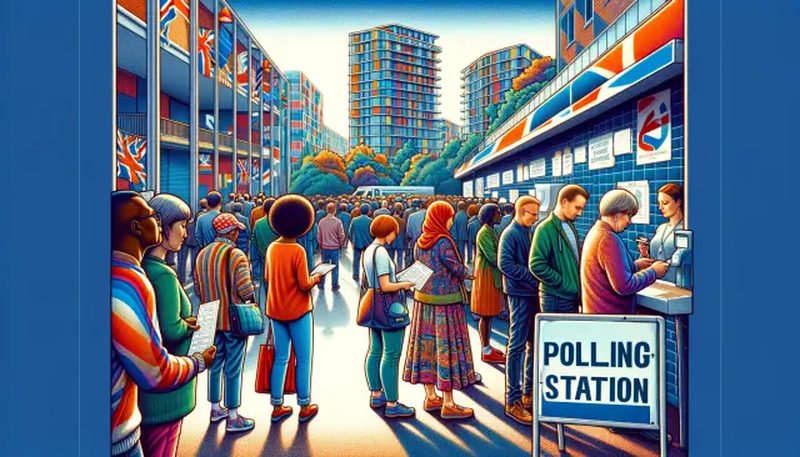
Voter turnout — the share of eligible citizens who actually vote — varies enormously: India’s 66% in 2024, America’s 64% in 2020, but barely 47% in some US midterms and under 40% in many local contests. High turnout is democracy’s health metric, yet the causes of participation are debated: institutions, culture, competitiveness and mobilisation all matter. This explainer examines why some democracies vote more than others — and what India teaches the world.
What drives turnout?
Political scientists identify layered causes. Institutions: proportional systems outvote majoritarian ones (more votes matter); weekend voting, automatic registration and compulsory voting (Australia, Belgium) raise participation; voter-ID strictness lowers it. Competitiveness: close races mobilise — landslides demobilise. Mobilisation: parties, unions and movements that knock on doors raise turnout; India’s booth-level party machines are world-class at this. Culture: civic-duty norms, education and social capital correlate strongly. Demographics: older, wealthier, more educated citizens vote more — everywhere, the participation gap favours the privileged.
Why is India’s turnout so high?
India defies the modernisation theory that predicted development would bring participation: its turnout rose as it stayed poor. The reasons are distinctive. The Election Commission’s formidable machinery — a million polling stations, voter slips, EPIC cards, the Model Code — makes voting accessible. Parties mobilise intensely at the booth level, treating turnout as war. Voting is festive and social, a community event. And crucially, the poor vote more than the rich in India — the reverse of Western patterns — because the state matters more to them: rations, housing, jobs depend on it. India’s 2024 turnout of 66% exceeded America’s 2020 record, a fact that reframes every lecture on democratic maturity.
Why do some democracies vote less?
America’s lower turnout reflects registration barriers, Tuesday voting, felony disenfranchisement and weak party mobilisation. Switzerland’s frequent referendums breed fatigue. Japan’s turnout has declined with party-system stagnation. Across the West, declining union membership, party dealignment and youth disengagement drag numbers down. The pattern: where voting is hard, where choices feel meaningless, or where citizens feel unheard, they stay home — and the abstainers are disproportionately young, poor and marginalised, skewing representation toward the already-powerful.
Can turnout be raised?
Reformers have a tested toolkit.
- Make it easy: automatic registration, weekend or holiday voting, postal and early voting — every friction removed adds points.
- Make it compulsory: Australia’s mandatory voting delivers 90%+ turnout, though it forces the unwilling.
- Make it matter: proportional systems and competitive races give every vote visible weight.
- Mobilise: India’s lesson — parties and movements that ask people to vote, repeatedly and personally, succeed.
- Civic education: long-term, but the only fix for disengagement rooted in alienation.
Turnout is democracy’s vital sign: not just who wins, but who participates. India’s achievement — the world’s largest electorate voting at rates that shame richer democracies — shows participation is a choice societies make, through institutions, mobilisation and belief that the vote matters. The ballot’s power depends on citizens claiming it.
Turnout and legitimacy
High turnout confers legitimacy that low-turnout winners lack: India’s governments can claim a genuine popular mandate in ways that, say, a 40%-turnout municipal victor cannot. But turnout alone does not guarantee democratic health — authoritarian regimes from the USSR to contemporary autocracies stage 90%+ turnouts through coercion. What matters is voluntary participation under free conditions. India’s achievement is precisely that: massive, voluntary, competitive participation — the combination that makes its turnout figures meaningful rather than merely impressive.
The youth question
Every democracy worries about young abstention, and India is no exception: first-time voters register and turn out at lower rates than their elders, distracted by migration, disillusionment or simple apathy. The EC’s Systematic Voters’ Education and Electoral Participation (SVEEP) programme targets campuses and new voters with celebrity campaigns and registration drives. Whether Generation Z’s political energy — visible in protests and online — converts into queues at polling booths will shape Indian democracy’s next decades. The ballot needs the young more than the young need the ballot.
FAQs
Which country has the highest turnout?
Among major democracies, Australia’s compulsory voting delivers 90%+; India’s 66% in 2024 led the world’s large voluntary-voting democracies.
Why do the poor vote more than the rich in India?
Because state benefits — rations, housing, jobs — matter more to them, and parties mobilise poor communities intensively at the booth level.
Does compulsory voting work?
Yes, mechanically — Australia, Belgium and others sustain very high turnout — though critics argue it forces disengaged citizens to cast meaningless votes.
Source: International IDEA

Khabar 24h Editorial Desk — our explainers are prepared by the Khabar 24h editorial team using AI-assisted research tools, and every piece is reviewed by a human editor before publishing. We do not claim original reporting: our work is turning complex topics into simple, accurate summaries. Spotted an error? Write to contact@khabar24h.com — our corrections policy aims for same-day review.
More from this author →