How Political Funding Works in India: Electoral Bonds, Trusts and the Reform Debate
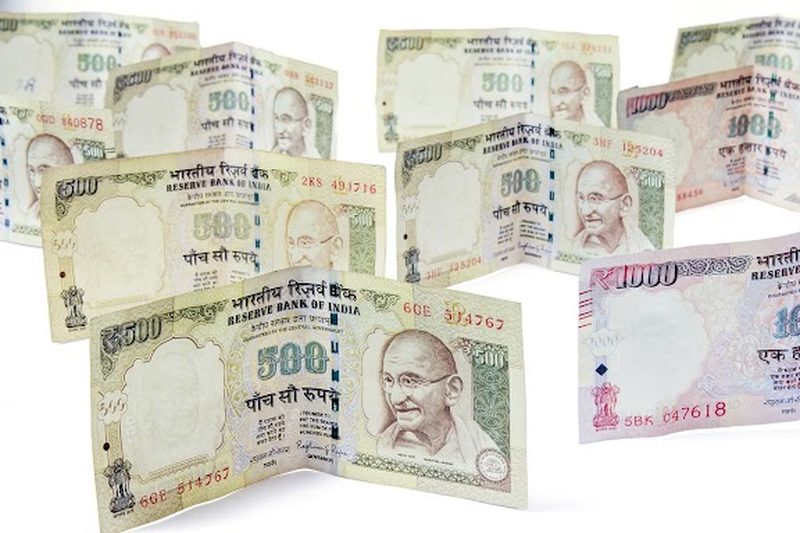
Elections in India are among the most expensive in the world, and the question of who pays for them has haunted Indian democracy for decades. Political funding sits at the intersection of money, power and transparency: parties need vast resources to campaign, donors seek influence, and voters have a right to know who is bankrolling whom. The story runs from cash in envelopes to electoral bonds and a landmark Supreme Court verdict that declared them unconstitutional.
How parties raise money
Indian parties fund themselves through several channels. Membership fees and small donations provide the base, though they cover only a fraction of costs. Corporate and individual donations above prescribed thresholds must be disclosed to the Election Commission. Electoral trusts, non-profit entities created to route corporate contributions to parties, offer a structured channel. And for years, the dominant instrument was the electoral bond, an anonymous bearer instrument for political donations introduced in 2018. Public funding of elections, long debated, has never been adopted at scale.
Electoral bonds: the rise and fall
Electoral bonds were interest-free bearer bonds, sold by the State Bank of India in specified windows, that donors could buy and donate to eligible parties, which encashed them within 15 days. The donor’s identity was known only to the bank, not to the public: the scheme promised to cleanse political funding by moving it into banking channels while protecting donor privacy. Critics argued the anonymity enabled quid pro quo, noting that the ruling party received the lion’s share. In February 2024, the Supreme Court unanimously struck down the scheme as unconstitutional, holding that anonymous corporate donations violated voters’ right to information, and ordered the disclosure of all bond data.
What the disclosures revealed
The data published after the verdict, covering thousands of crores in donations, let the public match donors to parties for the first time. Investigative reporting traced patterns: companies donating soon after receiving government contracts or regulatory decisions, and donors spreading contributions across rival parties. Defenders of the scheme noted that it had at least moved money from cash to banks; critics argued the revelations vindicated every warning about opacity. The episode became a case study in how transparency, once forced, reshapes political narratives.
Electoral trusts and other channels
Electoral trusts, introduced in 2013, allow companies to contribute to a trust that distributes funds to parties, with the trust disclosing aggregate receipts and disbursements. Unlike bonds, trusts offer partial transparency: the public sees totals but not always the donor-party mapping. Parties also receive state funding in kind, free broadcast time on public media and, for recognised parties, subsidised office space. Yet the bulk of election expenditure, candidates’ spending far above legal limits, is widely believed to flow through unaccounted channels, the black money problem that every reform has tried and failed to eliminate.
The reform debate
Reform proposals recur with each scandal. Public funding of elections, through a national election fund distributed by formula, is favoured by several commissions but resisted over cost and design questions. Stricter disclosure thresholds, real-time donation reporting, and caps on corporate donations have been suggested. Some propose tax incentives for small donations to broaden the funding base. The Law Commission and the Election Commission have both recommended that parties’ accounts be audited by auditors approved by the Comptroller and Auditor General, a proposal parties have resisted. Several states have experimented with stricter local disclosure rules, though national reform remains stalled. The deeper challenge is enforcement: the Election Commission can disqualify candidates for false expenditure accounts, but proving the true scale of spending in a cash-heavy economy remains extraordinarily difficult.
FAQs
Are electoral bonds still valid? No. The Supreme Court struck down the scheme in February 2024, and no new bonds have been issued since.
Do parties have to disclose all donations? Donations above 20,000 rupees from known sources must be reported to the Election Commission; smaller anonymous contributions face separate caps.
Is corporate funding of parties legal? Yes, within limits set by company law, which has been amended over the years to widen corporate donation powers.
Political funding reform in India moves in cycles: scandal, outrage, a new instrument, fresh loopholes. The bonds saga suggests the next cycle will be fought over transparency itself.
How India funds its politics will determine how much ordinary voters can trust the system they vote in.
Compiled by the Khabar 24h Editorial Desk from publicly available sources.

Khabar 24h Editorial Desk — our explainers are prepared by the Khabar 24h editorial team using AI-assisted research tools, and every piece is reviewed by a human editor before publishing. We do not claim original reporting: our work is turning complex topics into simple, accurate summaries. Spotted an error? Write to contact@khabar24h.com — our corrections policy aims for same-day review.
More from this author →