Agniveer Scheme Explained: How India’s Military Recruitment Changed
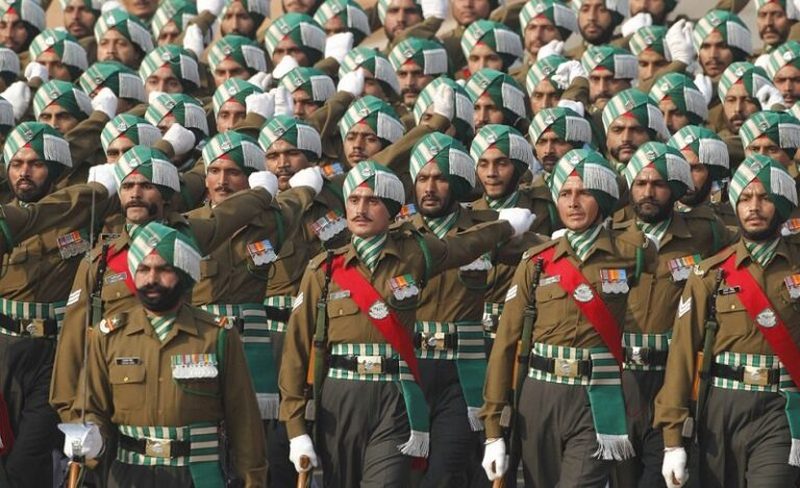
In 2022, India fundamentally changed how it recruits soldiers: the Agnipath scheme replaced the traditional long-service enrolment of jawans with four-year terms as Agniveers, after which only a quarter are retained for full service. The reform, aimed at lowering the average age of the armed forces and controlling the pension bill, triggered the most intense debate over military policy in decades, including violent protests and a central election issue. This explainer covers how Agniveer works, why the government did it, and the concerns that persist.
How Agniveer works
Under Agnipath, recruits aged 17.5 to 23 are enrolled as Agniveers for four years, including training. They receive a monthly package starting around Rs. 30,000, rising annually, with allowances, and a Seva Nidhi exit package of about Rs. 11.7 lakh, partly contributed from their pay, on completion, tax-free. On completion of four years, up to 25 per cent are selected for regular service of 15-plus years based on merit and organisational need; the rest leave with the Seva Nidhi, skill certificates, and reservations in paramilitary forces, state police, and some public sector jobs. Death and disability compensation provisions mirror regular terms during service. Recruitment rallies run as before, but the intake is now entirely through the Agniveer route for soldiers, sailors, and airmen below officer rank; officer recruitment through NDA, IMA, and equivalents is unchanged. The first batches were enrolled in late 2022 and 2023.
The government’s rationale
The official case rests on two pillars: youth and money. The average age of Indian soldiers had crept toward the mid-30s, high for an infantry-centric army facing two-front threats; Agnipath aims to bring it down to the mid-20s, on the theory that younger soldiers are fitter, more adaptable to technology, and better suited to modern warfare’s physical demands. The fiscal argument is starker: pensions had become one of the defence budget’s largest components, constraining modernisation spending on equipment; a four-year service model with limited pension liability frees resources for capital acquisition. The government also cites the societal benefit: lakhs of disciplined, trained youth entering the workforce and paramilitary annually. International models, from Israel to the US volunteer systems, are invoked, though none maps neatly onto India’s context.
The concerns: military effectiveness
Critics, including many veterans, raise pointed military concerns. Four years, with training consuming a large part, may be too short to build the cohesion, regimental ethos, and technical mastery that soldiering demands; the fear is a force of transient trainees rather than committed professionals. The 25 per cent retention creates a two-tier psychology: those selected versus those released, potentially affecting motivation. The regimental system, built on long-service bonding and regional identities, faces disruption. Some analysts worry about the released 75 per cent: thousands of militarily trained youth entering a weak job market, though the government points to reservations and the Seva Nidhi. The counter-argument from supporters: modern warfare needs tech-savvy youth more than decades of drill, short-service models work elsewhere, and the retained quarter provides continuity. The truth will emerge only as Agniveer batches mature into operational units, a process still underway.
The political firestorm
Agnipath’s announcement in June 2022 triggered violent protests across Bihar, Uttar Pradesh, and other states, with trains torched and recruitment aspirants, who had prepared for years under the old system, feeling betrayed. The government made concessions: raising the entry age to 23 for the first batches, announcing paramilitary and state police reservations, and priority in public sector hiring. The scheme became a major issue in the 2024 general election, with the opposition promising to scrap it, and post-election coalition dynamics kept the debate alive. The political lesson was sharp: military recruitment in India is not merely a personnel policy but a socio-economic contract with the Hindi heartland’s youth, for whom the army was the most coveted government job. Changing it without consultation carried costs the government had not fully anticipated.
Where the scheme stands
Agniveer is now the settled recruitment route, with successive batches enrolled and the first cohorts completing service. The government has fine-tuned provisions: enhanced reservations, skill certification, and financial planning support for exiting Agniveers. Review mechanisms, including the possibility of adjusting the retention percentage, remain on the table. The scheme’s ultimate judgment will be operational: whether the armed forces’ combat effectiveness, cohesion, and morale are maintained or enhanced. Early assessments are mixed and often politicised; rigorous, independent evaluation is scarce. What is certain is that Agnipath represents the most significant restructuring of India’s military manpower since independence, and its consequences, intended and otherwise, will shape the armed forces for a generation.
FAQs
How long is Agniveer service? Four years including training, with up to 25 per cent retained for regular long service based on merit.
What do Agniveers get on exit? A Seva Nidhi package of about Rs. 11.7 lakh, skill certificates, and reservations in paramilitary, police, and some public sector jobs.
Does it apply to officers? No, officer recruitment through NDA, IMA, OTA, and equivalents is unchanged; Agnipath covers soldiers, sailors, and airmen.
The Agniveer scheme traded the old military social contract for a younger, cheaper force. Whether the trade was wise is the most consequential open question in Indian defence policy, and the answer will be written in the performance of its soldiers.
Compiled by the Khabar 24h Editorial Desk from publicly available sources.

Khabar 24h Editorial Desk — our explainers are prepared by the Khabar 24h editorial team using AI-assisted research tools, and every piece is reviewed by a human editor before publishing. We do not claim original reporting: our work is turning complex topics into simple, accurate summaries. Spotted an error? Write to contact@khabar24h.com — our corrections policy aims for same-day review.
More from this author →