The Millet Mission: Why India Put Shree Anna Back on the Global Menu
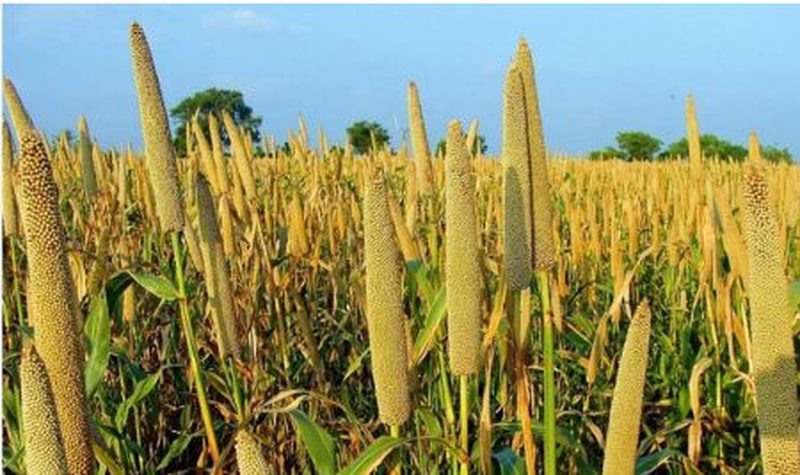
For decades, millets, jowar, bajra, ragi, and their small-grained cousins, were India’s forgotten foods: dismissed as coarse grains for the poor while policy and palates chased rice and wheat. Then came the turnaround: India proposed and secured the UN’s International Year of Millets in 2023, rebranded millets as Shree Anna, the mother of all grains, and put them on G20 summit menus, in government canteens, and at the centre of a national mission. The millet mission blends nutrition, climate resilience, and farmer incomes into a single story. This is why India put Shree Anna back on the global menu, and whether the revival will stick.
The nutrition and climate case
Millets’ virtues are well documented. Nutritionally, they outperform rice and wheat on several counts: finger millet, ragi, is rich in calcium; pearl millet, bajra, in iron; foxtail and little millets in fibre; most have lower glycaemic indices, relevant for India’s diabetes epidemic, and are gluten-free. Agronomically, they are hardy: grown rainfed on poor soils with minimal inputs, maturing quickly, and surviving the heat and water stress that devastate other crops. In a country facing groundwater depletion and climate volatility, these are not marginal advantages but strategic ones: millets offer a food system less dependent on irrigation, fertiliser, and stable monsoons. The irony is that India never stopped growing millets at scale; it is among the world’s largest producers, but policy, MSP, procurement, PDS, favoured rice and wheat, and consumption shifted accordingly.
The International Year and after
The 2023 International Year of Millets was a diplomatic and promotional triumph: India led global celebrations, hosted a global millets conference, and showcased millet-based cuisine to the world, including at the G20 summit in Delhi, where visiting leaders ate millet dishes. Domestically, the mission machinery kicked in: increased MSPs for millets, inclusion in PDS in several states, millet missions in Odisha, Karnataka, and others, startups supported for millet-based foods, and the Shree Anna branding across government programmes. Exports were promoted, with Indian millets shipped to new markets. The cultural reframing was deliberate: from poor man’s grain to superfood, from coarse to Shree Anna. Celebrity chefs, nutritionists, and fitness influencers amplified the message, and urban demand for millet products, flours, snacks, ready-to-eat foods, grew visibly.
Can the revival reach the farm?
The critical question is whether demand translates into farmer incomes. Millets’ economics at the farm gate remain challenging: yields are lower than rice and wheat, processing, dehulling small grains, is cumbersome without machinery, and MSP, while announced, sees limited procurement. Farmers respond to price signals, and until millets reliably pay, acreage will not shift at scale. The value-chain gaps are real: decentralised processing infrastructure is thin, quality standards for markets are underdeveloped, and the link between urban superfood demand and farm-gate prices is mediated by processors and brands who capture much of the margin. Successful models exist: Odisha’s millet mission, which built decentralised procurement, processing, and PDS inclusion, shows what integrated support looks like. But replicating that nationally requires sustained investment, not just a celebratory year.
The consumption challenge
On the demand side, the mission fights entrenched habits. Rice and wheat are convenient, familiar, and embedded in the PDS; millets require different cooking, have shorter shelf life as flour, and carry lingering status associations. Urban health-conscious consumers are the easiest converts, but mass consumption depends on institutional demand: school mid-day meals, anganwadis, government canteens, and the PDS itself. Several states have moved millets into these channels, and the centre’s promotion of fortified and millet-based foods points the same way. The food industry’s role is double-edged: startups and FMCG brands expand availability but also premiumise millets beyond the common consumer’s reach. The mission’s test is whether Shree Anna becomes everyday food or remains a boutique health product.
Assessing the mission
The millet mission deserves credit for ambition and framing: it linked nutrition, climate, and farmer welfare in a coherent narrative and gave India a distinctive voice in global food debates. The International Year put millets on the world menu permanently; the question is the Indian thali. Durable success needs the unglamorous work: procurement at MSP, processing infrastructure, institutional demand through PDS and mid-day meals, and R&D for better varieties. Millets were India’s foods for millennia before the Green Revolution sidelined them; the mission is, in a sense, a homecoming. Whether the homecoming lasts depends on whether policy stays past the celebration.
FAQs
What are Shree Anna? The government’s name for millets, jowar, bajra, ragi, and small millets, promoted for their nutrition and climate resilience.
Why 2023? India proposed and the UN declared 2023 the International Year of Millets, which India used to launch its global and domestic promotion.
Are millets healthier than rice and wheat? They are richer in fibre, minerals, and have lower glycaemic indices, though balanced diets matter more than any single grain.
The millet mission took a forgotten food and made it a national cause. Nutrition, climate resilience, and farmer incomes all point the same way; whether India’s food system follows is the work of the coming decade.
Source: Down To Earth

Khabar 24h Editorial Desk — our explainers are prepared by the Khabar 24h editorial team using AI-assisted research tools, and every piece is reviewed by a human editor before publishing. We do not claim original reporting: our work is turning complex topics into simple, accurate summaries. Spotted an error? Write to contact@khabar24h.com — our corrections policy aims for same-day review.
More from this author →