DigiLocker Explained: How India Digitised Certificates, Licences, and Marksheets
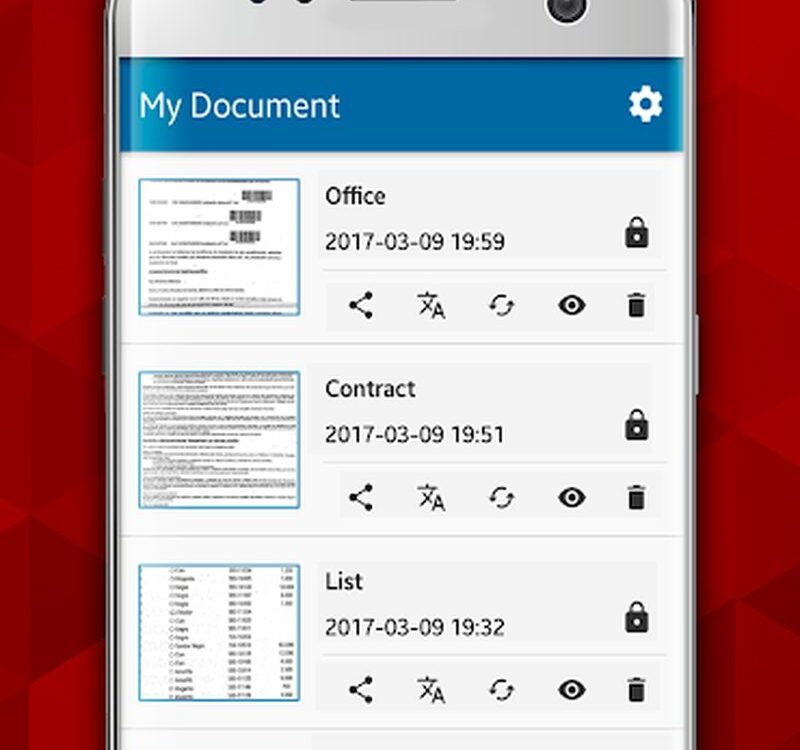
DigiLocker is the quiet giant of India’s digital infrastructure: a cloud-based platform holding crores of issued documents, from CBSE marksheets to driving licences to vehicle registrations, each digitally signed and legally valid. Conceived under the Digital India programme as a way to end the tyranny of attested photocopies, it has grown into the default wallet for official documents, integrated with Aadhaar, and accepted by authorities from traffic police to passport offices. This is how DigiLocker works and why it matters.
What DigiLocker is
DigiLocker is a digital document wallet operated under the Ministry of Electronics and Information Technology, giving every Aadhaar-holding resident cloud storage linked to their identity. It has two kinds of documents: issued documents, fetched directly from government departments and digitally signed, like a CBSE certificate pulled from the board’s database, and uploaded documents, scanned copies the user stores themselves. The distinction is crucial: issued documents are treated as authentic originals under the Information Technology Act, while uploaded documents are merely stored copies. Signing up requires Aadhaar-based mobile verification; the account is then a permanent, portable repository that survives phone changes, house moves, and lost files. With crores of registered users and issued documents, it is among the world’s largest digital locker systems.
What you can keep in it
The catalogue of issuers is the platform’s real asset. Education boards, CBSE, ICSE, and state boards, issue marksheets and certificates directly; transport departments issue driving licences and registration certificates; the passport system, income tax department, and various municipal bodies are integrated; and newer additions include health records, insurance policies, and professional certificates. For students, DigiLocker has been transformative: board certificates are available within days of results, verifiable by employers and universities through the issuer’s digital signature, ending the era of lost marksheets and fake degrees. For drivers, the digital licence in DigiLocker is legally valid during traffic stops. The network effect is powerful: each new issuer makes the wallet more useful, and each new user gives issuers more reason to integrate.
How verification works
The magic of an issued document is cryptographic: it carries the digital signature of the issuing authority, which any verifier can check against the issuer’s public records, often via a QR code or through the DigiLocker verification API. This makes issued documents tamper-evident in a way paper never was; a forged marksheet cannot carry CBSE’s valid signature. Organisations from employers to banks to government recruiters increasingly accept DigiLocker documents, and several states have mandated acceptance by their departments. The system also supports consent-based sharing: a user can share a document with a requesting organisation through a secure link rather than handing over photocopies. This architecture, issuer-signed originals plus consent-based sharing, is what separates DigiLocker from a mere cloud drive, and it is the model India’s digital public infrastructure keeps replicating.
Privacy, security, and the limits
Concentrating a citizen’s documents in one Aadhaar-linked account raises obvious questions. DigiLocker’s answers: data is encrypted, access requires Aadhaar-linked authentication, sharing is consent-based, and the platform operates under government data policies with audit trails. Critics note the usual concerns about centralised data stores and the linkage of identity across services, and breach reports anywhere in the ecosystem draw scrutiny. Practical limits matter too: DigiLocker is only as complete as its issuer network, and many local bodies, older records, and private institutions remain outside it; uploaded documents, the bulk of what most users store, carry no authenticity guarantee; and digital literacy gaps mean the benefits accrue disproportionately to the already-connected. The platform is infrastructure, not magic: it removes the friction of paper without removing the underlying inequalities of access.
Why it matters
DigiLocker’s significance goes beyond convenience. It established, at national scale, the principle that a digitally issued, cryptographically signed document is the original, a legal and cultural shift with implications for everything from land records to health data. It demonstrated the digital public infrastructure playbook: government as platform builder, private and public issuers as participants, citizens as beneficiaries. And it quietly solved, for crores of people, the small humiliations of Indian bureaucracy: the attested copy, the lost certificate, the trip to the board office. The wallet in the cloud will not fix governance by itself, but it removed one of its most universal irritants.
FAQs
Is a DigiLocker document legally valid? Issued documents, fetched from the issuer and digitally signed, are legally valid originals under the IT Act; uploaded scans are not.
Do I need Aadhaar for DigiLocker? Yes, signup and authentication are Aadhaar-linked, with mobile OTP verification.
Is traffic police required to accept digital licences? Yes, digital driving licences and registration certificates via DigiLocker or mParivahan are valid for enforcement.
DigiLocker turned the humble file folder into national infrastructure. Crores of documents, issued and signed in the cloud, accepted as originals: the attested photocopy’s long reign is finally ending.
Compiled by the Khabar 24h Editorial Desk from publicly available sources.

Khabar 24h Editorial Desk — our explainers are prepared by the Khabar 24h editorial team using AI-assisted research tools, and every piece is reviewed by a human editor before publishing. We do not claim original reporting: our work is turning complex topics into simple, accurate summaries. Spotted an error? Write to contact@khabar24h.com — our corrections policy aims for same-day review.
More from this author →