Driving Licence in India: Learner’s Permits, Smart Cards, and the Digital Shift
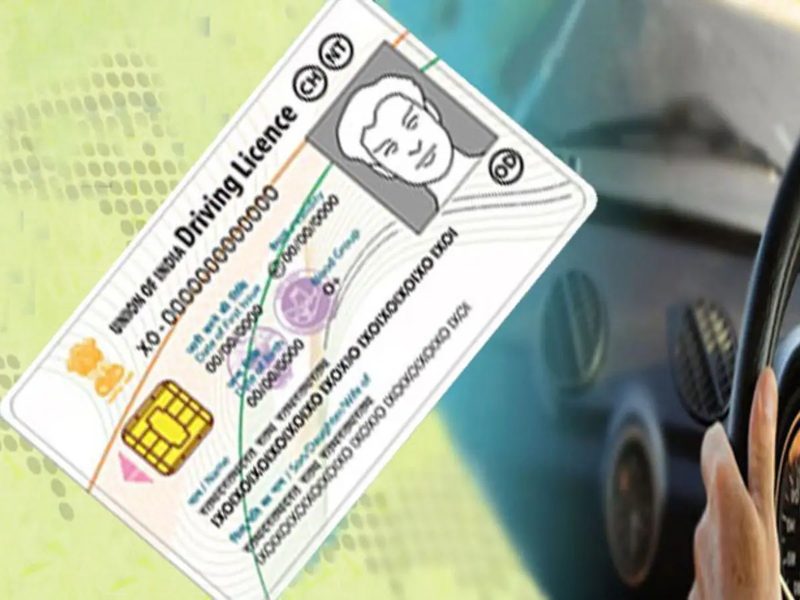
Over 30 crore driving licences are on record in India, and the system that issues them has been quietly revolutionised: learner’s licences in many states are now issued online without visiting the RTO, Aadhaar-based authentication has replaced much paperwork, and services from renewals to address changes run through the national Parivahan portal. Yet the RTO retains its reputation as a place of touts and trials, and the driving test, for two-wheelers and cars alike, still defeats the unprepared. This guide explains the full journey from learner’s permit to smart card.
The learner’s licence: step one
Every driver starts with a learner’s licence, valid for six months, which permits driving only with a licensed companion and an L sign displayed. Applicants must be 16 for gearless two-wheelers under 50cc, 18 for other vehicles, and 20 for transport vehicles, with educational and training requirements for the commercial categories. The application runs through the Parivahan portal: fill the form, upload documents, Aadhaar-based e-KYC simplifies this enormously, pay the fee, and take the online test. The test covers traffic signs, signals, and rules of the road through multiple-choice questions, and in faceless states it can be taken from home with remote proctoring. Pass, and the learner’s licence is issued digitally, printable at home. The system also enforces the learning period: the permanent licence test can only be taken after 30 days and within 180 days of the learner’s issue.
The driving test: what examiners check
The permanent licence requires a practical test at the RTO or an accredited driving training centre, and this is where applicants succeed or fail. For two-wheelers, the test typically involves riding a figure-of-eight or similar track without touching the ground; for cars, driving on a designated track, H-pattern or similar, testing clutch control, reversing, parking, and signalling, sometimes followed by a road test. Examiners check for stalling, incorrect signals, failure to check mirrors, and mounting footpaths. Standards vary by state and even by RTO, a long-standing complaint, and the tout economy historically thrived on test anxiety, with agents promising to smooth the process. Reforms have pushed for automated driving test tracks with sensor-based evaluation in many states, removing human discretion, and for stricter accreditation of driving schools. The honest advice remains the oldest: learn properly at a good driving school, practise the track manoeuvres, and the test is straightforward.
Smart cards, digital licences, and DigiLocker
The physical licence has evolved from a paper booklet to a PVC smart card carrying a chip with the holder’s data, though issuance quality varies. More consequentially, the licence has gone digital: the mParivahan app and DigiLocker host digital driving licences that are legally valid for verification, and traffic police are required to accept them. The Motor Vehicles Act amendments recognised electronic records, ending the era when a forgotten wallet meant a certain fine. The national Sarathi database, which underpins licence issuance, also enables a long-promised reform: a single national register that makes it harder to hold multiple licences or to get a fresh licence after suspension in another state. For renewals, duplicate licences, address changes, and international driving permits, the Parivahan portal now offers faceless processing in most states, with the licence delivered by post.
The commercial track and the bigger picture
Transport vehicle licences, for trucks, buses, and taxis, follow a stricter regime: higher age thresholds, mandatory training at accredited centres, and medical fitness certificates, reflecting the carnage on Indian roads, where over a lakh people die annually. The 2019 Motor Vehicles amendments raised penalties sharply and introduced provisions like the Good Samaritan protection and the Motor Vehicle Accident Fund, but enforcement remains the weak link. The licence system intersects with road safety in obvious ways: unqualified drivers, fake licences, and purchased licences without tests have historically been part of the accident story. Automated test tracks, national databases, and faceless services are all aimed at the same target, a licence that actually certifies competence. Progress is real but incomplete, and the RTO’s full transformation into a clean, digital service is still a work in progress.
FAQs
Can I get a learner’s licence without visiting the RTO? In many states yes, through Aadhaar-based faceless services on the Parivahan portal, including the online test.
Is a digital licence valid? Yes, licences in DigiLocker and mParivahan are legally valid and must be accepted by enforcement authorities.
How long is a private licence valid? Typically 20 years or until age 50, whichever is earlier, after which renewals are for shorter periods with medical certification.
The driving licence journey, learner’s permit to smart card, is a microcosm of India’s governance reform: the digital front end now works well, the physical test still demands real skill, and the system’s integrity depends on keeping touts and shortcuts out. Learn properly, apply online, and the card, physical or digital, follows.
Compiled by the Khabar 24h Editorial Desk from publicly available sources.

Khabar 24h Editorial Desk — our explainers are prepared by the Khabar 24h editorial team using AI-assisted research tools, and every piece is reviewed by a human editor before publishing. We do not claim original reporting: our work is turning complex topics into simple, accurate summaries. Spotted an error? Write to contact@khabar24h.com — our corrections policy aims for same-day review.
More from this author →