India’s Hidden Urban Billion: How Census Definitions Miss the Real Urbanisation
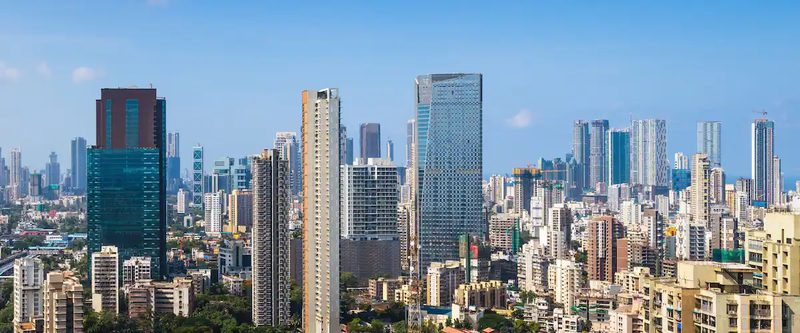
Officially, about 35 per cent of Indians live in urban areas. But drive through the countryside near any growing town and the official categories blur: dense settlements with urban jobs, urban densities and urban aspirations, classified as villages because they lack a municipal government. Researchers call this the hidden urbanisation: India may already be half-urban by functional measures, with a “hidden urban billion” living in settlements the census calls rural. This explainer looks at how census definitions work, what they miss, and why the undercount distorts policy.
How the census defines urban
The census recognises two kinds of urban areas: statutory towns, with a municipal corporation, municipality or cantonment board, and census towns, which meet three demographic criteria, population over 5,000, density over 400 per sq km, and 75 per cent of male workers in non-agricultural jobs, but have no urban local government. Outgrowths and urban agglomerations capture the sprawl around cities. The criteria are strict and the classification is sticky: a settlement that urbanises between censuses waits a decade for recognition. With the census delayed since 2011, the definitional lag has stretched to a decade and a half.
The explosion of census towns
The 2011 Census revealed a startling trend: the number of census towns had nearly tripled since 2001, to over 3,800. These were villages that had urbanised demographically but not administratively: dense, non-agricultural settlements still governed as gram panchayats. Researchers using satellite data, night lights and density measures found far more such settlements than the census recognised, suggesting India’s urban population was significantly larger than the official 37.7 crore. The census-town boom was concentrated in the most dynamic regions: the peripheries of metros, industrial corridors and the densely settled plains of the north and east.
Why the undercount matters
Classification decides governance and money. A census town governed as a village gets rural administration, rural building norms and rural service standards for an urban population: no proper drainage, no urban planning, no municipal services. Central and state urban schemes, from smart cities to AMRUT, flow to statutory towns, bypassing the hidden urban settlements. Researchers have shown that census towns systematically underperform on services precisely because of this mismatch. The undercount also distorts the national urbanisation narrative, feeding the myth of a still-overwhelmingly-rural India and misdirecting policy attention.
The politics of staying rural
Why don’t census towns become statutory towns? Often because powerful interests prefer the status quo: rural classification means lower taxes, looser building regulations and continued access to rural development funds, while local leaders fear losing power in a municipal transition. States have been slow to notify new urban local bodies, and the delayed census removed the statistical pressure to do so. The result is a perverse equilibrium: settlements that are functionally urban remain administratively rural because everyone with a voice in the decision benefits from the fiction.
Counting the real urban India
Fixing the undercount requires both statistical and administrative action: the next census must classify urban areas on current data, and states must create urban local bodies for settlements that qualify. Some researchers advocate functional definitions based on density and commuting patterns, like those used internationally, which would push India’s urban share far higher. The deeper reform is governance: India’s urban future will be decided less in its celebrated metros than in its thousands of small, unrecognised towns. Acknowledging them is the first step to governing them, and to building the urban India that already exists beyond the official statistics, with the services and governance its citizens have so long deserved.
FAQs
What is a census town? A settlement meeting urban demographic criteria (population, density, non-farm workforce) but lacking a municipal government, hence still administered as rural.
How urban is India really? Officially about 35 per cent; functional measures using density and satellite data suggest the true figure is far higher, possibly near half.
Why does classification matter? It determines governance, service standards and access to urban development funds; misclassified towns get rural administration for urban populations.
India’s hidden urban billion lives in towns the statistics call villages. Recognising them is not a technicality; it is the precondition for giving half the country’s urban citizens the governance they already need.
Compiled by the Khabar 24h Editorial Desk from publicly available sources.

Khabar 24h Editorial Desk — our explainers are prepared by the Khabar 24h editorial team using AI-assisted research tools, and every piece is reviewed by a human editor before publishing. We do not claim original reporting: our work is turning complex topics into simple, accurate summaries. Spotted an error? Write to contact@khabar24h.com — our corrections policy aims for same-day review.
More from this author →