Smart Cities Mission Explained: What 100 Cities Built, and What They Didn’t
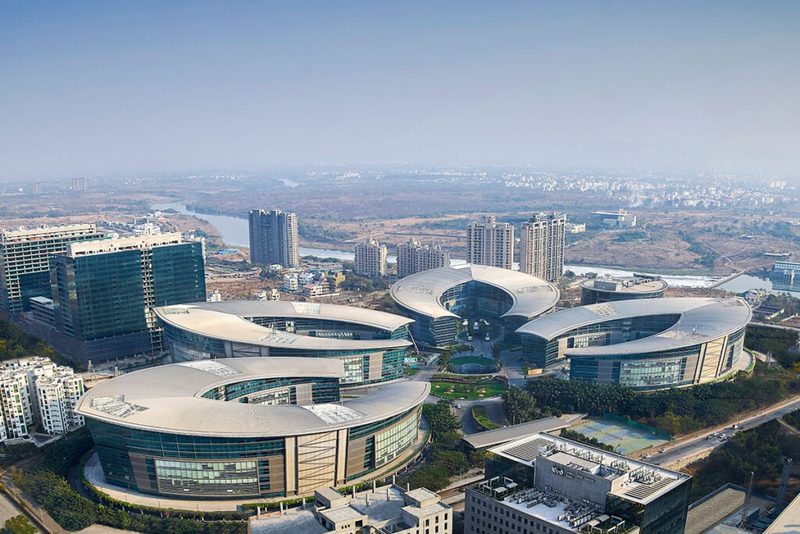
Launched in 2015, the Smart Cities Mission promised to transform 100 Indian cities through a combination of area-based development and pan-city technology solutions, with central funding of about 48,000 crore rupees matched by states and cities. A decade later, the mission has wound down, leaving behind integrated command centres, redeveloped public spaces, smart roads and a trail of controversy about what “smart” actually meant. Supporters point to transformed city centres and new urban infrastructure; critics argue the mission favoured elite enclaves and gadgets over the basic services most citizens need. This explainer takes stock of what 100 smart cities built, and what they didn’t.
How the mission worked
Cities were selected through a competitive challenge, submitting proposals that were scored on vision, planning and citizen engagement. Each city set up a Special Purpose Vehicle, a company jointly owned by the state and the urban local body, to implement projects with a CEO and functional autonomy. Funding flowed as central grants matched by states, with the SPVs expected to leverage additional money through PPPs and convergence with other schemes. The model deliberately bypassed municipal corporations, which were seen as too weak to execute, creating parallel implementation bodies instead. This design choice shaped everything that followed.
What got built
The mission’s most visible outputs are area-based: redeveloped downtown precincts with pedestrian plazas, cycle tracks, smart roads with utility ducts, waterfront promenades and public parks. Technology projects include Integrated Command and Control Centres in dozens of cities, intelligent traffic management, smart street lighting, public Wi-Fi and digital citizen-service platforms. Some cities delivered genuine transformations: Pune’s and Indore’s public spaces, Surat’s integrated systems, Bhubaneswar’s planning innovations. Thousands of projects were completed across the 100 cities, and the mission’s dashboards tracked them in real time, a transparency innovation in itself.
The command centre debate
The Integrated Command and Control Centres, with their video walls of CCTV feeds and sensor dashboards, became the mission’s signature image, and its most contested. During the pandemic, many ICCCs were repurposed as COVID war rooms, which supporters cite as vindication. Critics argue the centres are expensive surveillance infrastructure with unclear benefits for everyday urban problems, and that the “smart” label privileged technology vendors over citizens’ priorities. The truth is mixed: in cities where the centres integrated traffic, emergency response and civic grievances, they added value; where they were CCTV showpieces, they did not.
What the mission didn’t fix
The mission’s blind spots are well documented. By design, area-based development covered only small fractions of each city, creating islands of excellence amid unchanged sprawl. Basic services, water supply, sanitation, affordable housing, public transport, were largely outside the mission’s scope, left to other schemes. The SPV model weakened already-fragile municipal corporations by creating parallel power centres, and the mission’s end has raised questions about who maintains the assets. Smaller and poorer cities struggled to prepare winning proposals and to execute, so the mission’s benefits skewed toward cities that were already capable. “Smart,” critics concluded, was too often a substitute for “functional.”
The legacy
As the mission concludes, its legacy is being institutionalised: the SPVs’ assets transfer to municipalities, the command centres continue under state funding, and the urban development ministry is folding lessons into new schemes. The mission’s genuine achievements, competitive selection, professional project management, citizen engagement in planning, and the demonstration that Indian cities can deliver complex projects, are real. Its failures are equally instructive: technology cannot substitute for municipal capacity, enclaves cannot substitute for citywide services, and parallel bodies cannot substitute for empowered local government. The next generation of urban missions will be judged on whether it learned these lessons.
FAQs
What was the Smart Cities Mission? A 2015 central programme covering 100 cities with about Rs 48,000 crore in central funding for area-based development and smart technology solutions.
What is an ICCC? An Integrated Command and Control Centre: a city operations hub integrating CCTV, sensors, traffic and emergency response systems.
Has the mission ended? The mission period has concluded, with assets and ongoing projects transferred to states and urban local bodies.
The Smart Cities Mission proved Indian cities can build impressive things. Its unfinished business is proving they can run the unglamorous basics, water, sanitation, transport, for every citizen, not just the smart enclave.
Compiled by the Khabar 24h Editorial Desk from publicly available sources.

Khabar 24h Editorial Desk — our explainers are prepared by the Khabar 24h editorial team using AI-assisted research tools, and every piece is reviewed by a human editor before publishing. We do not claim original reporting: our work is turning complex topics into simple, accurate summaries. Spotted an error? Write to contact@khabar24h.com — our corrections policy aims for same-day review.
More from this author →