PM Gram Sadak Yojana: How All-Weather Roads Reached India’s Villages
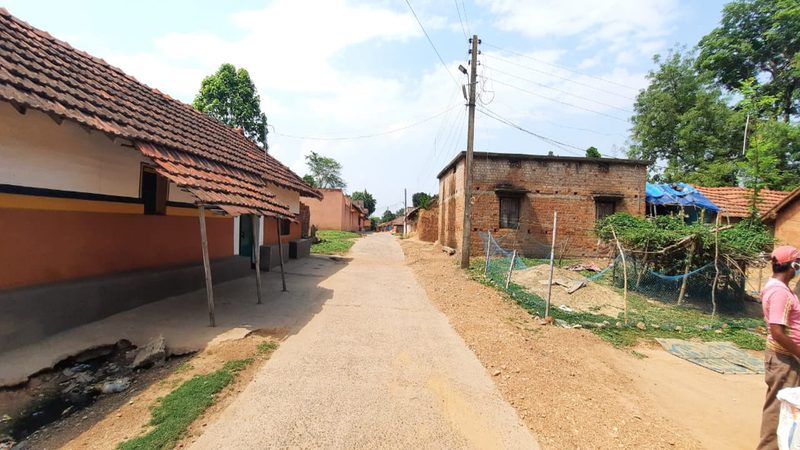
In 2000, a large share of India’s villages had no all-weather road connection; in the monsoon, they were cut off from markets, schools and hospitals. The Pradhan Mantri Gram Sadak Yojana, launched that year, set out to fix this with a simple, radical promise: every habitation above a threshold population would get an all-weather road. Two and a half decades later, the programme has connected over 1.7 lakh habitations and built more than 7 lakh kilometres of rural roads, making it one of the largest rural infrastructure programmes in history. This explainer looks at how PMGSY works, why it succeeded where earlier schemes stalled, and what a road means for a village.
How the programme is designed
PMGSY’s design broke from the past in three ways. First, it used habitation-level planning: surveys identified every unconnected habitation, and roads were prioritised by population, with special relaxations for tribal, desert and border areas. Second, it enforced engineering standards, with detailed project reports, quality monitoring through three tiers including independent national monitors, and online tracking of every road. Third, it built maintenance into the contract: contractors maintain the road for five years after construction, addressing the classic Indian failure of building roads and abandoning them. Central funding, shared with states, kept the money flowing regardless of state finances.
Why it worked
Rural roads had been built before, but they were typically thin, unengineered tracks that washed away each monsoon. PMGSY insisted on all-weather standards: proper drainage, cross-drainage structures, and pavements designed for the traffic they would carry. The online management system made every road, from sanction to completion, visible to the public, which curbed some of the leakage that plagued earlier schemes. Studies by economists found measurable effects: villages connected by PMGSY roads saw better access to markets and health facilities, higher agricultural incomes, and more children, especially girls, staying in school. Few government programmes have this quality of evidence behind them.
The phases: consolidation and upgradation
After the initial push connected the targeted habitations, PMGSY-II shifted to upgrading existing rural roads to higher standards and consolidating the network. PMGSY-III, launched in 2019, focused on through routes and major rural links connecting habitations to markets, schools and hospitals, using modern planning tools and green technologies. The programme also embraced new materials: waste plastic in bitumen, cold-mix technologies and geo-textiles, which cut costs and improved durability. Each phase reflected a maturing understanding that the goal was not just a road to every village, but a rural network that functions as a system.
What a road changes
The effects of a first all-weather road are vivid in village after village. Farmers who once sold to the single local trader at his price can now reach the mandi. Pregnant women can reach hospitals in emergencies. Teachers show up because they can commute. Buses and shared autos begin service, and with them come mobile towers, bank branches and e-commerce deliveries. Researchers have documented increases in consumption, diversification into non-farm work and even changes in marriage patterns as mobility expands. The road is the precondition for almost every other development intervention to reach the village.
The unfinished work
Challenges remain. Maintenance after the contractor’s five-year period is the perennial worry, with states responsible and often underfunded. In left-wing extremism affected areas and the Northeast, construction has been slower and costlier. Climate change is testing the “all-weather” promise, with extreme rainfall damaging roads designed for milder weather. And the last habitations, the smallest and most remote, are the hardest and most expensive to connect. But by any measure, PMGSY is among independent India’s most successful schemes: it took a problem that seemed permanent and, village by village, solved it.
FAQs
What is PMGSY? The Pradhan Mantri Gram Sadak Yojana, launched in 2000, builds all-weather roads to unconnected rural habitations across India.
How many villages has it connected? Over 1.7 lakh habitations, with more than 7 lakh km of rural roads built under the programme.
Who maintains PMGSY roads? The construction contractor maintains the road for five years; thereafter the state government is responsible.
A rural road rarely makes headlines, but few things change a village more. PMGSY’s quiet achievement is that for crores of Indians, the monsoon no longer means being cut off from the world.
Source: Press Information Bureau
Related stories
View all →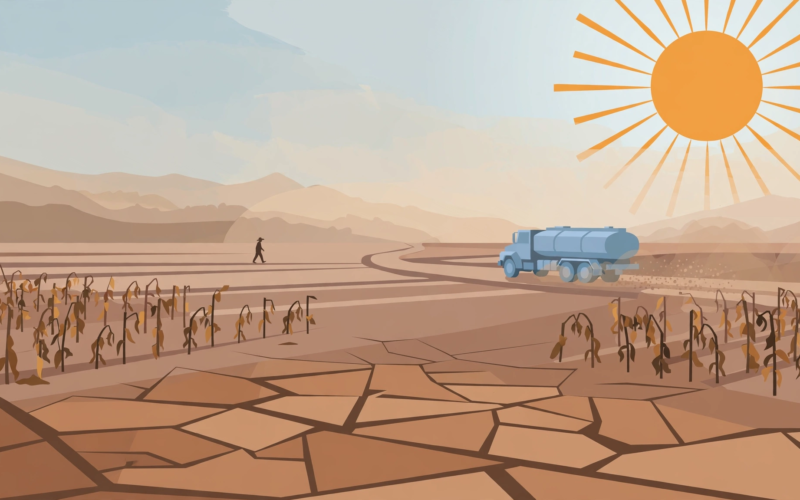
Maharashtra Declares Drought in 265 Talukas, Announces Relief
The Maharashtra government has declared drought in 265 of the state’s 358 talukas after deficient monsoon rainfall damaged Kharif crops this season.…
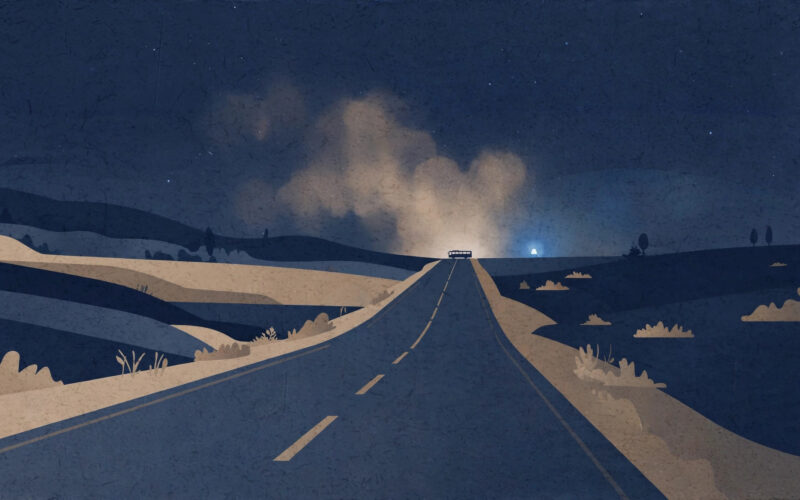
9 Killed as Sleeper Bus Catches Fire on Yamuna Expressway
Nine people were killed after a sleeper bus caught fire on the Yamuna Expressway near Greater Noida. CM Yogi Adityanath has taken…

Asian Games 2026: India’s Medal Tally After Day 6
India's campaign at the Asian Games 2026 crossed the Day 6 mark with medals flowing across disciplines. Here is where the tally…

Khabar 24h Editorial Desk — our explainers are prepared by the Khabar 24h editorial team using AI-assisted research tools, and every piece is reviewed by a human editor before publishing. We do not claim original reporting: our work is turning complex topics into simple, accurate summaries. Spotted an error? Write to contact@khabar24h.com — our corrections policy aims for same-day review.
More from this author →