Kidney Stones: Causes, Treatment Options and Diet Tips
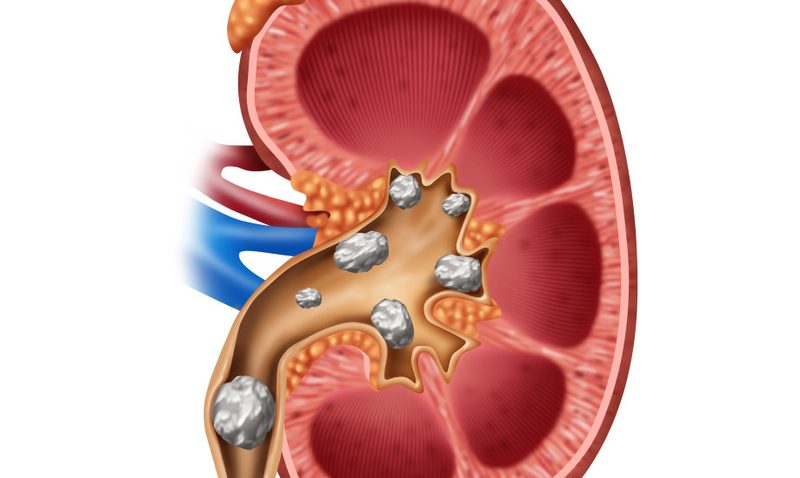
The pain is legendary: patients who have experienced both childbirth and a kidney stone have rated the stone worse. Renal colic, the wave of agony as a stone traverses the ureter, sends lakhs of Indians to emergency departments every year, and incidence is climbing, driven by hotter climates, dietary shifts and chronic low water intake. Yet kidney stone disease is among the most preventable and treatable conditions in urology. Understanding causes, modern treatments and the dietary habits that prevent recurrence can spare sufferers repeat encounters with the worst pain of their lives.
Why stones form
Kidney stones are crystallised minerals, most commonly calcium oxalate, that precipitate when urine becomes supersaturated. Dehydration is the dominant driver: low urine volume concentrates stone-forming salts. Dietary factors matter: high sodium increases urinary calcium; high animal protein raises uric acid and lowers urinary citrate, a natural stone inhibitor; excessive vitamin C supplements convert to oxalate. India’s specific risks include extreme heat with inadequate hydration among outdoor workers, high-oxalate diets in some regions, and rising obesity and diabetes, both stone risk factors. Genetic predisposition and anatomical factors complete the picture. Once a stone former, always at risk: recurrence rates reach 50 per cent within a decade without prevention.
Symptoms and diagnosis
The classic presentation is sudden, severe flank pain radiating to the groin, often with nausea, vomiting, blood in urine and urgency. Pain comes in waves as the ureter spasms around the stone. Not all stones announce themselves; some are found incidentally on scans, and small stones may pass silently. Diagnosis typically uses ultrasound as the first step in India, with non-contrast CT as the definitive test when needed, showing stone size, location and obstruction. Blood and urine tests assess kidney function and, after the episode, a stone analysis and 24-hour urine metabolic workup guide prevention in recurrent formers.
Treatment: from waiting to lasers
- Watchful waiting: stones under 5 mm pass spontaneously in most cases with hydration, movement and medical expulsive therapy using alpha-blockers.
- ESWL: shock-wave lithotripsy fragments stones non-invasively; best for smaller kidney stones, done as day care.
- Ureteroscopy with laser: a scope through the urinary tract fragments and removes stones; the workhorse for ureteric and many kidney stones.
- PCNL: percutaneous nephrolithotomy, keyhole surgery through the back, for large or complex stones.
- Open surgery: now rare, reserved for exceptional cases.
Most treatment in India is available at moderate cost in both public and private hospitals, and the shift to minimally invasive techniques means shorter stays and faster recovery than the open surgeries of the past.
The prevention diet
Prevention beats lithotripsy, and the prescription is refreshingly simple. Drink enough water to produce 2 to 2.5 litres of pale urine daily; in Indian summers this means far more intake than most manage. Reduce sodium, the single most effective dietary change for calcium stone formers. Maintain normal dietary calcium, restricting calcium paradoxically increases stone risk; take it with meals to bind oxalate in the gut. Limit high-oxalate foods, spinach, nuts, chocolate, only if you are a known oxalate stone former, not pre-emptively. Moderate animal protein, get citrate from lemons and oranges, and avoid vitamin C megadoses. For recurrent formers, thiazide diuretics, potassium citrate or allopurinol may be prescribed based on urine studies.
When it is an emergency
Seek urgent care for: fever with stone pain, suggesting infected obstructed kidney, a genuine emergency; unrelenting vomiting with inability to hydrate; a single kidney or known kidney disease with obstruction; or pain uncontrolled by medication. An obstructed, infected kidney can deteriorate in hours; this is the one stone scenario where delay threatens the organ.
FAQs
Does beer or cranberry juice dissolve stones? No. Beer increases urination without dissolving stones and adds calories; cranberry helps urinary infections, not stones. Water remains the evidence-based drink.
Can stones damage the kidney permanently? Yes, prolonged obstruction damages the kidney silently; stones with persistent blockage need timely treatment even if pain settles.
Are stones hereditary? Tendency runs in families; family members of stone formers should hydrate well and watch dietary risk factors.
Kidney stones are a disease of concentration, of urine made too concentrated by heat, habit and diet. The treatment is dilution, and the prevention is dilution sustained for life. In a warming country with a rising stone burden, the humble water bottle may be the most cost-effective urological intervention ever devised.
Compiled by the Khabar 24h Editorial Desk from publicly available sources.

Khabar 24h Editorial Desk — our explainers are prepared by the Khabar 24h editorial team using AI-assisted research tools, and every piece is reviewed by a human editor before publishing. We do not claim original reporting: our work is turning complex topics into simple, accurate summaries. Spotted an error? Write to contact@khabar24h.com — our corrections policy aims for same-day review.
More from this author →