MSG (Ajinomoto) in Chinese Food: What Science Says About Its Safety
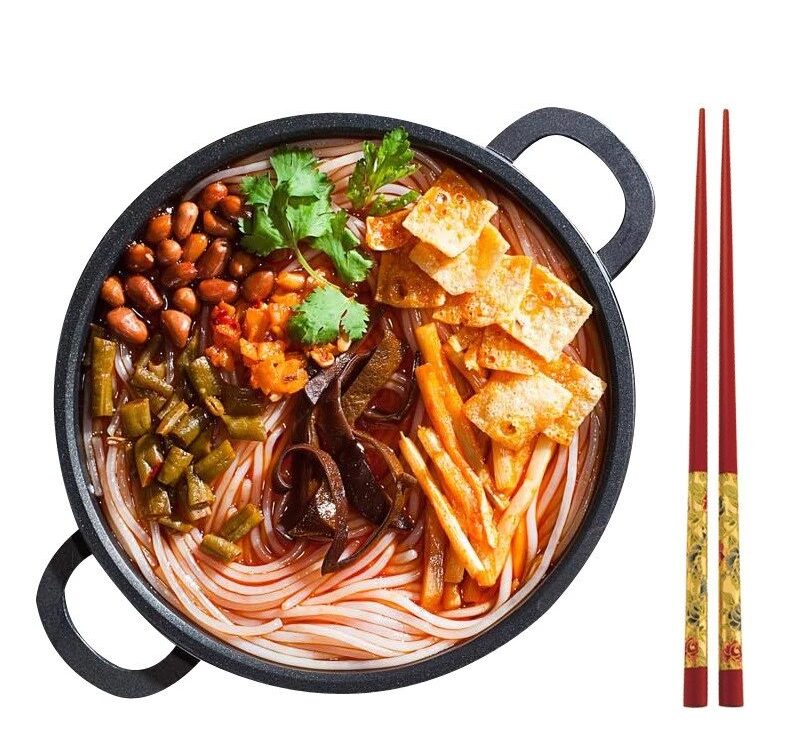
Ask for no ajinomoto in your noodles and every Indian understands: MSG, monosodium glutamate, is widely believed to cause headaches, flushing, palpitations and vague long-term harm. Chinese restaurants advertise no MSG added as a selling point, and food labels boast its absence. Yet MSG is also one of the most studied food additives in history, consumed in large quantities across East Asia for over a century. The gap between the reputation and the research is striking, and the story of how MSG became a villain is as instructive as the science itself.
What MSG is
MSG is the sodium salt of glutamic acid, an amino acid the human body produces and that occurs naturally in tomatoes, cheese, mushrooms, breast milk and, notably, in the protein-rich foods of every cuisine. It delivers umami, the savoury fifth taste, which is why it enhances flavour. The average person consumes substantial glutamate daily from ordinary food; added MSG contributes a fraction of total intake. Chemically, the glutamate in MSG is identical to the glutamate in a tomato. The body does not distinguish the source.
Where the fear came from
The MSG scare began with a 1968 letter to the New England Journal of Medicine describing numbness and palpitations after Chinese restaurant meals, dubbed Chinese Restaurant Syndrome. Media amplification did the rest, and the syndrome acquired an ethnic label that researchers now regard as xenophobic. Subsequent double-blind, placebo-controlled trials, the gold standard, repeatedly failed to reproduce consistent symptoms in people claiming MSG sensitivity, except at very high doses consumed without food, far beyond normal culinary use. Regulatory bodies worldwide, the US FDA, the European Food Safety Authority, India’s FSSAI, classify MSG as safe at normal consumption levels. The scientific consensus is unusually clear.
What the research actually shows
- Headaches and flushing: blinded trials find no consistent link at normal dietary doses; reported reactions track expectations more than MSG content.
- Long-term harm: large population studies in high-MSG-consuming Asian countries show no corresponding disease burden; toxicology reviews find no concerns at food-use levels.
- Obesity claims: some observational studies suggested associations, but confounding is severe, MSG marks flavourful, calorie-dense food, and controlled evidence does not support causation.
- Glutamate and the brain: dietary glutamate barely crosses the blood-brain barrier, and the brain tightly regulates its own glutamate; eating MSG does not flood the brain.
- Asthma: claims of MSG-triggered asthma attacks have not held up in controlled challenge studies.
Why the myth persists in India
Several forces sustain it. The no-MSG label became a marketing differentiator, and restaurants had no incentive to correct a belief that sold food. Street Chinese food, the main MSG exposure for most Indians, is also high in oil, salt and refined carbohydrates, so post-meal discomfort gets attributed to the famous additive rather than the meal. Confirmation bias does the rest: the headache after Manchurian is remembered, the hundred headache-free noodle meals forgotten. And once a food fear enters culture, it becomes self-perpetuating, passed from parent to child independent of evidence.
A balanced view
None of this means MSG is health food. It is a flavour enhancer often found in high-sodium processed foods, and the sensible critique of such foods concerns salt, fat and calories, not the glutamate. People who consistently feel unwell after MSG-containing meals should trust their experience and avoid it; individual sensitivity, nocebo-driven or not, deserves respect. But public policy and restaurant practice should follow evidence: MSG at normal culinary levels is safe, and the no-added-MSG badge is marketing, not medicine.
FAQs
Is ajinomoto banned anywhere? No country bans MSG as a food additive; it is approved worldwide with normal-use safety assessments.
Should pregnant women avoid MSG? No specific risk has been demonstrated; normal culinary use is considered safe, as with most foods in moderation.
Does MSG contain harmful chemicals? It is a single purified compound, not a chemical cocktail; the glutamate it provides is identical to that in everyday foods.
The MSG story is a case study in how food fears outlive their evidence: a letter, a catchy syndrome name, decades of headlines, and a scientific consensus that arrived too quietly to catch up. Enjoy your noodles on their merits, watch the salt and oil, and let the most studied seasoning in the food supply off the hook.
Compiled by the Khabar 24h Editorial Desk from publicly available sources.

Khabar 24h Editorial Desk — our explainers are prepared by the Khabar 24h editorial team using AI-assisted research tools, and every piece is reviewed by a human editor before publishing. We do not claim original reporting: our work is turning complex topics into simple, accurate summaries. Spotted an error? Write to contact@khabar24h.com — our corrections policy aims for same-day review.
More from this author →