Ayurvedic Diet vs Modern Nutrition: Doshas and the Evidence
Eat according to your dosha. Avoid incompatible food combinations. Favour warm, cooked foods. Ayurvedic dietary wisdom, refined over millennia, now meets modern nutrition science, with its calories, macros and randomised trials, and the encounter is fascinating. Some Ayurvedic principles align strikingly with current evidence; others rest on concepts science cannot verify; and a few popular claims, like the dangers of specific food combinations, lack support entirely. Mapping the overlaps and gaps helps Indians eat wisely without choosing between tradition and science.
Where ancient wisdom meets modern evidence
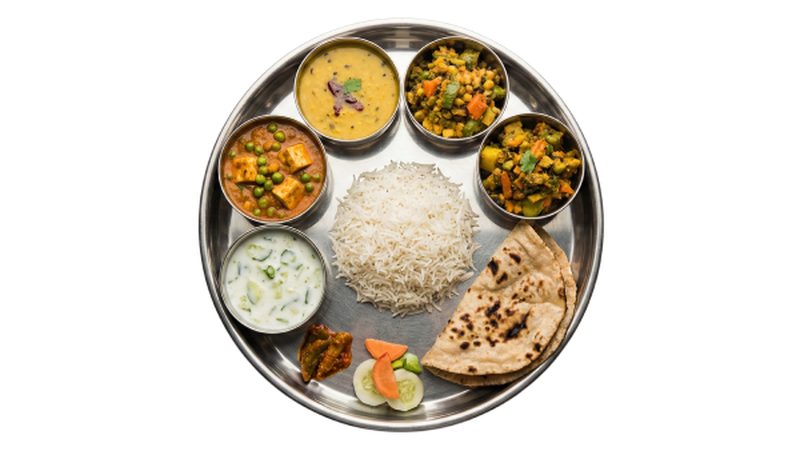
The convergences are impressive. Ayurveda’s emphasis on freshly cooked, minimally processed food mirrors modern nutrition’s central finding that ultra-processed foods drive obesity and disease. Its counsel to eat mindfully, in calm settings, without distraction, matches research on mindful eating and satiety. Eating the main meal at midday when digestive fire is strongest rhymes with chrononutrition findings that front-loading calories improves metabolic outcomes. The traditional Indian thali, varied, plant-forward, spiced, resembles the dietary patterns, Mediterranean and traditional Asian, most consistently linked to longevity. Spices like turmeric, cumin, ginger and fenugreek have genuine bioactive properties under active study. And Ayurveda’s individualisation, different constitutions need different diets, anticipates modern precision nutrition’s recognition that one-size-fits-all diet advice fails.
The dosha framework: useful metaphor, unproven biology
Vata, pitta and kapha constitutions organise Ayurvedic diet advice elegantly, but doshas do not correspond to measurable physiology, and no trial shows dosha-based diets outperform standard healthy eating. This does not make the framework useless; as a personalisation heuristic it may help people find sustainable patterns, much like other diet personalities. But claims that eating against your dosha causes specific diseases are untestable within the system and unsupported outside it. The honest position: dosha eating is a culturally resonant way to arrive at healthy habits, not a biological law.
Food combining rules: mostly myth
- Milk with fish or fruit: classically viruddha, incompatible; no physiological evidence of harm in healthy people, though individual intolerances exist.
- Honey heated: claimed to become toxic; no evidence; heated honey is simply honey.
- Curd at night: discouraged in tradition; no evidence of harm, though some with reflux or congestion prefer avoiding it.
- Eating fruit with meals: claimed to cause fermentation; digestion handles mixed meals routinely.
- The kernel of sense: some combinations genuinely matter, iron with vitamin C aids absorption, calcium with iron inhibits it, but these are biochemical specifics, not dosha incompatibilities.
Where Ayurvedic diet advice needs updating
Traditional diets evolved in an era of physical labour and food scarcity; applied uncritically today, they can mislead. Ghee, revered in Ayurveda, is still saturated fat, and liberal use in sedentary modern Indians worsens lipid profiles; tradition’s quantity assumptions do not survive the office chair. The classical diet’s adequacy for protein, B12 and vitamin D in strict vegetarians deserves modern supplementation thinking. Fasting prescriptions need medical individualisation for diabetics and the elderly. And the Ayurvedic suspicion of raw foods, while sensible for food safety in its era, discards the genuine benefits of salads and fruits modern nutrition endorses.
A synthesis that respects both
The practical synthesis is straightforward: keep Ayurveda’s pattern wisdom, fresh, varied, spiced, mindful, regular meals, and modern nutrition’s specifics, adequate protein, limited saturated fat and added sugar, plenty of fibre, calibrated portions. Use dosha ideas as personalisation prompts, not medical rules. Judge food-combining claims by evidence, keeping the few with biochemical basis. And let modern screening, blood sugar, lipids, deficiencies, arbitrate whether any traditional diet is working for your body.
FAQs
Should I eat according to my dosha? It is a reasonable framework for personalising healthy eating, but the health benefits come from the healthy eating, not the dosha classification.
Is ghee healthy or not? In small traditional quantities within an active lifestyle, fine; as a liberal modern fat source, it raises LDL cholesterol. Quantity and context decide.
Does Ayurveda support vegetarianism? Classical texts describe varied diets including meat; the vegetarian emphasis is partly cultural. Modern nutrition finds well-planned vegetarian diets healthy but needing attention to protein, B12 and iron.
The Ayurvedic kitchen and the nutrition laboratory turn out to be allies more often than adversaries, agreeing on whole foods, mindful meals and individuality while differing on mechanisms. Indians need not choose between grandmother’s wisdom and the dietitian’s chart; the wisest thali draws from both, keeping tradition’s patterns and science’s precision on the same plate.
Compiled by the Khabar 24h Editorial Desk from publicly available sources.

Khabar 24h Editorial Desk — our explainers are prepared by the Khabar 24h editorial team using AI-assisted research tools, and every piece is reviewed by a human editor before publishing. We do not claim original reporting: our work is turning complex topics into simple, accurate summaries. Spotted an error? Write to contact@khabar24h.com — our corrections policy aims for same-day review.
More from this author →