Triphala, Chyawanprash and Giloy: The Science Behind Popular Ayurvedic Remedies
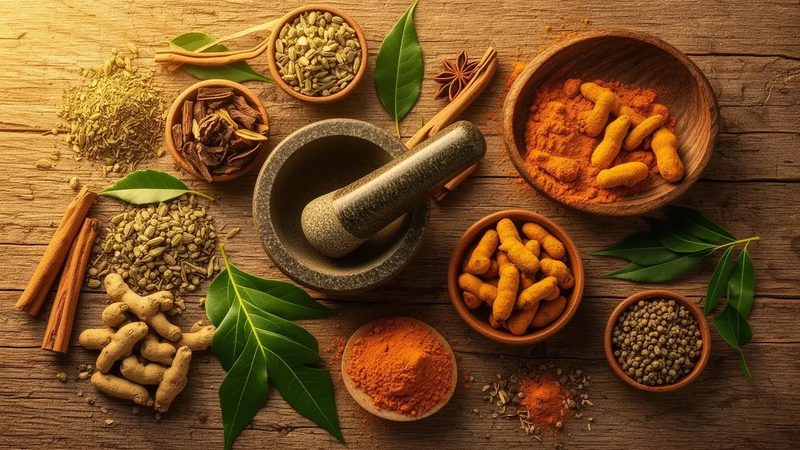
They sit in millions of Indian homes: the Triphala churna for digestion, the Chyawanprash jar for immunity, the Giloy tablets that became a pandemic-era sensation. These three are among Ayurveda’s most beloved formulations, used for centuries and now sold as modern wellness products. But tradition is not evidence, and the pandemic also brought reports of Giloy-associated liver injury that rattled public confidence. Examining each against the clinical research separates genuine utility from habit and hype.
Triphala: the gentle regulator
Triphala, the three fruits amalaki, bibhitaki and haritaki, is Ayurveda’s classic bowel regulator, and this is where its evidence is strongest. Randomised trials find it effective for functional constipation, improving stool frequency and consistency comparably to conventional laxatives in some studies, with a gentle action that suits long-term use better than stimulant laxatives. Small trials also suggest modest benefits for dental plaque and gingivitis when used as a mouth rinse, and early research hints at antioxidant and lipid-lowering effects, though these need larger confirmation. Safety is good at traditional doses; excessive use causes the diarrhoea and cramping any laxative overuse produces. For chronic constipation, it is a reasonable first option before stronger agents.
Chyawanprash: the immunity jam
Chyawanprash, the amalaki-based herbal jam, is marketed as an immunity booster, and here the evidence thins considerably. It is rich in vitamin C and antioxidants from its amla base, and small trials suggest possible benefits for respiratory symptoms and general well-being, but there are no robust trials showing it prevents infections or meaningfully boosts immune function in the way claimed. What it reliably provides is a palatable way to consume amla and a bundle of traditional herbs; what it also provides is a great deal of sugar, around 60 per cent by weight in many brands, a real concern for diabetics and weight-watchers that marketing glosses over. Sugar-free versions exist but are less studied. Verdict: a traditional tonic with plausible nutritional value and unproven immunity claims, best treated as a food rather than a medicine.
Giloy: the cautionary tale
Giloy, Tinospora cordifolia, soared during COVID-19 as an immunity booster, then stumbled when case series from Indian liver units linked prolonged Giloy consumption to herb-induced liver injury, including acute hepatitis requiring hospitalisation. The herb does have a real pharmacology: trials suggest immunomodulatory effects and possible benefit in allergic rhinitis, and it has traditional use in fevers. But the liver-injury reports, though debated in causality, were a watershed moment, demonstrating that concentrated herbal extracts taken for months are drugs with risks, not harmless tonics. Giloy should not be consumed indefinitely or casually; anyone with liver disease should avoid it, and new jaundice, fatigue or dark urine during use warrants immediate medical review and stopping the herb.
Reading the evidence honestly
- Triphala: good evidence for constipation; preliminary for other claims; safe at recommended doses.
- Chyawanprash: nutritious traditional food; immunity claims unproven; watch the sugar.
- Giloy: real bioactivity with real risks; avoid prolonged unsupervised use; liver caution.
- General rule: the longer and more concentrated the use, the more a herbal product should be treated as a medicine with side effects.
- Quality matters: buy licensed, tested brands; contamination and adulteration remain industry problems.
The bigger lesson
The Giloy episode taught Indian consumers something valuable: the naturalistic fallacy, that natural means safe, collapses on contact with pharmacology. Herbs contain active molecules; active molecules have dose-response curves and toxicities. This does not invalidate Ayurveda; it matures it. The formulations that survive rigorous testing, like Triphala for constipation, emerge stronger, while vague immunity claims face deserved scepticism. Consumers should demand the same of herbal products as of pharmaceuticals: evidence of benefit, knowledge of risks, and honest labelling.
FAQs
Can diabetics take Chyawanprash? Regular versions are very sugary; sugar-free versions exist but discuss with your doctor, and monitor blood sugar.
How long can I safely take Triphala? At standard doses it is considered safe for extended use, but chronic constipation deserves medical evaluation for underlying causes.
Should I stop Giloy if my liver tests are normal? Normal tests are reassuring, but avoid indefinite use; take breaks, use the lowest effective dose, and stop with any liver symptoms.
Triphala, Chyawanprash and Giloy embody Ayurveda’s range: a genuinely useful remedy, a beloved tonic of unproven claims, and a potent herb that demanded respect the hard way. Tradition deserves respect, but respect includes scrutiny. The formulations that pass it earn a permanent place in the medicine cabinet; those that do not remain what they always were, comforting habits rather than proven cures.
Compiled by the Khabar 24h Editorial Desk from publicly available sources.

Khabar 24h Editorial Desk — our explainers are prepared by the Khabar 24h editorial team using AI-assisted research tools, and every piece is reviewed by a human editor before publishing. We do not claim original reporting: our work is turning complex topics into simple, accurate summaries. Spotted an error? Write to contact@khabar24h.com — our corrections policy aims for same-day review.
More from this author →