COVID-19 Boosters in 2026: Current Guidelines and Who Is Eligible
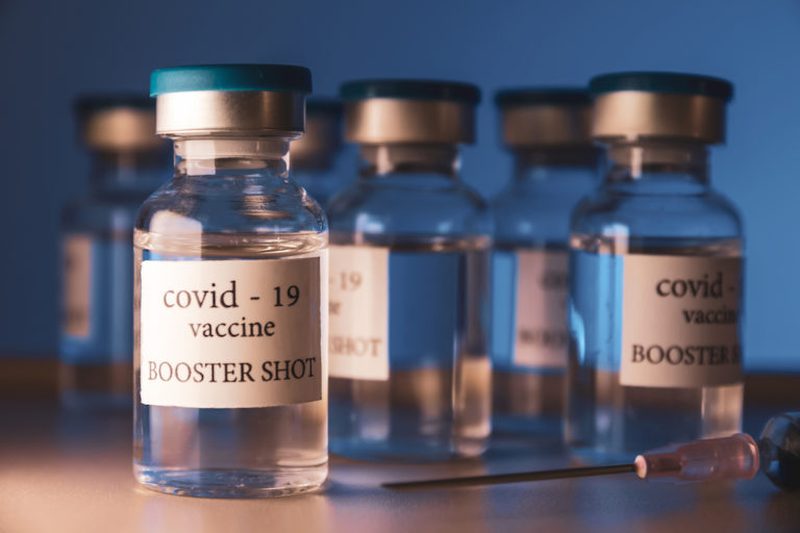
Five years after the pandemic’s peak, COVID-19 has settled into an endemic rhythm in India: periodic waves, milder on average thanks to widespread immunity, but still hospitalising the elderly and the immunocompromised with each surge. The question of boosters, who needs them in 2026, which vaccines are available, and whether the general population should bother, now sits in that confusing space between pandemic memory and routine preventive care. Current guidelines have converged on a targeted strategy: boosters for the vulnerable, optional for others, with updated formulations tracking circulating variants.
Where COVID stands in 2026
Population immunity in India is high, built from a combination of infection and the massive vaccination campaign that delivered over 200 crore doses. Severe disease is now concentrated in older adults, the immunocompromised, and those with significant chronic illness, while healthy younger people typically experience mild illness. Variants continue to evolve, mostly within the Omicron family, with periodic sub-variants driving waves. The public health goal has shifted accordingly: not preventing all infection, which updated vaccines do imperfectly and briefly, but preventing severe disease in those at risk, where vaccines remain highly effective.
Who should get a booster now
- Adults over 60 to 65: the clearest recommendation; immune response wanes faster with age and severe-disease risk is highest.
- Immunocompromised individuals: transplant recipients, those on immunosuppressive therapy, advanced HIV, where additional doses are medically important.
- People with significant chronic illness: heart, lung, kidney disease, diabetes with complications.
- Healthcare and frontline workers with high exposure, per institutional policies.
- Healthy younger adults: not routinely recommended in most current guidelines; previous vaccination plus infection provides durable protection against severe disease.
Pregnant women and the parents of young children should follow their doctor’s advice based on individual risk, as recommendations continue to evolve.
Which vaccines are available in India
India’s booster landscape includes Covishield, Covaxin and later entrants such as Corbevax and the mRNA vaccine GEMCOVAC-19, with availability varying by region and sector. Updated formulations targeting recent variants have been introduced as manufacturers revised their products. Heterologous boosting, a different vaccine from the primary series, showed good immune responses in Indian studies. Practical availability in 2026 is patchier than during the campaign years; private hospitals in metros are the most reliable source, and checking current stock before visiting saves a wasted trip. Government guidance should be checked for the latest eligibility, as recommendations are reviewed periodically.
How often, and how effective
For those eligible, an annual booster ahead of the expected winter wave is the emerging pattern, analogous to flu vaccination. Effectiveness against infection wanes over months, but protection against hospitalisation and death holds up far better and longer, which is the outcome that matters. Side effects mirror the primary series: sore arm, fatigue, low fever for a day or two; serious adverse events remain rare. The myocarditis signal seen with mRNA vaccines in young males was not a significant issue with the vaccines most used in India, and overall safety monitoring across billions of doses is reassuring.
Common questions and confusions
Natural infection does boost immunity, but relying on it means accepting the disease’s risks, a poor trade for the vulnerable. There is no evidence that repeated boosters damage the immune system, a persistent myth; immune responses to updated boosters remain robust. People who missed earlier boosters are not starting from zero; existing immunity provides a base, and one updated dose brings it current. And the familiar pandemic-era confusion between preventing infection and preventing severe disease still drives much hesitation: boosters in 2026 are about the latter.
FAQs
Do I need a booster if I had COVID recently? Recent infection provides temporary protection; guidelines generally suggest waiting a few months after infection before boosting, and for healthy young people it may not be needed at all.
Can I get flu and COVID shots together? Yes. Co-administration is considered safe and is increasingly offered as a combined seasonal visit for the elderly.
Are boosters free in government centres? Policies have varied; in 2026, private-sector paid vaccination is the most consistent route, with government programmes focusing on high-risk groups. Check current local guidance.
The COVID vaccine story in India is, by global standards, a triumph, and the booster chapter is its quieter sequel. The strategy now is precision rather than mass mobilisation: protect those whom the virus still threatens, with updated vaccines, at sensible intervals. For everyone else, the immunity already earned, through vaccines and infections survived, is doing its job.
Compiled by the Khabar 24h Editorial Desk from publicly available sources.

Khabar 24h Editorial Desk — our explainers are prepared by the Khabar 24h editorial team using AI-assisted research tools, and every piece is reviewed by a human editor before publishing. We do not claim original reporting: our work is turning complex topics into simple, accurate summaries. Spotted an error? Write to contact@khabar24h.com — our corrections policy aims for same-day review.
More from this author →