Home Health Devices: Choosing and Using BP Monitors and Glucometers
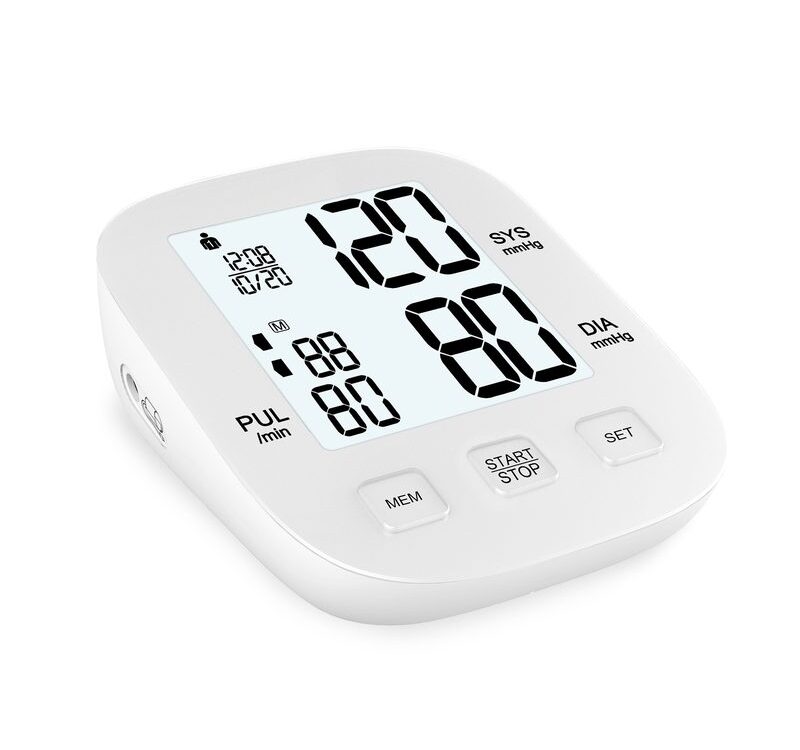
The pandemic put a blood pressure monitor or glucometer into millions of Indian homes, and they never left. Home monitoring, done right, is genuinely valuable: it reveals white-coat hypertension, tracks treatment response, and catches trends between clinic visits. Done wrong, it produces anxiety, wrong doses and endless arguments with doctors over single readings. The difference lies in three things: buying a validated device, using correct technique, and interpreting numbers as trends rather than verdicts. This guide covers all three.
Choosing a BP monitor
Buy an automated upper-arm oscillometric monitor, not a wrist device, which is less reliable, and not a manual mercury or aneroid device unless you are trained. Look for validation: listings by STRIDE BP or the British and Irish Hypertension Society indicate independent accuracy testing. The cuff is the commonest source of error: measure your mid-arm circumference and buy the matching cuff size; a too-small cuff on a large arm reads falsely high, a classic Indian household error when one cuff serves the whole family. Reputable brands, Omron, Dr Morepen, Rossmax and similar, with validated models, are widely available for 2,000 to 5,000 rupees. Check calibration every couple of years by comparing with a clinic reading.
Measuring blood pressure correctly
- No caffeine, exercise, smoking or full bladder for 30 minutes before; rest seated for 5 minutes.
- Sit with back supported, feet flat, arm supported at heart level on a table.
- Place the cuff on bare skin, lower edge 2 to 3 cm above the elbow crease, snug but not tight.
- Do not talk during measurement; take two readings a minute apart and average them.
- Measure at consistent times, morning before medicines and evening, for a week when assessing control; occasional single readings mean little.
- Measure both arms initially; a consistent large difference deserves medical review.
Home readings average lower than clinic readings, which is normal; hypertension thresholds for home averages are slightly lower than clinic ones, a detail your doctor applies.
Choosing and using a glucometer
Modern glucometers are accurate enough for management decisions when used properly, typically within 15 per cent of lab values. Strip cost matters more than device cost in India: a cheap meter with expensive strips becomes the costly option within months, so compare per-strip prices, usually 15 to 30 rupees. Technique determines accuracy: wash and dry hands, warm if cold; use the side of the fingertip, not the pad; let a full drop form rather than squeezing, which dilutes blood with tissue fluid; apply to the strip correctly; and check strip expiry and storage, heat and humidity degrade them. Control solution checks, offered by most brands, verify the system when readings seem off.
What the numbers mean
For blood pressure, home averages consistently above 135/85 suggest hypertension needing medical review; occasional spikes with stress, exertion or poor technique do not. For diabetes, fasting readings and 2-hour post-meal readings tracked over weeks guide treatment far better than random checks; HbA1c every 3 to 6 months remains the master measure of control. Log readings with date, time and context, medicine taken, symptoms, in a notebook or app; doctors make far better decisions from a two-week log than from a remembered single value. Never adjust medication doses on one surprising reading; repeat it properly first.
Common mistakes Indian households make
Sharing one cuff across very different arm sizes; measuring immediately after climbing stairs or drinking chai; taking readings during an argument and then panicking; testing blood sugar only when feeling unwell, which biases the picture; hoarding expired strips bought in bulk; and the biggest one, treating the device as a doctor, changing doses without consultation. Home monitoring informs medical decisions; it does not replace them.
FAQs
Why do my home readings differ from the clinic’s? Clinic readings run higher due to the white-coat effect and imperfect rest; consistent home averages are actually the better guide to true control.
How often should I check? For stable hypertension or diabetes, a focused week of twice-daily readings every few months, plus the schedule your doctor sets, beats daily obsessive checking.
Are smartwatch BP and sugar readings reliable? Not yet. No mainstream smartwatch offers medically validated cuffless blood pressure or non-invasive glucose; treat such features as experimental.
Home devices democratised monitoring, and that is progress. The next step is democratising technique: the right cuff, the quiet five minutes, the clean fingertip, the honest log. Get those right and the little machines on the bedroom shelf become what they were meant to be, early warning systems that keep small problems small.
Compiled by the Khabar 24h Editorial Desk from publicly available sources.

Khabar 24h Editorial Desk — our explainers are prepared by the Khabar 24h editorial team using AI-assisted research tools, and every piece is reviewed by a human editor before publishing. We do not claim original reporting: our work is turning complex topics into simple, accurate summaries. Spotted an error? Write to contact@khabar24h.com — our corrections policy aims for same-day review.
More from this author →