Blood Test Reports Explained: CBC, Liver and Kidney Function Basics
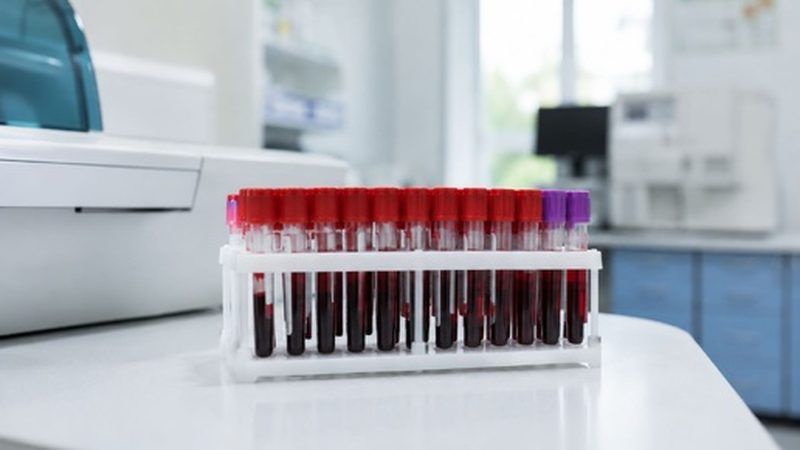
The lab report arrives by WhatsApp PDF, dense with abbreviations, arrows and red bold values, and the patient does what millions do: panics at every flagged number and Googles each one into deeper alarm. Blood test reports are among the most viewed and least understood documents in Indian healthcare. Yet the common panels, complete blood count, liver function and kidney function tests, follow a logic that any patient can grasp. This guide decodes them in plain language: what each parameter measures, what moves it, and, crucially, when a flagged value actually matters.
Complete blood count: the body’s census
The CBC counts and characterises blood cells. Haemoglobin carries oxygen; low values define anaemia, India’s commonest blood abnormality, usually from iron deficiency in women and children. The total white cell count reflects immune activity: high in infections and inflammation, low in some viral illnesses and bone-marrow problems. Platelets govern clotting; low platelets appear in dengue and some autoimmune conditions, high platelets in inflammation. The red cell indices, MCV, MCH and MCHC, describe cell size and haemoglobin content, helping distinguish iron deficiency, small pale cells, from B12 or folate deficiency, large cells. A single mildly abnormal value in an otherwise well person rarely means disease; trends over time matter more than snapshots.
Liver function tests: not all about the liver
Despite the name, LFTs measure several things. Bilirubin, high in jaundice, rises when red cells break down excessively or bile flow is blocked. ALT and AST are enzymes released when liver cells are injured; ALT is more liver-specific, and both rise in fatty liver, alcohol use, viral hepatitis and medication effects. Alkaline phosphatase and GGT point toward bile-duct or bone issues when elevated. Albumin and the INR reflect the liver’s synthetic function, its ability to make proteins and clotting factors, and these matter most in chronic liver disease. Mild ALT elevations are extremely common in India, most often from non-alcoholic fatty liver, and usually call for lifestyle change and rechecking, not alarm.
Kidney function tests: filtration report card
Creatinine is the headline parameter: a waste product filtered by the kidneys, rising as kidney function falls. But creatinine depends on muscle mass, so a muscular young man and a frail elderly woman with the same value have very different kidney function; laboratories now report eGFR, estimated glomerular filtration rate, which adjusts for this and is the better measure. Urea rises with kidney dysfunction but also with dehydration, high-protein meals and bleeding. Electrolytes, sodium and potassium, are included because failing kidneys disturb them dangerously. A single high creatinine after dehydration or intense exercise often normalises on repeat testing with proper hydration.
Reading a report like a clinician
- Check the reference range and units first; ranges differ between labs, and Indian labs may use different units than American websites.
- Note how far out of range a value is; borderline flags, a haemoglobin of 11.8 against a 12.0 cutoff, are usually clinically meaningless.
- Look at patterns, not single values: low haemoglobin plus small red cells points to iron deficiency far more convincingly than either alone.
- Consider context: recent illness, medicines, fasting state, dehydration and even the time of day shift values.
- Compare with previous reports; a stable mild abnormality over years is reassuring, a new sharp change deserves attention.
When to worry, and when not to
Worry, meaning prompt medical review, when multiple related parameters are abnormal together, when values are markedly out of range, when abnormalities are new and worsening, or when symptoms accompany them: fatigue with anaemia, jaundice with liver abnormalities, swelling with kidney dysfunction. Do not worry excessively about isolated borderline flags in a well person; laboratories set ranges to flag the outer 5 per cent of healthy people by design. And never start or stop medication based on a report alone; interpretation belongs with the clinical picture.
FAQs
Should I fast before these tests? Fasting of 8 to 12 hours is standard for lipid profiles and glucose; CBC and kidney tests are less affected, but follow your lab’s instructions for consistency.
Why do my reports differ between labs? Different analysers, reagents and reference populations. Stick to one reputable lab for trend monitoring.
Can I get these tests done without a doctor’s order? Yes, in India, but self-ordered testing without a plan for abnormal results creates anxiety without benefit. Discuss with your doctor first.
Blood reports are instruments, not verdicts. Learn their language and they become what they should be: a useful, undramatic window into the body’s workings, most valuable when read with context, tracked over time, and interpreted by someone who knows the patient behind the numbers.
Compiled by the Khabar 24h Editorial Desk from publicly available sources.
Related stories
View all →
Single-Dose In Vivo CAR-T Shows 90% Response in Myeloma Trial
An experimental cancer therapy that turns a patient’s own cells into treatment inside the body has shown a 90% response rate in…

Punjab Drug Crisis Takes Centre Stage Ahead of 2027 Polls
Punjab's drug crisis dominates debate ahead of the 2027 polls, with the BJP, SAD, AAP and Congress all making it a key…
West Bengal Orders FIRs Over Missing Covid Equipment
West Bengal has ordered FIRs after medical equipment bought during the Covid-19 pandemic was found missing at 64 health centres across the…

Khabar 24h Editorial Desk — our explainers are prepared by the Khabar 24h editorial team using AI-assisted research tools, and every piece is reviewed by a human editor before publishing. We do not claim original reporting: our work is turning complex topics into simple, accurate summaries. Spotted an error? Write to contact@khabar24h.com — our corrections policy aims for same-day review.
More from this author →