Melatonin and Sleep Supplements: What Works and What Is Hype
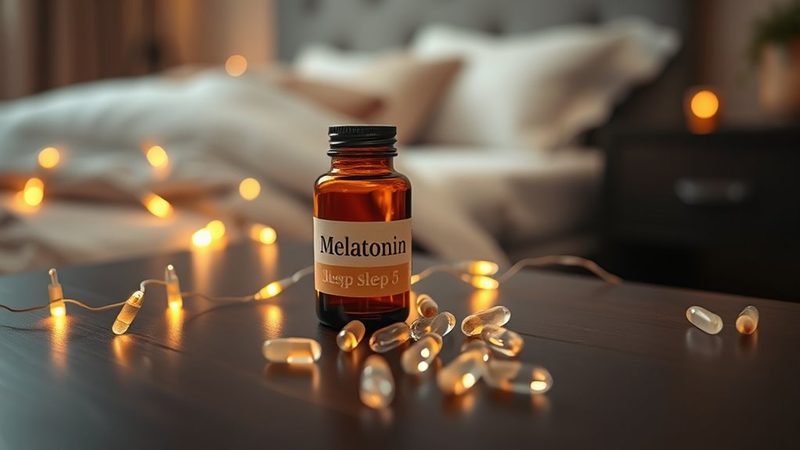
Walk into any pharmacy in an Indian metro today and you will find a shelf that did not exist a decade ago: melatonin gummies, sleep sprays, herbal sleep teas and magnesium capsules, all promising the elusive good night. The global sleep-aid market has exploded, and India is following the trend, with melatonin products moving from prescription counters to over-the-counter wellness shelves. The marketing is confident. The science, as usual, is more qualified. Clinical trials do support some sleep supplements in specific situations, while others rest on tradition, hope and remarkably thin evidence.
Melatonin: what it is and what it is not
Melatonin is a hormone your own brain makes every evening in response to darkness, signalling to the body that night has arrived. It is a timing signal, not a sedative. That distinction is the key to understanding the evidence. In clinical trials, melatonin produces a modest improvement in how quickly people fall asleep, typically reducing sleep latency by around 7 to 12 minutes, and a small increase in total sleep time. Where it genuinely shines is in circadian problems: jet lag, delayed sleep phase in teenagers who cannot fall asleep before 2 am, and shift-work sleep disorder. For garden-variety insomnia, the effect is real but modest, and guidelines position it as an option rather than a first-line treatment. Typical studied doses are 0.5 to 5 mg; higher doses are not more effective and increase morning grogginess and vivid dreams.
The quality problem with melatonin products
Independent analyses in several countries have repeatedly found that the melatonin content of commercial products often differs wildly from the label, sometimes containing far less, sometimes several times more. In India, where melatonin sits in a regulatory grey zone between medicine and supplement, quality control is even less certain. Products may also contain undeclared ingredients. The practical advice: buy from established manufacturers, start with the lowest dose, take it 30 to 60 minutes before the desired bedtime rather than at midnight, and combine it with dimming the lights, since bright light blunts both natural and supplemental melatonin.
Magnesium, the popular mineral
Magnesium glycinate and citrate are marketed heavily for sleep, and magnesium does play a role in neuromuscular relaxation. But the clinical evidence is thin: a few small trials suggest mild benefit, mostly in older adults who may be marginally deficient. For a well-nourished person with normal magnesium levels, extra magnesium is unlikely to transform sleep. It is relatively safe at moderate doses, though it can cause loose motions. Food sources, nuts, seeds, whole grains and leafy greens, remain the sensible first step.
What about ashwagandha, valerian and chamomile?
Ashwagandha has some of the more interesting recent data: randomised trials in India and elsewhere have shown modest improvements in sleep quality scores and reductions in sleep-onset time, consistent with its stress-reducing effects. The evidence base is still small and short-term, but it is more promising than most herbal competitors. Valerian root has been studied for decades with mixed, mostly underwhelming results; any benefit appears mild and takes weeks to appear. Chamomile tea is a pleasant bedtime ritual, but its pharmacological effect on sleep is minimal; the ritual itself, warm drink, dim lights, winding down, probably does most of the work. L-theanine, the amino acid in tea, shows mild calming effects in some trials but is not a proven insomnia treatment.
What the guidelines actually recommend
Every major sleep medicine guideline puts cognitive behavioural therapy for insomnia, CBT-I, ahead of any supplement or pill. CBT-I restructures the habits and thoughts that perpetuate insomnia and has larger, longer-lasting effects than medication. Supplements have a supporting role at best. And one category deserves a firm warning: antihistamine-based over-the-counter sleep aids and self-medicated sedatives carry next-day drowsiness, tolerance and, in older adults, real risks of confusion and falls. Anything that knocks you out is not the same as something that restores sleep architecture.
FAQs
Is melatonin habit-forming? No. It does not produce dependence or withdrawal, which is one of its genuine advantages over prescription sedatives. But long-term nightly use for simple insomnia is not well studied.
Can children take melatonin? Paediatric use should be guided by a doctor. It is sometimes used for children with neurodevelopmental conditions under medical supervision, but casual use in healthy children is not recommended.
Do melatonin gummies work faster than tablets? No meaningful difference. Marketing aside, absorption differences between gummies, sprays and tablets are minor compared with the bigger variables of dose and timing.
Sleep supplements are not a scam, but they are not the revolution their packaging implies either. Melatonin is a useful circadian tool with modest effects on ordinary insomnia, ashwagandha shows early promise, magnesium is mostly relevant if you are deficient, and the rest is largely ritual in a bottle. The unglamorous truth remains: consistent timing, morning light, daytime activity and a genuinely dark, quiet bedroom outperform every gummy on the shelf.
Source: Mayo Clinic

Khabar 24h Editorial Desk — our explainers are prepared by the Khabar 24h editorial team using AI-assisted research tools, and every piece is reviewed by a human editor before publishing. We do not claim original reporting: our work is turning complex topics into simple, accurate summaries. Spotted an error? Write to contact@khabar24h.com — our corrections policy aims for same-day review.
More from this author →