Loneliness in Older Adults: Health Effects and What Actually Helps
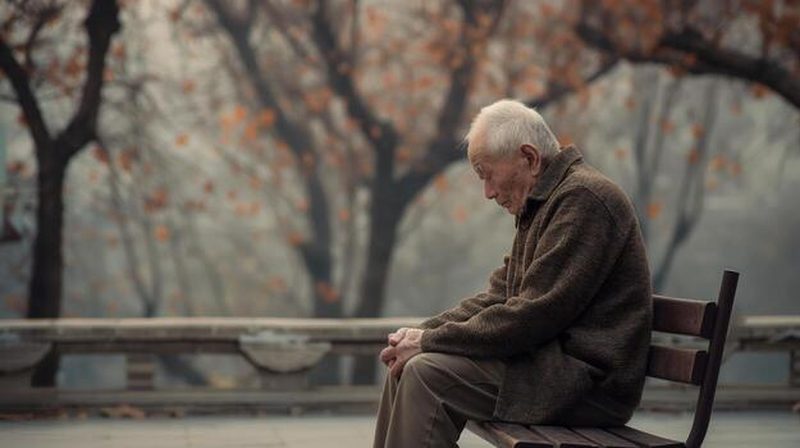
There is an epidemic among India’s elderly that no test detects: loneliness. As joint families give way to nuclear ones, as children migrate for work and spouses pass on, millions of older Indians spend their days in quiet isolation. Research now shows this is not merely sad but medically dangerous: chronic loneliness raises the risk of heart disease, stroke, dementia, depression and premature death to degrees comparable with smoking or obesity. The World Health Organization treats social connection as a health determinant, and geriatricians increasingly screen for it like blood pressure. Understanding its health effects and what genuinely helps is becoming essential family knowledge.
How loneliness damages health
The mechanisms are both behavioural and biological. Lonely elders exercise less, eat worse, sleep poorly, drink more and skip medicines, partly from low motivation and partly from lack of anyone noticing. Biologically, perceived isolation triggers chronic stress responses: elevated cortisol, systemic inflammation and impaired immunity, accelerating cardiovascular disease and cognitive decline. Studies link loneliness to roughly 30 per cent higher risk of heart disease and stroke, significantly higher dementia risk, and markedly increased depression. It also worsens outcomes after illness: lonely patients recover slower and are rehospitalised more. Perhaps starkest is mortality: persistent loneliness predicts earlier death independent of other risk factors. The body, it turns out, needs people the way it needs nutrients.
Why it is growing in India
India’s social transformation concentrates the risk. Urbanisation and job migration scatter families across cities and continents; the ancestral home increasingly houses only the elderly. Widowhood hits hard, especially women who outlive husbands and face restricted social roles. Retirement strips daily structure and collegial contact. Hearing loss and poor mobility shrink the world to one room. Digital divides leave many elders unable to bridge distance with video calls. Cultural stigma around expressing emotional need, particularly among men, keeps suffering silent. Even in joint families, elders can be lonely: physical proximity without emotional engagement, being cared for but not conversed with, is its own isolation. The demographic maths, more elders living longer with fewer co-resident kin, guarantees growth.
What actually helps: evidence-based approaches
Not all interventions work; the evidence favours certain kinds.
- Regular meaningful contact: scheduled calls and visits beat sporadic ones; quality of interaction matters more than frequency.
- Group activities: senior citizen associations, bhajan mandalis, walking groups and hobby clubs provide peer belonging.
- Purpose and volunteering: mentoring, community service and grandchild care give role and routine.
- Physical activity groups: yoga classes and walking groups combine movement with socialising.
- Addressing barriers: hearing aids, cataract surgery and mobility aids reopen the social world.
- Intergenerational contact: structured time with grandchildren or young volunteers benefits both sides.
- Professional help: counselling for depression, which both causes and results from loneliness.
Merely placing elders in crowded day-care without meaningful engagement helps little; belonging, not bodies, is the active ingredient.
What families can do
Families are the first line. Call on a schedule the elder can count on, and make video calls routine, teaching the technology patiently. Include elders in decisions and conversations, not just care routines. Plan visits home as non-negotiable fixtures, not residual time. Notice the signs: withdrawal, loss of appetite, neglected self-care, excessive sleep or television, and persistent sadness. For migrant children, hiring companionship help or enrolling parents in local senior groups is practical love. Discuss living arrangements honestly before crisis: proximity to family, senior communities or co-housing each suit different elders. And listen: often the loneliest elders do not need solutions first but sustained, unhurried attention.
FAQs
Is loneliness the same as depression? Related but distinct: loneliness is the painful sense of lacking connection, depression a clinical mood disorder; each can cause the other, and both deserve attention.
Can pets help? Yes, modestly. Pets provide routine, touch and companionship, though they complement rather than replace human connection.
Do senior living communities help? Well-run ones with active social programming do; isolated, poorly managed ones can worsen the problem.
Loneliness in old age is a health emergency hiding as a social one. Its remedies are gloriously low-tech: regular calls, shared meals, walking companions, purposeful days and somebody who listens. In a culture that reveres its elders, ensuring none of them ages alone is both tradition’s demand and medicine’s prescription.
Compiled by the Khabar 24h Editorial Desk from publicly available sources.

Khabar 24h Editorial Desk — our explainers are prepared by the Khabar 24h editorial team using AI-assisted research tools, and every piece is reviewed by a human editor before publishing. We do not claim original reporting: our work is turning complex topics into simple, accurate summaries. Spotted an error? Write to contact@khabar24h.com — our corrections policy aims for same-day review.
More from this author →