Male Pattern Baldness: Hair Transplants, Finasteride, PRP — What Actually Works
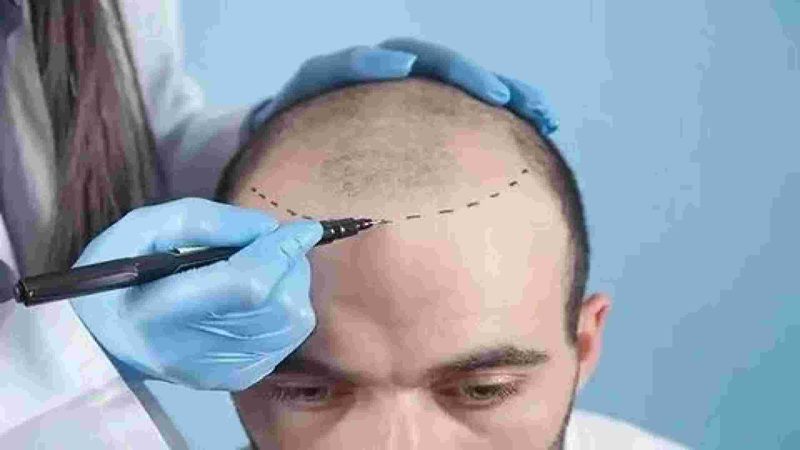
Few things dent a young man’s confidence like watching his hairline retreat in his twenties. Male pattern baldness, or androgenetic alopecia, affects the majority of men by middle age and starts early in many Indians, driven by genetics and the hormone DHT. The market smells vulnerability: oils promising regrowth, shampoos with miraculous claims, and clinics selling hope by the graft. Beneath the noise, only a handful of treatments have genuine evidence, and understanding them saves money, hair and peace of mind. This is an honest, hype-free guide to what actually works.
Why hair falls: the DHT story
Each hair grows from a follicle in cycles of growth, rest and shedding. In genetically susceptible men, dihydrotestosterone (DHT), derived from testosterone, progressively shrinks scalp follicles in a characteristic pattern: receding temples, thinning crown, eventually leaving the horseshoe fringe. The susceptibility is inherited, from either parent’s side despite the maternal-grandfather myth. Shedding 50 to 100 hairs daily is normal; pattern baldness is diagnosed by the pattern, not the count. Once a follicle has been dormant for years, revival becomes unlikely, which is why early treatment preserves far more than late rescue. Stress, illness, crash diets and thyroid disease cause different, usually reversible, shedding (telogen effluvium) that should not be confused with pattern loss.
What actually works: the proven trio
Three treatments carry real evidence.
- Minoxidil: a topical solution or foam applied twice daily that prolongs the growth phase; it slows loss and regrows modest density in many users, with shedding in the first weeks being normal. It works only while used; stopping reverses gains over months.
- Finasteride: a daily tablet that blocks DHT production, the most effective medical treatment for halting progression and regrowing hair. Sexual side effects occur in a small minority and usually resolve on stopping; discuss frankly with your doctor.
- Hair transplantation: the only permanent restoration, relocating DHT-resistant follicles from the back of the scalp to thinning areas. Modern FUE techniques give natural results when done well.
Combination therapy, finasteride plus minoxidil, outperforms either alone and is the standard medical approach.
PRP, lasers and the maybe pile
Platelet-rich plasma, spinning the patient’s blood to concentrate growth factors and injecting it into the scalp, has modest supportive evidence as an adjunct, with results varying by protocol and clinic; it helps some, disappoints others, and is overpriced relative to its evidence in many Indian clinics. Low-level laser devices show weak evidence. Microneedling combined with minoxidil has some supportive data. Hair oils, onion juice, caffeine shampoos and biotin (in the non-deficient) have no meaningful evidence for pattern baldness, though oiling has cultural comfort value. Stem cell and exosome therapies are experimental and unregulated; expensive clinics selling them as proven are selling hope, not medicine.
Hair transplants: the real picture
Transplants have improved enormously, but realism matters. Good candidates have stable loss and adequate donor hair; young men with rapidly progressing loss should stabilise medically first, since transplanted hair stays but native hair keeps falling. Costs in India range widely, typically 30 to 150 rupees per graft, with most procedures needing 1,500 to 3,500 grafts; India’s prices are a fraction of Western ones, attracting medical tourists. Choose surgeons, not salesmen: ask for the doctor’s own before-after photos, graft survival approach, and who actually performs the extraction. Risks include infection, scarring, unnatural hairlines and shock loss. Done well, results are permanent and natural; done cheaply by technicians in unregulated clinics, they are a lasting regret.
FAQs
At what age should treatment start? As soon as pattern loss is confirmed; early treatment preserves follicles that late treatment cannot revive.
Do I need treatment lifelong? Medical therapy (minoxidil, finasteride) needs continuation; transplanted hair is permanent but surrounding native hair may still need medical support.
Can diet stop baldness? No diet reverses genetic pattern loss, though severe protein or iron deficiency worsens shedding and should be corrected.
Is a hair transplant painful? The procedure uses local anaesthesia, so most patients feel only mild discomfort, with soreness for a few days afterward that routine painkillers handle easily.
Male pattern baldness is a medical condition with medical solutions, not a character flaw or a shampoo deficiency. Start proven treatment early, combine wisely, consider transplant with open eyes when indicated, and ignore everything that promises miracles. Hair, like health, rewards evidence over hope.
Compiled by the Khabar 24h Editorial Desk from publicly available sources.

Khabar 24h Editorial Desk — our explainers are prepared by the Khabar 24h editorial team using AI-assisted research tools, and every piece is reviewed by a human editor before publishing. We do not claim original reporting: our work is turning complex topics into simple, accurate summaries. Spotted an error? Write to contact@khabar24h.com — our corrections policy aims for same-day review.
More from this author →