Saturated vs Unsaturated Fats: Decoding Cooking Oils for Indian Kitchens
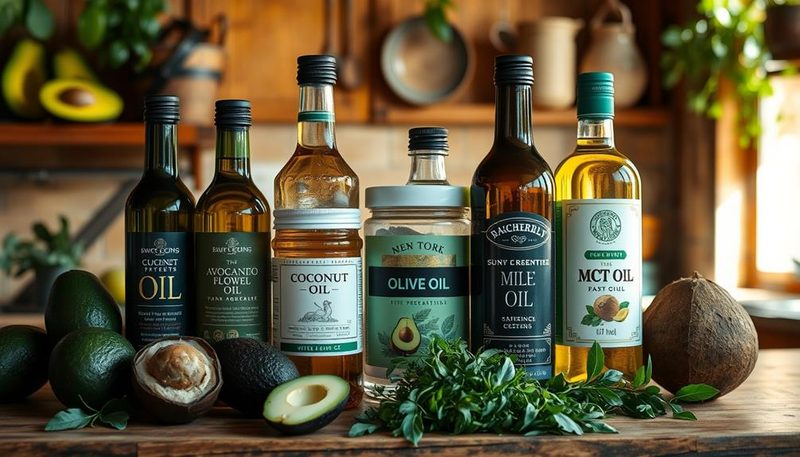
Walk down any supermarket aisle and the cooking oil section reads like a battlefield of claims: cholesterol-free, cold-pressed, omega-rich, light. Indian kitchens, meanwhile, have cooked in mustard oil, groundnut oil, coconut oil and ghee for generations without a marketing department. The science underneath is actually straightforward and comes down to one distinction: saturated versus unsaturated fats. Understanding that single difference clears up most of the confusion, helps you decode labels honestly, and lets you choose oils that suit both your health and your tadka. This guide explains the fats, the oils and the practical rules.
Saturated vs unsaturated: what the terms mean
Fats are chains of carbon atoms. In saturated fats, the chain is fully loaded with hydrogen atoms, which lets the molecules pack tightly and stay solid at room temperature, think ghee, butter and coconut oil. In unsaturated fats, some hydrogen spots are missing, creating kinks that keep the oil liquid; these divide into monounsaturated (one kink, as in olive, mustard and groundnut oils) and polyunsaturated (multiple kinks, as in sunflower, safflower and soybean oils). The health relevance: high intakes of saturated fat raise LDL, the artery-clogging cholesterol, while replacing saturated fats with unsaturated ones lowers LDL and is linked to less heart disease. Trans fats, found in vanaspati and many bakery shortenings, are the worst of all and best avoided entirely.
How Indian cooking oils compare
Every traditional Indian oil has a distinct fatty acid profile. Mustard oil is rich in monounsaturated fats and alpha-linolenic acid, an omega-3, which is why nutritionists often rate it well; its pungency mellows on heating. Groundnut oil is mostly monounsaturated, stable for frying and neutral enough for everyday use. Sesame (til) oil brings monounsaturated fats plus antioxidants. Coconut oil, beloved in Kerala, is over 85 per cent saturated, so despite its traditional status it should be used moderately. Sunflower, safflower and soybean oils are high in polyunsaturated omega-6 fats; they are fine but offer less of the protective monounsaturated profile. Olive oil is excellent raw or for light sauteing but expensive and low-smoke for deep tadkas. Rice bran oil has gained fans for its balanced profile and high smoke point. Ghee, about 65 per cent saturated, is fine in small traditional quantities but not as a free-pour fat.
What about the smoke point?
An oil’s smoke point, the temperature at which it starts breaking down and smoking, matters enormously in Indian cooking, where tadka, deep frying and high-heat sauteing are routine. Heating oil past its smoke point degrades flavour and generates harmful compounds. Refined oils generally have higher smoke points than cold-pressed versions of the same oil. Mustard, groundnut, rice bran and refined sunflower oils handle Indian high-heat cooking well. Extra-virgin olive oil and flaxseed oil have low smoke points and belong in dressings or finishing, not in the kadhai. Repeatedly reheating the same oil, as many households and street vendors do, is genuinely harmful: each cycle increases oxidation products. Never reuse frying oil more than once or twice, and discard oil that has darkened, smells off or foams.
Practical rules for the Indian kitchen
Perfection is unnecessary; a few habits cover most of the benefit.
- Rotate two or three oils: using mustard, groundnut and sesame across the month gives a broader fatty acid mix than loyalty to one.
- Measure, do not pour: most families use far more oil than they think; a spoon per person per dish is a good ceiling.
- Prefer unsaturated for daily cooking: mustard, groundnut, sesame, rice bran and blended oils beat coconut oil and vanaspati for everyday use.
- Keep ghee small: a teaspoon for flavour is tradition; a ladle is excess.
- Banish vanaspati: partially hydrogenated fat is the main source of artificial trans fats; read labels on biscuits and bakery items too.
- Do not fear all fat: very low-fat diets backfire; the body needs fats for hormones, vitamin absorption and satiety.
Decoding label claims
Cholesterol-free on a plant oil means nothing, since no plant oil ever contained cholesterol. Light or lite usually refers to colour or flavour, not calories; all oils have about 120 calories per tablespoon. Claims about omega-3 are worth checking against the actual grams per serving. Cold-pressed or kachi ghani oils retain more natural antioxidants but cost more and smoke sooner; they suit low-heat cooking and raw use. Blended oils can be sensible if the blend is disclosed and balanced. The most honest label is the fatty acid composition panel: look for high monounsaturated content and zero trans fats.
FAQs
Is coconut oil good or bad? Neither extreme. It is a traditional fat with a high saturated content, so use it for flavour in moderation rather than as the primary cooking medium.
How much oil per day is healthy? Indian guidelines suggest roughly 20 to 25 grams of visible fat per person per day, about 4 to 5 teaspoons, alongside fats naturally present in foods.
Are air fryers healthier? They cut oil use sharply, which helps, but the food’s underlying nutrition still matters more than the gadget.
The oil debate generates more heat than the kadhai, but the principles are calm: favour unsaturated fats, rotate your oils, respect smoke points, measure your pours and keep trans fats out of the house. Do that, and the tadka stays delicious without becoming a health gamble.
Compiled by the Khabar 24h Editorial Desk from publicly available sources.

Khabar 24h Editorial Desk — our explainers are prepared by the Khabar 24h editorial team using AI-assisted research tools, and every piece is reviewed by a human editor before publishing. We do not claim original reporting: our work is turning complex topics into simple, accurate summaries. Spotted an error? Write to contact@khabar24h.com — our corrections policy aims for same-day review.
More from this author →