Millets Explained: Ragi, Jowar and Bajra Nutrition Benefits and How to Cook Them
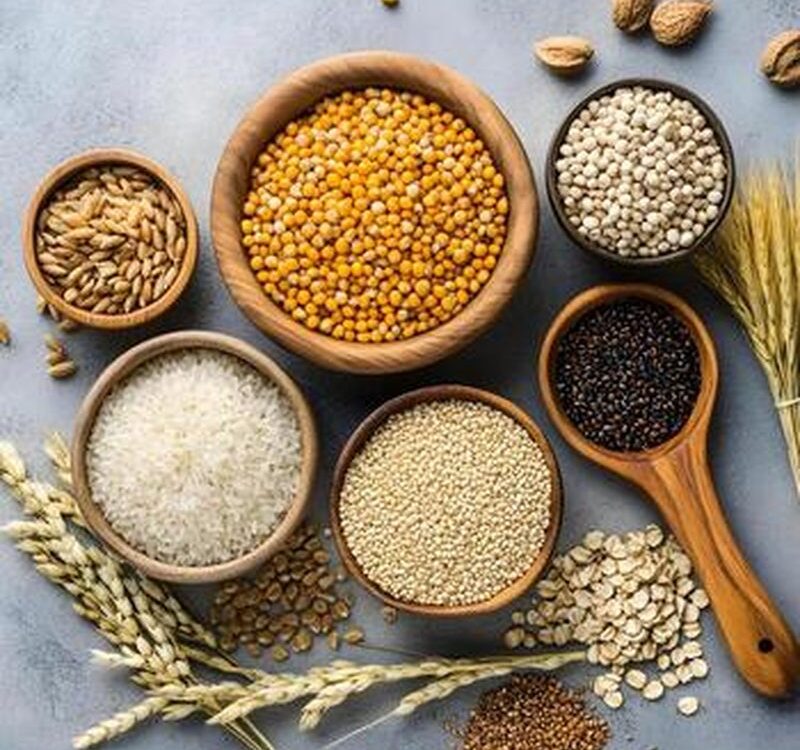
Long before wheat and rice dominated Indian plates, millets fed the subcontinent. Ragi, jowar, bajra, foxtail and little millet sustained generations, then faded as refined grains took over. Now they are back, propelled by the International Year of Millets, a growing diabetes burden and a rediscovery of traditional wisdom. Nutritionally, millets punch far above their humble reputation: they are rich in fibre, minerals and slow-digesting carbohydrates, naturally gluten-free and suited to Indian climates. But many home cooks still find them unfamiliar in the kitchen. This guide explains what each major millet offers and how to cook them so the family actually asks for seconds.
Why millets deserve the comeback
The core advantage of millets is their low glycaemic index. Their complex carbohydrates and high fibre slow digestion, releasing glucose gradually instead of spiking blood sugar the way white rice does. For a country with over 100 million diabetics and millions more pre-diabetic, that single property matters enormously. Millets are also mineral-dense: ragi is famously rich in calcium, bajra brings iron and magnesium, and jowar contributes protein and B vitamins. They need far less water than paddy to grow, making them climate-resilient crops. On the plate, their nutty flavours add variety to monotonous cereal routines. The catch is that they cannot simply replace rice one-to-one without adjusting water, cooking time and expectations of texture.
Ragi: the calcium champion
Finger millet, or ragi, contains roughly 340 mg of calcium per 100 grams, several times more than rice or wheat, plus good iron and essential amino acids. It is the traditional weaning food across Karnataka and Tamil Nadu for good reason. Ragi flour makes soft rotis when the dough is kneaded with hot water, and ragi mudde, balls of cooked ragi flour eaten with sambar, is a complete meal. Ragi dosa, prepared from a fermented batter of ragi and urad dal, turns crisp and tangy. For breakfast, ragi porridge cooked in milk or water with jaggery is gentle and filling. Ragi malt, a thin drink, suits children and the elderly. Because ragi flour goes rancid faster than wheat flour, buy in small quantities and store airtight.
Jowar: the versatile sorghum
Sorghum, or jowar, is Maharashtra’s staple grain and arguably the most adaptable millet. Its large grains cook into fluffy bhakri, the rustic flatbread that pairs with pithla, thecha and baingan bharta. Jowar flour rotis need hot water kneading and a gentle hand, but they stay soft if kept covered. Whole jowar grains can be pressure-cooked like rice for khichdi or pulao, and popped jowar makes a light, high-fibre snack similar to popcorn. Nutritionally, jowar offers protein comparable to wheat, plenty of fibre and useful amounts of iron and phosphorus. Its neutral taste makes it the easiest millet for beginners, since it absorbs the flavours of dals and curries without asserting its own.
Bajra: the winter warmer
Pearl millet, or bajra, is Rajasthan and Gujarat’s cold-weather grain, prized for the warmth it supposedly generates. Bajra rotla, thick hand-patted flatbreads, are traditionally eaten with ghee, jaggery and garlic chutney. Bajra khichdi with moong dal is a one-pot comfort meal, and bajra raab, a thin porridge, is given to new mothers. Bajra is rich in iron, magnesium and insoluble fibre, which aids digestion. Its robust, earthy flavour is the strongest of the three, so mixing bajra flour with wheat flour, starting at a 30:70 ratio, eases the transition. Note that bajra flour turns bitter quickly in heat; refrigerate it in summer or buy freshly milled.
How to cook millets well
Most millet failures come from treating them like rice. A few rules change everything.
- Rinse and soak: soak whole millets for 4 to 6 hours to soften the bran and reduce cooking time.
- Adjust water: most millets need a 1:2.5 to 1:3 grain-to-water ratio, more than rice.
- Rest after cooking: let cooked millets sit covered for 10 minutes so grains firm up instead of turning mushy.
- Knead flours with hot water: this gelatinises the starch and makes pliable dough without gluten.
- Start blended: mix millet flour with wheat flour at first, increasing the share gradually.
- Do not overcook rotis: millet flatbreads dry out fast; cook on medium heat and store in a cloth-lined box.
Who should be careful?
Millets are wholesome but not magic. People with thyroid disorders should know that some millets, especially bajra, contain goitrogens that can interfere with iodine uptake when eaten in very large quantities; variety and adequate iodine, through iodised salt, solve this. Those with kidney stones should moderate high-oxalate choices. And millets still contain carbohydrates, so diabetics must watch portions rather than eating unlimited quantities. As with any grain, the benefit comes from replacing refined cereals, not from adding millets on top of them.
FAQs
Are millets gluten-free? Yes, all true millets are naturally gluten-free, making them safe for people with coeliac disease, though cross-contamination in mills is possible for the highly sensitive.
Can millets replace rice completely? They can, but most dietitians suggest rotating grains across the week rather than fixating on one, since each grain has a different nutrient profile.
Do millets help in weight loss? Their fibre keeps you full longer, which can reduce overall eating, but weight loss still depends on total calories and activity.
Millets are not a fad; they are a homecoming. Ragi for bones, jowar for everyday versatility, bajra for winter strength: each earns its place in the weekly rotation. Cook them with the small adjustments they need, and these ancient grains will do what they have always done, quietly nourish the household.
Compiled by the Khabar 24h Editorial Desk from publicly available sources.

Khabar 24h Editorial Desk — our explainers are prepared by the Khabar 24h editorial team using AI-assisted research tools, and every piece is reviewed by a human editor before publishing. We do not claim original reporting: our work is turning complex topics into simple, accurate summaries. Spotted an error? Write to contact@khabar24h.com — our corrections policy aims for same-day review.
More from this author →