How Fan Clubs Became Organised Marketing Machines for Indian Film Stars
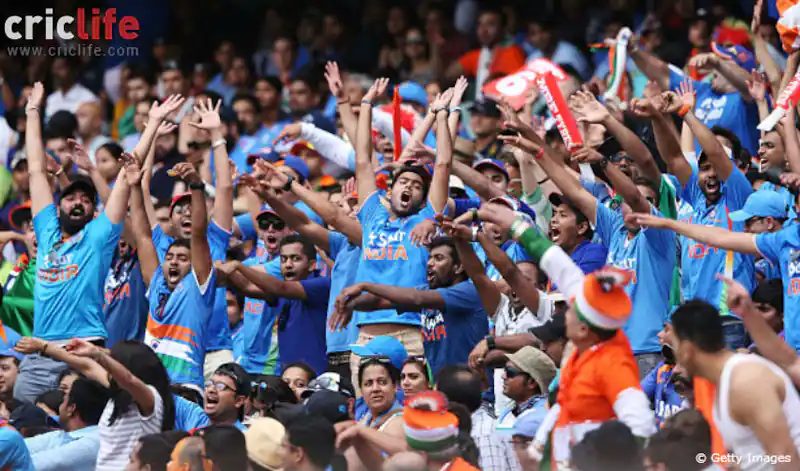
Before a big star’s film releases, the war begins online: hashtags trend for days, fan-made posters flood social media, theatres are booked in bulk, and rival fandoms clash in battles of numbers. The soldiers are fan clubs, once informal groups of admirers, now organised marketing machines that can move box office numbers and dominate digital discourse. How fan clubs became these machines is the story of devotion industrialised.
From admiration to organisation
Indian film fandom has deep roots: the cutout-worshipping, milk-pouring fan cultures of the South, the single-screen frenzies of the North. What changed is organisation. Social media gave scattered fans coordination tools: WhatsApp groups, Twitter armies, YouTube channels, Instagram pages, each with hierarchies, roles and strategies. A major star’s fandom today resembles a political campaign’s digital wing, complete with district-level coordinators and content calendars.
The structure is often semi-formal: fan club presidents, social media heads, designers making posters, video editors cutting trailers, data teams tracking trends. Membership runs into the organised thousands, with reach multiplying into millions through coordinated action.
What fan armies actually do
Their peacetime work is promotion: trending hashtags on birthdays and release dates, celebrating milestones, defending the star against criticism, amplifying every announcement. Their wartime work is box office: bulk ticket bookings for opening days, organising first-day-first-show celebrations, and the crucial perception battle, making a film look like an event before it opens.
- Trend operations: coordinated hashtag campaigns that dominate social media conversation.
- Box office mobilisation: bulk bookings and opening-weekend turnout drives.
- Content creation: fan posters, edits and videos that function as free marketing.
- Defence: rapid response to criticism, trolling of rivals and narrative control.
The industry has noticed and adapted. Marketing teams now coordinate with fan clubs, feeding them exclusive content, early access and recognition, effectively outsourcing promotion to the most motivated workforce imaginable: unpaid, tireless and emotionally invested.
The business of fandom
Fan clubs run on volunteer labour but real money flows around them: crowdfunded trend campaigns, bulk ticket purchases, merchandise, charity activities conducted in the star’s name. Some fan organisations are remarkably sophisticated, running welfare activities, blood donation drives and disaster relief under the star’s banner, building goodwill that reflects on their idol.
Stars and their teams manage these relationships carefully: acknowledging fan clubs, meeting leaders, channelling their energy productively. A well-managed fandom is a strategic asset; a neglected one can turn toxic, and rival fandom wars regularly embarrass everyone involved.
The dark side
Organised fandom has a shadow: coordinated trolling, review-bombing rival films, harassment of critics and journalists, and the pressure it puts on stars themselves, who must constantly feed the machine with acknowledgment. The toxicity debates around Indian film fandoms reflect real harm, and platforms and industry figures periodically call for restraint.
Yet the phenomenon persists because it works: in an attention economy, organised passion is power, and no marketing budget buys what genuine devotion delivers for free.
Fandom as philanthropy
Fan clubs’ most surprising evolution is charitable. Major fandoms organise blood donation drives, disaster relief, education support and environmental campaigns in their star’s name, mobilising thousands of volunteers with remarkable efficiency. These activities serve multiple purposes: genuine social good, positive publicity for the star, and organisational muscle-building that strengthens the fandom itself. Stars increasingly acknowledge and encourage the philanthropy, attending events and amplifying causes, recognising that fandom-as-charity burnishes their public image. The scale can be impressive: coordinated across cities, fan-led relief efforts have matched professional NGOs in responsiveness. Critics note the branding element, charity as fandom marketing, but the beneficiaries rarely care about motives. This philanthropic turn also matures fandoms internally: members who organise relief work develop skills and bonds beyond celebrity worship. The fan club becomes a civic organisation wearing a star’s colours, proving that organised passion can serve purposes nobler than trending hashtags.
FAQs
Do stars control their fan clubs? Rarely directly. Fan clubs are usually independent, though stars’ teams increasingly coordinate with major fan organisations.
Do fan trends affect box office? They affect perception and opening momentum significantly, though a film’s ultimate fate still depends on audience word of mouth.
Are fan clubs only a South Indian phenomenon? They are strongest in the South but exist for stars across industries, with Bollywood and other fandoms increasingly organised online.
Fan clubs turned love into logistics: the posters are still made with devotion, but now they are deployed like campaigns, and Indian stardom runs on their organised passion.
Compiled by the Khabar 24h Editorial Desk from publicly available sources.

Khabar 24h Editorial Desk — our explainers are prepared by the Khabar 24h editorial team using AI-assisted research tools, and every piece is reviewed by a human editor before publishing. We do not claim original reporting: our work is turning complex topics into simple, accurate summaries. Spotted an error? Write to contact@khabar24h.com — our corrections policy aims for same-day review.
More from this author →