How Virtual Influencers Work: India’s AI-Generated Stars
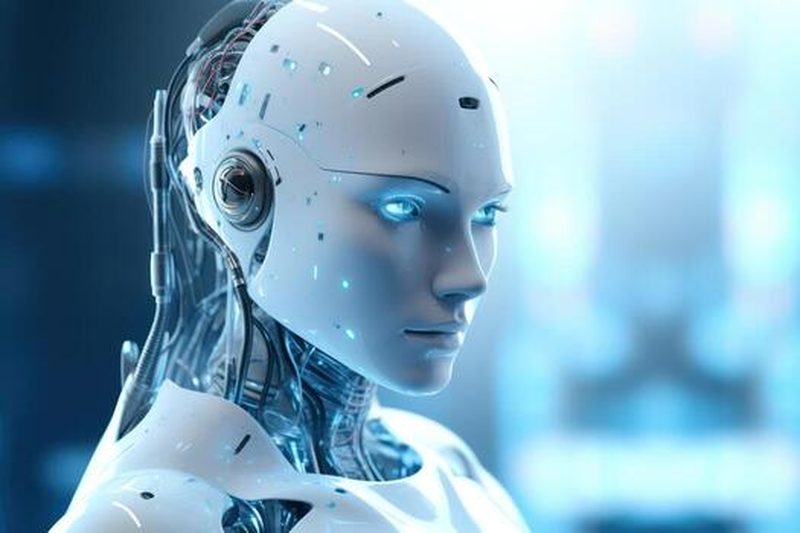
She has perfect skin, a curated wardrobe, hundreds of thousands of followers and brand deals with real companies. She has also never existed. Virtual influencers, AI-generated digital personas managed by creative teams, have arrived in India, modelling clothes, promoting products and accumulating fans like any human star. How virtual influencers work, who creates them and why brands pay them, is a glimpse into entertainment’s synthetic future.
What a virtual influencer is
A virtual influencer is a computer-generated character presented as a social media personality: posting photos, sharing stories, interacting with followers, living a fictional life. Behind the persona sits a team: 3D artists who model and render the character, writers who craft the voice and storylines, social media managers who post and engage. Advances in real-time rendering and AI have made creation faster and more convincing, though most Indian virtual influencers remain carefully produced rather than fully autonomous.
The personas are designed like brands: distinctive looks, consistent aesthetics, aspirational lifestyles, and backstories that give followers something to follow. Some are fashion models, some musicians, some activists; all are engineered for engagement.
How they are made
Creation blends art and technology. Character designers develop the influencer’s look, 3D artists build and rig the model, and each post is staged, rendered and composited like a miniature production. AI tools increasingly assist: generating backgrounds, animating expressions, even drafting captions. The workflow resembles animation production compressed into social media cadence.
Personality is the harder build. Writers develop the voice, opinions and narrative arcs: the virtual influencer’s trips, collaborations, causes and controversies are all scripted. The illusion depends on consistency: followers must feel they know this person, even knowing she is pixels.
Why brands pay pixels
Virtual influencers offer brands something humans cannot: total control. No scandals, no scheduling conflicts, no ageing, no rival endorsements, availability in any location imaginable. A virtual model can wear a new collection before it is manufactured, appear in ten campaigns simultaneously, and never demand a raise. For brands, the economics are compelling once the initial creation cost is amortised.
- Brand safety: zero risk of personal controversy or misconduct.
- Creative freedom: impossible locations, perfect consistency, instant revisions.
- Cost efficiency: no travel, no talent fees, reusable digital assets.
- Novelty value: the buzz of working with AI-generated talent.
Indian brands, from fashion to technology, have begun experimenting, and agencies now offer virtual influencer creation as a service. The deals are real money for unreal people.
The uncanny questions
Virtual influencers raise disquieting questions. Disclosure: followers should know the persona is synthetic, and regulators increasingly demand it. Authenticity: can a fictional character genuinely recommend products, and does it matter if followers know? Employment: do synthetic stars displace human models and creators? And representation: who decides what these idealised digital bodies look like, and what beauty standards they entrench?
The technology’s defenders argue virtual influencers are simply a new medium, like animation or CGI actors, and that transparency resolves the ethical concerns. Critics see a further step toward manufactured unreality in an already filtered media landscape.
Designing a digital persona
Creating a convincing virtual influencer is character design at its most demanding. Artists develop the persona’s look through countless iterations: face, body, style, the micro-details that make a digital human feel specific rather than generic. Backstory gives the persona depth: hometown, interests, friendships, a life narrative followers can invest in. Visual consistency is critical: the character must be recognisable across hundreds of posts, in different outfits, locations and moods, requiring rigorous model management. Personality bible documents the voice: how she captions, what she jokes about, what opinions she holds, ensuring every post feels like the same person. The uncanny valley is the constant enemy: too perfect feels alien, too flawed breaks the fantasy. Successful designs find the sweet spot of aspirational relatability. As AI generation improves, the craft shifts from manual modelling to art direction: guiding algorithms rather than sculpting polygons, but the core challenge remains human, creating someone followers genuinely care about.
FAQs
Are virtual influencers really AI? Most are 3D-modelled characters managed by human teams, with AI increasingly assisting creation. Fully autonomous AI influencers remain largely experimental.
Do they really get brand deals? Yes. Brands pay virtual influencers for campaigns, valuing their control, consistency and novelty.
Will they replace human influencers? Unlikely entirely; audiences still crave human connection. Virtual influencers are becoming a parallel category, not a replacement.
Virtual influencers are fame abstracted: all the influence, none of the person, and a preview of an entertainment future where the stars are designed, not born.
Compiled by the Khabar 24h Editorial Desk from publicly available sources.

Khabar 24h Editorial Desk — our explainers are prepared by the Khabar 24h editorial team using AI-assisted research tools, and every piece is reviewed by a human editor before publishing. We do not claim original reporting: our work is turning complex topics into simple, accurate summaries. Spotted an error? Write to contact@khabar24h.com — our corrections policy aims for same-day review.
More from this author →