How Short-Video Creators Rebuilt Careers After the TikTok Ban
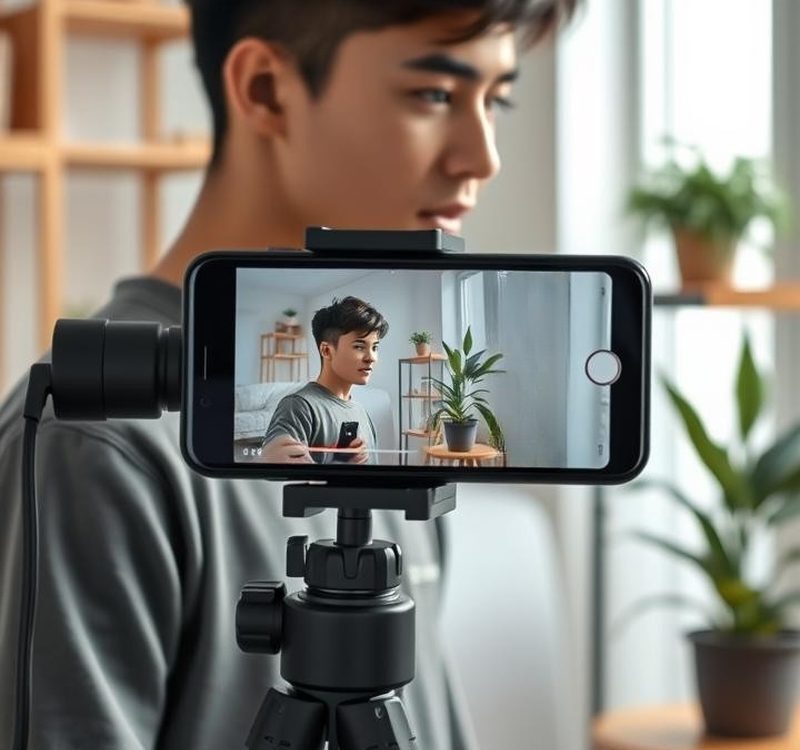
In June 2020, millions of Indian creators woke up to find their careers had vanished overnight: TikTok, the app where they had built massive followings and livelihoods, was banned. What followed was one of the digital age’s great migrations, as creators scrambled to rebuild audiences, income and identities on new platforms. How short-video creators rebuilt careers after the TikTok ban is a story of resilience, platform opportunism and the birth of India’s homegrown short-video industry.
The day the music stopped
The ban’s impact was immediate and brutal. Top creators lost followings in the tens of millions; the influencer economy built around TikTok, brand deals, promotions, live gifts, evaporated. For creators from small towns who had found fame and income unimaginable in their offline lives, the loss was existential. The app had been more than entertainment: it was employment, identity and community.
But audiences did not disappear, only the venue. India’s appetite for short video remained as voracious as ever, and every platform in the country saw the opportunity: the creators needed a new home, and the home that won them would win the market.
The great migration
Indian short-video apps launched and scaled at astonishing speed, backed by funding and aggressive creator acquisition: signing bonuses, revenue shares and featuring promises lured TikTok stars to homegrown platforms. Simultaneously, global giants entered the fray: Instagram Reels and YouTube Shorts brought massive built-in audiences and monetisation infrastructure, becoming the primary destinations for many creators.
- Indian apps: homegrown platforms offering creator funds and local-language focus.
- Instagram Reels: massive reach through Instagram’s existing user base.
- YouTube Shorts: monetisation infrastructure and the path to long-form careers.
- Multi-platform presence: creators diversifying across all of the above.
The smartest creators diversified immediately, rebuilding on multiple platforms rather than betting on one. The trauma of the ban taught a lasting lesson: never build your entire career on rented land you do not control.
Rebuilding audiences and income
Recovery was uneven. Creators with distinctive personalities and transferable skills rebuilt fastest; those whose fame was purely algorithmic struggled. Many discovered their true fans followed them across platforms, while casual viewers did not, a clarifying lesson in the difference between followers and community.
Income recovered through new channels: brand deals migrated to Reels and Shorts, platform creator funds paid bonuses, live streaming gifts returned on new apps, and the most entrepreneurial launched businesses, merchandise, even traditional media careers. Some creators emerged bigger than before, having converted a single-platform following into a diversified media presence.
What the ban built
Paradoxically, the ban catalysed India’s short-video industry. Homegrown apps, funding, creator programmes and advertiser interest all surged in the vacuum, building infrastructure that outlasted the initial chaos. The episode also matured the creator economy: diversification, owned audiences through other channels, and business thinking became standard practice.
The creators who survived share a trait: adaptability. Platforms will keep rising and falling; the careers that endure belong to creators who are bigger than any single app.
The creator fund era
Platform money reshaped creator economics. Creator funds, bonus programmes and revenue-sharing schemes pay creators directly for short-video performance, turning views into income without brand deals. The payouts vary wildly: generous during platform land-grabs for creators, leaner as markets mature. Savvy creators treat fund income as a bridge, not a foundation, building brand relationships and diversified revenue while platforms pay. The funds also changed content incentives: creators optimise for the metrics funds reward, sometimes at the cost of creativity. Smaller creators benefited most, earning their first meaningful income from views alone. But dependence on fund payouts proved risky when programmes shrank or ended, reinforcing the diversification lesson. The fund era’s lasting legacy is professionalisation: it taught a generation that content has calculable value, gave them negotiating experience with platforms, and funded the transition from hobbyists to businesses. The platforms that paid best won the talent; the creators who saved best won the future.
FAQs
Why was TikTok banned in India? The government banned it along with other apps in 2020 over data security and sovereignty concerns.
Where did TikTok creators go? To Indian short-video apps, Instagram Reels and YouTube Shorts, with most successful creators maintaining multi-platform presences.
Did creators recover their incomes? Many did, some exceeding their TikTok-era earnings through diversified platforms and revenue streams, though recovery was uneven.
The TikTok ban was supposed to end careers; instead it taught a generation of creators the most valuable lesson in the digital economy: own your audience, or someone else will.
Compiled by the Khabar 24h Editorial Desk from publicly available sources.

Khabar 24h Editorial Desk — our explainers are prepared by the Khabar 24h editorial team using AI-assisted research tools, and every piece is reviewed by a human editor before publishing. We do not claim original reporting: our work is turning complex topics into simple, accurate summaries. Spotted an error? Write to contact@khabar24h.com — our corrections policy aims for same-day review.
More from this author →