How Music Documentaries Capture India’s Independent Scene
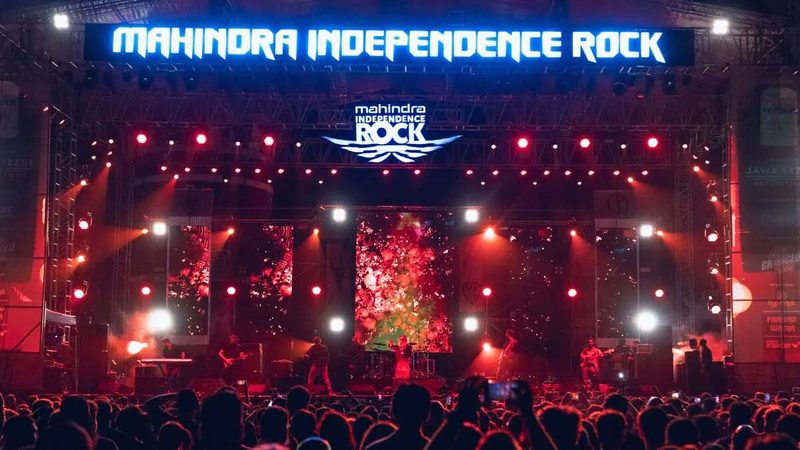
In cramped rehearsal rooms, on tiny club stages and in bedroom studios, a musical revolution has been unfolding far from Bollywood’s spotlight: India’s independent music scene, a ferment of rock, hip-hop, electronic, folk-fusion and singer-songwriter artistry. Music documentaries have become its chroniclers, capturing a world the mainstream barely notices. How these documentaries capture India’s independent scene is a story of access, patience and filmmakers who love the music enough to live inside it.
Why the indie scene needs documenting
Independent music in India exists in Bollywood’s long shadow: massively creative, minimally funded, largely invisible to mass media. Scenes cohere around cities, Mumbai’s rock and electronic underground, Delhi’s hip-hop explosion, Bengaluru’s indie rock, Shillong’s legendary rock culture, the Northeast’s extraordinary musicality, each with its own venues, labels and lore. Without documentation, these histories vanish: bands break up, venues close, and the stories survive only as legend.
Documentaries serve as the scene’s memory and its mirror. They preserve performances, record oral histories, map the networks of collaboration and give scattered local scenes a coherent narrative. For musicians, a good documentary is validation; for audiences, it is a doorway into worlds they never knew existed.
How filmmakers get inside
Access is everything and it is earned, not granted. Indie scenes are tight-knit and wary of outsiders; filmmakers win trust by showing up repeatedly, knowing the music, and proving they are participants rather than tourists. The best music documentaries are made by insiders or adopted insiders, directors who spent months in rehearsal rooms and green rooms before ever raising a camera.
Shooting music demands its own craft: multi-camera live recording that captures performance energy, intimate interviews that draw out artists’ stories, and archival digging through old gig posters, demo tapes and phone footage. Sound quality is non-negotiable: a music documentary with bad audio betrays its subject.
What the films reveal
- The economics: how musicians survive on gigs, teaching, sync deals and sheer stubbornness.
- The scenes: city-by-city portraits of venues, collectives and communities.
- The breakthroughs: hip-hop’s mainstream explosion, indie film syncs, streaming playlists.
- The struggles: piracy, venue closures, the Bollywood monopoly on attention and money.
The most powerful documentaries look beyond performance to the lives around the music: the day jobs, the family scepticism, the compromises and the moments when it all feels worth it. They capture not just a scene but a generation’s relationship with art.
Funding and finding audiences
Music documentaries about indie scenes face a double niche: documentary audiences and indie music audiences, both passionate but small. Funding comes from grants, crowdfunding, brand partnerships with music companies and the occasional streaming commission. Distribution runs through festivals, YouTube releases, music platforms and community screenings where the film’s subjects perform live.
The audience math is changing. Streaming playlists and social media have expanded indie music’s reach, and hip-hop’s mainstream breakthrough proved independent sounds can conquer India. Documentaries ride that wave, introducing wider audiences to the scenes beneath the hits.
Streaming’s discovery effect
Streaming platforms changed the music documentary’s fate. Algorithmic recommendations surface indie music films to viewers who never sought them, while curated playlists and documentary rows give the genre visibility it never had on television. Global platforms carry Indian music documentaries to diaspora and world audiences, building international followings for local scenes. Social clips, performance excerpts cut for social media, funnel new viewers to full films with remarkable efficiency. The data also guides production: platforms can see exactly which music stories audiences finish, informing future commissions. For filmmakers, the pitch transformed from begging for festival slots to negotiating with platforms hungry for music content. The economics remain modest compared to scripted originals, but the reach is transformative: a documentary about a Shillong rock band can now find its audience in Mumbai, London and Toronto simultaneously. Discovery, the indie scene’s eternal problem, finally has an engine.
FAQs
What is the Indian independent music scene? Non-film music made outside the Bollywood system: rock, hip-hop, electronic, folk-fusion and singer-songwriter traditions, centred on live gigs and digital releases.
Where can I watch these documentaries? At film festivals, on YouTube and streaming platforms, and at community screenings often paired with live performances.
How is indie music different from Bollywood music? It is artist-driven rather than film-driven, with musicians writing their own material and building audiences through gigs and streaming rather than cinema.
Music documentaries keep the indie scene’s history alive: every film is an archive of a night, a band, a movement, proof that Indian music was always bigger than its films.
Source: Rolling Stone India

Khabar 24h Editorial Desk — our explainers are prepared by the Khabar 24h editorial team using AI-assisted research tools, and every piece is reviewed by a human editor before publishing. We do not claim original reporting: our work is turning complex topics into simple, accurate summaries. Spotted an error? Write to contact@khabar24h.com — our corrections policy aims for same-day review.
More from this author →