How Documentaries Get Funded in India: Grants, Streamers and Crowdfunding
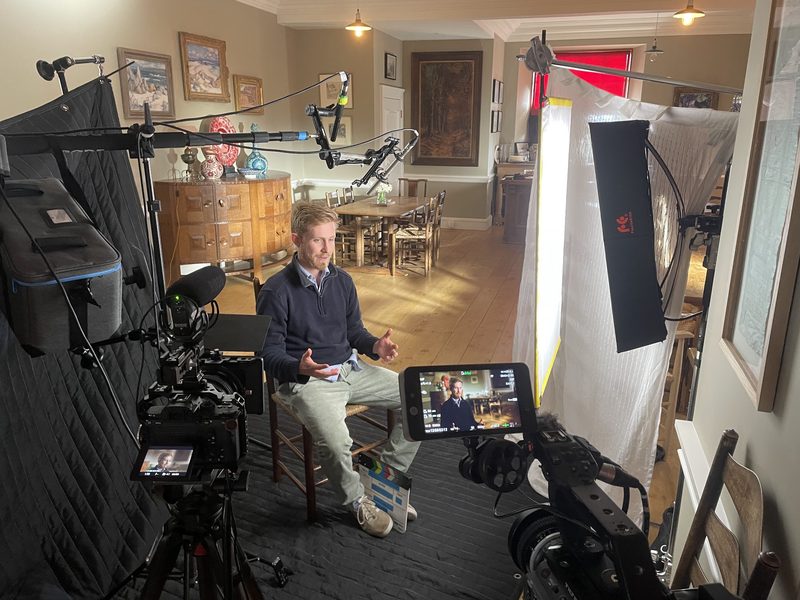
Every acclaimed Indian documentary begins with the same unglamorous question: who pays for this? Non-fiction filmmaking is among the riskiest creative investments, years of work with uncertain returns, yet Indian documentaries keep getting made, winning global awards and finding growing audiences. How documentaries get funded in India, through grants, streamers, broadcasters and crowdfunding, reveals a financing ecosystem as inventive as the films it supports.
The grant landscape
Grants are documentary’s traditional lifeline. Indian filmmakers compete for national cultural grants, international documentary funds, festival-linked development money and foundation support. These grants fund development, production and post-production, often in stages, and carry prestige that unlocks further financing. Winning a respected grant signals to the industry that a project is serious.
The grant game demands its own skills: compelling proposals, work samples, budgets, timelines. Filmmakers learn to pitch ideas on paper long before shooting, and to navigate the priorities of funders who may favour certain themes or regions. International funds, in particular, have shaped what gets made, for better and worse, by rewarding globally legible stories.
Broadcasters and streamers enter the frame
Television documentary slots, once a reliable funder, shrank as channels chased ratings, but streaming brought new money. Platforms commission documentaries and docuseries, particularly in true crime, sports and celebrity biography, genres with proven audiences. These commissions offer budgets documentary filmmakers never had, along with guaranteed distribution.
- Grants: national and international funds supporting development through completion.
- Streamer commissions: platform-funded documentaries with built-in distribution.
- Pre-sales: broadcasters buying rights before completion, financing production.
- Crowdfunding: direct audience funding for independent and activist films.
The trade-off is creative constraint: commissioned work must fit platform strategies, audience data and brand sensitivities. Filmmakers balance the security of commissions against the freedom of independence, often doing both across different projects.
Crowdfunding and independent routes
Crowdfunding democratised documentary finance for films with passionate constituencies: social issue films, community stories, fan-supported subjects. Successful campaigns combine compelling trailers, clear budgets and relentless outreach, turning the audience into the funder. The amounts are modest compared to commissions, but the creative freedom is total.
Many documentaries are simply self-funded, at least initially: filmmakers shooting for years on personal savings, building the film until it attracts grants or buyers. Co-productions with international partners split costs and open festival and broadcast doors. The independent documentary economy runs on patchwork: a grant here, a pre-sale there, sweat equity everywhere.
What funding shapes
Financing is never neutral. Grant priorities nudge filmmakers toward fundable themes; platform data pushes true crime and celebrity stories; crowdfunding rewards films with mobilisable audiences. The healthiest documentary ecosystems offer diverse funding so no single taste dictates what gets made. India’s mix, grants, commissions, crowdfunding, self-funding, provides that diversity imperfectly but genuinely.
The audience is growing, which changes the maths. Theatrical documentary releases, festival buzz and streaming visibility prove to funders that documentaries can find viewers, encouraging more investment. Each breakout success makes the next film slightly easier to fund.
The art of the pitch
Documentary funding begins with persuasion. Filmmakers craft proposals that make a years-long project vivid on paper: loglines that hook, treatments that convey vision, budgets that inspire confidence, work samples that prove capability. Pitching forums at festivals let filmmakers present to rooms of funders, broadcasters and distributors in timed sessions, a high-pressure art combining storytelling and salesmanship. Trailers and teasers have become essential: a few powerful minutes of footage convince better than any proposal. Co-production markets connect Indian filmmakers with international partners, splitting costs and opening doors. The pitch must also navigate what funders want to hear: social relevance for grants, audience potential for platforms, prestige for cultural funds. Rejection is routine; persistence is the skill. Behind every funded documentary lie dozens of failed pitches, each one refining the project. The filmmakers who master pitching do not just fund films; they build the relationships and reputations that fund careers.
FAQs
How much does an Indian documentary cost? From a few lakhs for lean independent productions to crores for high-end commissioned docuseries with archival and international shoots.
Can crowdfunding fully fund a documentary? Sometimes, for modest budgets with strong audience appeal, but most crowdfunded films combine it with other sources.
Do streamers buy finished independent documentaries? Yes, acquisitions of completed films are common, though commissions are increasingly the preferred route for platforms.
Documentary funding is faith made financial: every grant, commission and crowdfunded rupee is a bet that the truth, well told, is worth paying for.
Compiled by the Khabar 24h Editorial Desk from publicly available sources.

Khabar 24h Editorial Desk — our explainers are prepared by the Khabar 24h editorial team using AI-assisted research tools, and every piece is reviewed by a human editor before publishing. We do not claim original reporting: our work is turning complex topics into simple, accurate summaries. Spotted an error? Write to contact@khabar24h.com — our corrections policy aims for same-day review.
More from this author →