How Puppetry and Folk Theatre Are Finding New Audiences in India
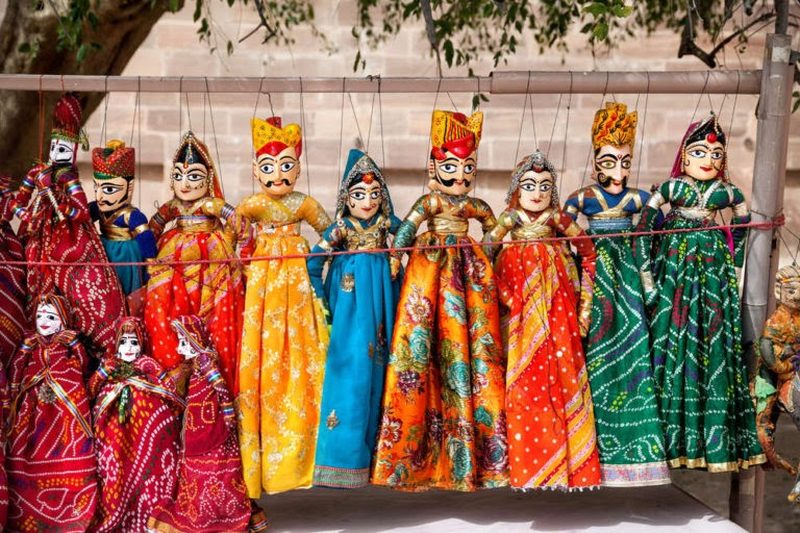
In an age of streaming spectacles, some of India’s most magical performances still happen with string, shadow and a skilled pair of hands. Puppetry and folk theatre, traditions centuries old, are finding new audiences: at festivals, in schools, on digital platforms and in urban venues their practitioners never imagined. How these ancient arts are winning modern fans is a story of adaptation without surrender, of old magic learning new stages.
The traditions at stake
India’s puppetry heritage is astonishingly diverse: Rajasthan’s kathputli string puppets, West Bengal’s rod puppets, Andhra Pradesh’s shadow leather puppets, Kerala’s tholpavakoothu shadow theatre, each with distinct techniques, repertoires and cosmologies. Folk theatre matches this richness: nautanki, tamasha, bhavai, jatra, each region’s exuberant, musical, participatory stage tradition. Together they represent performance knowledge accumulated over centuries.
These forms were never museum pieces but living popular entertainment, until cinema and television marginalised them. Master practitioners aged without apprentices, repertoires shrank, and the arts faced genuine extinction risk. The revival now underway is therefore not nostalgia but rescue.
How new audiences are being reached
The revival runs on multiple tracks. Cultural festivals give folk artists prestigious urban platforms and paying audiences. Schools and educational programmes bring puppetry to children, who respond with uninhibited delight, creating the next generation of both audiences and practitioners. Digital platforms let a Rajasthani puppeteer reach viewers worldwide, with videos of traditional performances finding surprising viral success.
- Festivals: curated showcases bringing folk arts to urban and international audiences.
- Education: school workshops and children’s programming building young audiences.
- Digital video: performances reaching global viewers beyond any physical tour.
- Contemporary fusion: collaborations with modern theatre, music and design.
Contemporary artists are also reinventing the forms: puppetry addressing modern themes, folk theatre techniques entering experimental stage work, traditional puppeteers collaborating with filmmakers and advertisers. The traditions prove flexible enough to speak to the present without losing their soul.
The economics of revival
Money remains the hard problem. Traditional performers historically earned from village patronage and touring; the revival economy runs on festival fees, institutional grants, educational contracts and cultural tourism. NGOs and cultural organisations play crucial roles as intermediaries, organising tours, documenting techniques and connecting artists to opportunities.
Government recognition helps: awards, fellowships and cultural schemes provide income and prestige, though practitioners consistently say more systematic support is needed. The most sustainable model emerging is diversification: performers earning across festivals, teaching, digital content and commercial work, no longer dependent on any single patron.
Why it matters
These arts carry things the mainstream has lost: hyperlocal stories, community participation, performance as ritual and gathering rather than content consumption. A shadow puppet show in a Kerala temple is not just entertainment but a night the village spends together, and that social function is precisely what modern audiences, exhausted by solitary screens, are rediscovering.
The new audiences are not just watching but participating: workshops, interactive shows and community performances that make folk arts a living practice rather than a display. The traditions survive not by being preserved under glass but by being handled, learned and loved.
The guru-shishya lifeline
Every surviving folk tradition rests on master-apprentice relationships. A puppeteer learns not from manuals but from years beside a master: carving, painting, voicing dozens of characters, understanding the stories’ spiritual weight. This transmission is fragile: it requires the student to commit years for uncertain income, and the master to teach without guarantee the lineage continues. Successful revivals invariably trace back to such relationships, a dedicated guru who kept teaching through the lean decades, and students who stayed. Institutions now support what families once sustained: stipends for masters, scholarships for students, documentation projects that record techniques before they vanish. But the living knowledge, the improvisational wit, the feel of the puppet’s weight, the timing of a comic aside, cannot be archived; it must be passed hand to hand. Every folk art’s future is decided in these quiet apprenticeships, far from festivals and cameras, where an old artist’s hands teach young ones to make wood and cloth live.
FAQs
What are the main puppetry traditions of India? Rajasthan’s kathputli string puppets, Bengal’s rod puppets, Andhra’s tholu bommalata and Kerala’s tholpavakoothu shadow theatre are among the most celebrated.
Where can I watch folk theatre? At cultural festivals, dedicated venues in major cities, rural performance circuits during festival seasons, and increasingly online.
Are young people learning these arts? Yes, through institutional training, master-apprentice programmes and workshops, though the numbers remain small relative to the need.
Puppetry and folk theatre remind India that entertainment was once a gathering, not a feed: the strings and shadows are old, but the hunger for stories told live, together, is timeless.
Compiled by the Khabar 24h Editorial Desk from publicly available sources.

Khabar 24h Editorial Desk — our explainers are prepared by the Khabar 24h editorial team using AI-assisted research tools, and every piece is reviewed by a human editor before publishing. We do not claim original reporting: our work is turning complex topics into simple, accurate summaries. Spotted an error? Write to contact@khabar24h.com — our corrections policy aims for same-day review.
More from this author →