How Stand-Up Comedy Became Big Business in India
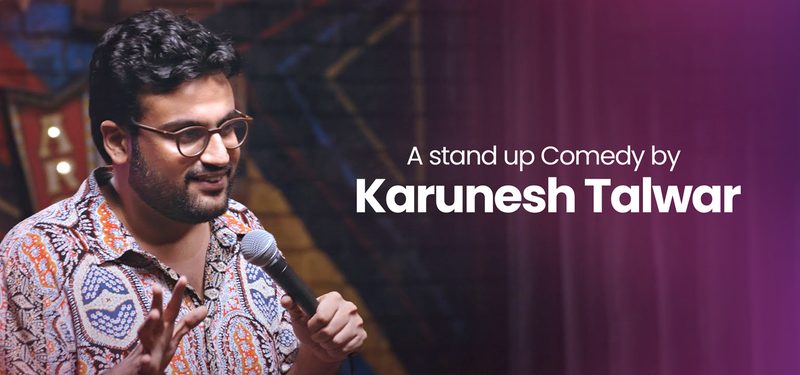
It started in cafes and bars with a microphone, a brick wall and twenty people. Two decades later, Indian stand-up comedy is big business: sold-out arena tours, streaming specials, YouTube channels with millions of subscribers and comedians commanding fees that rival film stars. How stand-up comedy became big business in India is the story of a grassroots art form that found its audience online, then converted digital fame into every revenue stream the entertainment industry offers.
The open-mic origins
Indian stand-up grew from English-language open mics in Mumbai, Delhi and Bengaluru in the late 2000s, nurtured by comedy collectives that gave newcomers stage time and audiences a regular habit. The early scene was tiny and self-funded, comedians performing for free, splitting door collections, recording sets on borrowed cameras. What it lacked in money it made up in creative freedom: comics developed distinctive voices tackling everything from middle-class absurdities to political satire.
The scene’s diversity became its strength. As Hindi and regional-language comedy grew alongside English, stand-up reached audiences far beyond the metros’ Anglophone elite. Comics performing in Hindi, Tamil, Marathi and other languages found massive audiences that mainstream entertainment had underserved, proving that funny translates across every linguistic boundary.
YouTube: the great accelerator
YouTube did for Indian comedy what it did for music: removed the gatekeepers. Comics uploaded sets, clips went viral, and subscriber counts became the new industry currency. A single viral video could transform an unknown open-micer into a national name overnight. Comedy collectives professionalised production, and brands discovered that funny people sell products.
The platform economics favoured comedy perfectly: highly shareable content, young audiences, repeat viewing. Ad revenue, brand integrations and sponsored content flowed to comics with large followings, and the most successful built production companies employing writers, editors and fellow performers. Stand-up became a content industry, not just a stage art.
Live tours and streaming specials
- Live shows: ticketed tours from clubs to arenas, the art form’s core and most lucrative format.
- Streaming specials: hour-long specials on platforms, conferring prestige and global reach.
- Corporate gigs: private performances for companies, among the highest-paying dates.
- Brand work: comics as influencers, hosts and campaign faces.
Live performance remains the economic engine. Top comics tour nationally and internationally, playing to diaspora audiences hungry for Indian humour, with ticket prices and venue sizes that would have been unimaginable a decade ago. Streaming specials added the prestige layer: an hour-long special signals arrival, reaching global audiences and cementing reputations.
Controversies and the line
Comedy’s growth brought collisions with power. Jokes about politics, religion and public figures have triggered police complaints, show cancellations and online pile-ons, forcing comics and venues to navigate an increasingly fraught environment. Some comics self-censor; others lean into the risk; all of them calculate it.
The controversies, paradoxically, proved comedy’s cultural weight: a society argues about its comedians only when comedy matters. The industry adapted with legal awareness, venue strategies and the quiet understanding that the line moves constantly.
The collectives that built the scene
Behind Indian stand-up’s boom stand the collectives that built its infrastructure. Early comedy groups organised the open mics, ran the rooms, produced the first viral videos and, crucially, created a professional ladder: open-micer to featured act to headliner, with each rung teaching stagecraft. They pooled resources for production, negotiated brand deals collectively and gave individual comics the backing of an institution. The collective model also diversified risk: when one comic faced controversy or burnout, the group endured. As the scene matured, collectives became talent incubators and production houses, developing new formats, podcasts and streaming shows. Their greatest contribution may be cultural: they proved comedy could be an industry, not just a hobby, giving thousands of aspiring comics a visible path. The solo stars get the headlines, but the collectives built the stage they stand on, one open mic at a time.
FAQs
How do Indian comedians make money? Through live ticket sales, YouTube ad revenue, brand deals, corporate shows, streaming specials and tours, stacked into diversified careers.
Can you make a living from stand-up in India? Yes, at the top levels very comfortably, though the journey from open mics to paid headliner takes years of grinding.
Why did Hindi and regional comedy grow so fast? They served vast audiences whose humour and lived experience English-language comedy did not reflect, unlocking markets far larger than the original scene.
Stand-up comedy’s rise is the entertainment industry’s great grassroots story: no studios, no star kids, just funny people, cheap mics and audiences who showed up, until the business had no choice but to follow the laughter.
Compiled by the Khabar 24h Editorial Desk from publicly available sources.

Khabar 24h Editorial Desk — our explainers are prepared by the Khabar 24h editorial team using AI-assisted research tools, and every piece is reviewed by a human editor before publishing. We do not claim original reporting: our work is turning complex topics into simple, accurate summaries. Spotted an error? Write to contact@khabar24h.com — our corrections policy aims for same-day review.
More from this author →