How Cricket Video Games Became Big Business in India
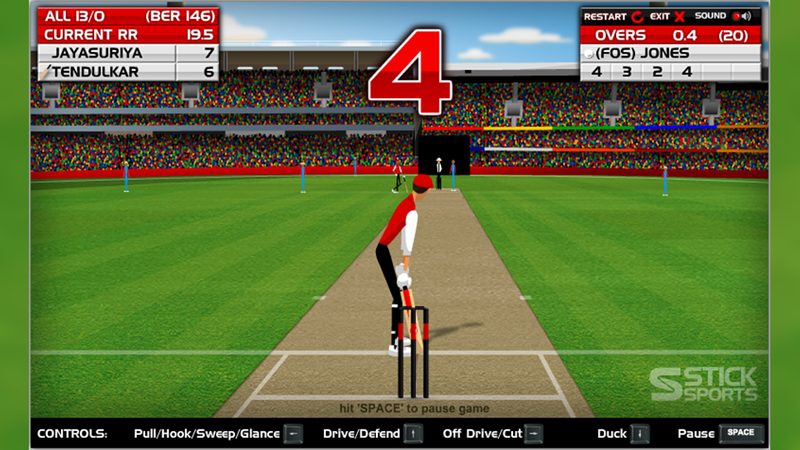
India loves cricket with a devotion no other sport commands, so it was only a matter of time before that love found its way into video games. Cricket video games have grown from simple mobile pastimes into big business, with officially licensed titles drawing tens of millions of players and generating serious revenue. How cricket video games became big business in India is the story of a sporting obsession meeting the smartphone, and of developers learning to bottle the thrill of a last-over finish.
Why cricket games were inevitable
The ingredients were all present: a sport followed by hundreds of millions, a mobile gaming boom putting game-capable phones in every pocket, and a young audience that experiences fandom interactively. Cricket’s structure suits gaming beautifully: discrete balls and overs create natural gameplay loops, statistics feed progression systems, and the sport’s dramatic formats, from five-day epics to three-hour T20 thrillers, offer varied game modes.
Early cricket games were simple affairs, but they proved the demand. As smartphones grew more powerful, developers built richer experiences: realistic batting mechanics, licensed players and teams, career modes, multiplayer leagues. Each tournament season, from domestic leagues to World Cups, sends player numbers soaring as fans download games to extend their viewing excitement into play.
How the business works
Cricket games follow the freemium mobile playbook, refined for a sports audience. Downloads are free; revenue comes from in-app purchases, cosmetic items, player packs, season passes, and advertising. Official licenses are the premium fuel: real player names, team kits and tournament branding dramatically boost downloads and spending, which is why publishers pay significant sums for them.
- Licensing: official player, team and tournament rights that make games feel authentic.
- Live events: in-game tournaments timed to real cricket seasons, driving engagement spikes.
- Multiplayer leagues: competitive modes where players represent clubs and climb rankings.
- Advertising: brands reaching cricket’s young, engaged audience inside the game.
The seasonal rhythm is the business’s heartbeat. Major tournaments trigger massive marketing pushes, special in-game events and surges of new players, which developers then work to retain through the off-season with fresh content and competitions.
Designing cricket for the touchscreen
Cricket is a complex sport to simulate, and mobile design demands simplification without losing soul. Developers distil batting to timing-based mechanics, bowling to gesture controls, fielding to quick reactions. The best cricket games find the sweet spot: accessible enough for a casual fan to enjoy in minutes, deep enough for enthusiasts to master over months.
Authenticity details matter enormously to cricket fans: realistic stadiums, accurate player likenesses, commentary that captures the sport’s rhythms, and game physics that respect how cricket actually behaves. Indian developers have learned that fans forgive simple graphics but never forgive a game that misunderstands the sport.
The competitive and cultural footprint
Cricket gaming has spawned its own competitive scene, with tournaments and content creators drawing audiences that rival traditional esports. Gaming YouTubers built around cricket titles command huge followings, and the games have become part of how young fans experience the sport: playing as their heroes between matches, debating team selections through fantasy-style mechanics.
The segment’s growth has attracted serious investment, with studios raising funding specifically to build cricket gaming franchises. As India’s gaming market matures, cricket titles are positioned as its most bankable category: the sport guarantees the audience, and the audience guarantees the business.
Riding the tournament calendar
Cricket games live and die by the real-world calendar. Developers plan their year around tournaments: special in-game events, limited-time modes and themed rewards timed to the IPL, World Cups and bilateral series. Player ratings update with real form, letting fans play with the season’s heroes at their peak. Marketing spend concentrates in these windows, when cricket fever makes user acquisition cheapest and enthusiasm highest. Between tournaments, developers fight churn with fresh content: new leagues, career mode chapters and community competitions that keep players engaged through the off-season. The most sophisticated titles sync with live matches, offering prediction games and challenges tied to ongoing series. This seasonal rhythm is both opportunity and risk: a developer that mistimes an update to a major tournament wastes the year’s biggest moment, while one that nails it can double its player base in weeks. In cricket gaming, the calendar is the strategy.
FAQs
Are cricket video games popular outside India? They have strong followings across South Asia, the UK, Australia and other cricket-playing nations, but India is by far the largest market.
Do cricket games use real player names? Licensed titles do, through agreements with players, boards and leagues. Unlicensed games use fictionalised names to avoid legal issues.
Why are most cricket games mobile rather than console? Because India’s gaming audience is overwhelmingly mobile. Developers build for the devices players actually own.
Cricket video games turned spectatorship into participation: for millions of fans, the match no longer ends with the broadcast, it continues in their palms.
Compiled by the Khabar 24h Editorial Desk from publicly available sources.
Related stories
View all →
Abe Laboriel Jr. Debuts on Drums With Pearl Jam
Pearl Jam surprised fans at the Ohana Festival on Friday by bringing out a new drummer: longtime Paul McCartney drummer Abe Laboriel…

New ‘Werwulf’ Trailer Arrives on September Full Moon
Focus Features has released a second trailer for Werwulf, Robert Eggers’ medieval werewolf film, timed to the September full moon. The new…

Coyote vs. Acme Qualifies for Animated Feature Oscar
The film Warner Bros. once planned to shelve has crossed $100 million at the worldwide box office and may now compete for…

Khabar 24h Editorial Desk — our explainers are prepared by the Khabar 24h editorial team using AI-assisted research tools, and every piece is reviewed by a human editor before publishing. We do not claim original reporting: our work is turning complex topics into simple, accurate summaries. Spotted an error? Write to contact@khabar24h.com — our corrections policy aims for same-day review.
More from this author →