How Esports Became a Career in India: The Rise of Competitive Mobile Gaming
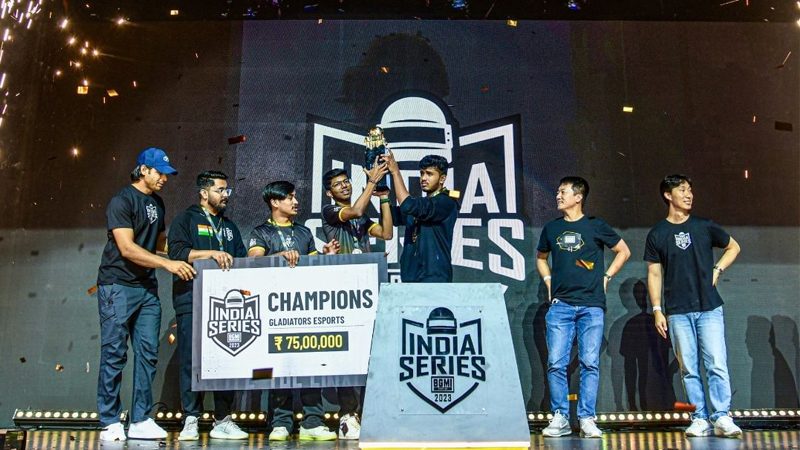
A decade ago, telling Indian parents that playing video games could be a career would have ended the conversation. Today, esports athletes in India earn salaries, sign sponsorships, represent organisations and compete for prize pools worth crores, cheered by millions of fans. How esports became a career in India is the story of the smartphone revolution meeting competitive instinct: a mobile-first gaming nation that turned its favourite pastime into a profession.
Why mobile gaming changed everything
India skipped the console and PC gaming eras that built esports elsewhere. Expensive hardware and poor internet kept competitive gaming a niche hobby for years. The smartphone changed the equation overnight: cheap data, affordable devices and free-to-play battle royale games put competitive gaming in hundreds of millions of pockets. Suddenly the player base was not thousands but tens of millions, and where players gather, competition follows.
Mobile esports titles built for Indian conditions, low device requirements, short match formats suited to on-the-go play, became national phenomena. College tournaments, city qualifiers and online ladders created a grassroots competitive pyramid. For the first time, a teenager in a small town could plausibly dream of going pro without owning anything more expensive than a phone.
How the pro ecosystem works
Professional esports in India is organised around teams, or organisations, that sign rosters of players much like sports clubs. Players receive monthly salaries, housing in gaming houses, coaching, and a share of prize winnings. Organisations earn through sponsorships, content creation and merchandise, with the biggest names operating as full-fledged media companies.
- Players: salaried athletes who train daily, specialising in specific game roles.
- Organisations: teams that employ players, secure sponsors and build fan brands.
- Tournament organisers: companies running leagues and cups with prize pools.
- Publishers: game makers whose titles and official circuits anchor the ecosystem.
The tournament circuit ranges from open online qualifiers anyone can enter to invitation-only LAN finals played on stage before live audiences. Prize pools for major Indian tournaments run into crores, and international events offer Indian teams a shot at global glory and far larger winnings.
How players actually earn
Tournament winnings are only part of the picture. Salaried contracts provide stability; sponsorships and brand deals reward popularity; streaming and content creation often out-earn competitive play itself, as star players build YouTube and social audiences in the millions. The most successful esports athletes are entertainers as much as competitors, monetising personality alongside skill.
Careers are short at the top, reflexes and game metas evolve fast, but the ecosystem now offers second acts: coaching, casting and commentary, team management, content creation. What began as a precarious gamble is developing the career ladders of a mature industry.
Recognition and the road ahead
Esports’ journey toward legitimacy hit milestones with its inclusion in multi-sport events and growing government recognition of competitive gaming. These steps matter practically: they ease parental scepticism, attract institutional sponsors and open doors to sports infrastructure. Challenges remain, from the need for stable game titles, a single publisher decision can upend careers, to concerns about gaming addiction and the lack of player protections.
Yet the trajectory is unmistakable. India has the players, the audience and the mobile infrastructure; what it is building now is the institutional depth, leagues, academies, contracts, that turns a boom into an industry. The career that once sounded like a joke is becoming one of the country’s most aspirational professions for its youth.
How families are coming around
The biggest shift in Indian esports may be happening in living rooms. As prize money, salaries and sponsorships became visible and verifiable, parental scepticism began to soften: gaming transformed from a waste of time into a plausible profession with real pay slips. Schools and colleges now host esports tournaments, some offering athletic-style recognition to champion players. Career counsellors, once bewildered by the question, increasingly treat competitive gaming as a legitimate aspiration alongside sports and entertainment. Organisations help by professionalising the pitch: contracts, fixed salaries, education support and defined career paths reassure families that this is employment, not gambling. The cultural battle is not fully won, concerns about screen time and academic balance persist, but the direction mirrors every entertainment profession’s journey from disrepute to respectability, just compressed into a single decade.
FAQs
How much do Indian esports players earn? Top players earn lakhs per month from salaries, plus prize shares, sponsorships and streaming income that can take annual earnings well into crores for the biggest stars.
What games dominate Indian esports? Mobile battle royale and multiplayer titles lead, reflecting India’s mobile-first gaming base, alongside growing scenes in PC and console games.
Is esports recognised as a sport in India? Recognition has grown significantly, with esports featuring in major multi-sport events and increasing official acknowledgement, though the regulatory landscape continues to evolve.
Esports in India proves that careers follow attention: hundreds of millions of mobile gamers created an audience, the audience created an industry, and the industry is now creating professionals.
Compiled by the Khabar 24h Editorial Desk from publicly available sources.

Khabar 24h Editorial Desk — our explainers are prepared by the Khabar 24h editorial team using AI-assisted research tools, and every piece is reviewed by a human editor before publishing. We do not claim original reporting: our work is turning complex topics into simple, accurate summaries. Spotted an error? Write to contact@khabar24h.com — our corrections policy aims for same-day review.
More from this author →