How Animation Studios Create Mythology Shows for Indian Television
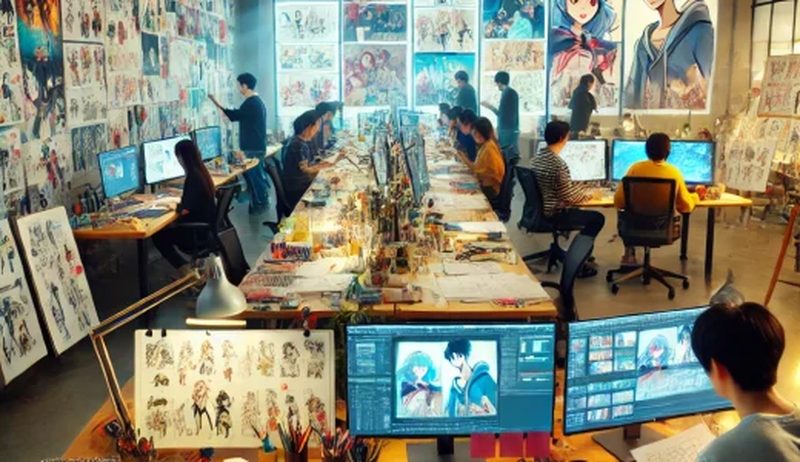
Every morning, in homes across India, children watch gods and demons battle across their screens: Hanuman leaping across oceans, Krishna outwitting tyrants, Arjuna drawing his bow. Mythology animation has become a staple of Indian children’s television, and behind it stands a specialised industry. How animation studios create mythology shows for Indian television is a story of ancient stories meeting modern pipelines, of reverence meeting deadlines, and of artists who must satisfy both broadcasters and believers.
Why mythology dominates kids’ animation
The logic is commercial as much as cultural. The Ramayana, Mahabharata and Puranic tales offer what every children’s programmer wants: vast story universes, clear heroes and villains, moral lessons parents approve of, and characters children already know by name. For studios, mythology means freedom from building awareness from scratch; for broadcasters, it means content that satisfies both ratings and parental trust.
The challenge is reverence. These are not just stories; they are sacred narratives for millions of viewers. Studios navigate this with care: consulting cultural experts, avoiding irreverent comedy at the divine characters’ expense, and treating the source material with visible respect. Creative liberty is taken with side characters and comic relief, rarely with the gods themselves.
How the shows get made
Production follows the standard animation pipeline, adapted for television’s relentless schedules. Writers break the epics into episode arcs, often focusing on self-contained adventures rather than the full sprawling narrative. Character designers create model sheets that lock each god, demon and hero into a consistent, appealing look: divine enough to inspire awe, friendly enough for children. Storyboard artists map every episode shot by shot.
- Pre-production: scripts, character designs, background art and animatics approved before animation begins.
- Production: 2D or 3D animation, increasingly 3D for its cinematic feel, produced to tight television timelines.
- Post-production: voice recording in multiple languages, music, sound design and final delivery.
Budgets are a fraction of feature animation’s, so efficiency rules: reusable rigs, asset libraries of backgrounds and props, and animation styles designed to look rich while remaining producible at volume. A studio might deliver dozens of episodes a year, a pace that demands industrial discipline.
The multilingual imperative
Indian children’s content lives or dies on dubbing. A mythology series is typically produced in Hindi and then dubbed into Tamil, Telugu, Malayalam, Kannada, Bengali, Marathi and English, multiplying its audience many times over. Voice casting for divine characters carries special weight: the voice of Krishna or Hanuman becomes definitive for a generation of children, and studios cast accordingly.
Music is equally crucial. Catchy title songs and devotional-tinged background scores give the shows their emotional texture, and composers work within a tradition that stretches back to the beloved mythological television of earlier decades. Nostalgia is a feature: parents who grew up on live-action epics feel the continuity.
The business of divine content
Mythology animation is funded through broadcaster commissions, with studios paid per episode or per season. Success brings merchandising: toys, books, apparel and games featuring the show’s character designs. The most successful properties become franchises spanning television, films and digital platforms.
Competition is intensifying as streaming platforms commission their own animated mythology, often with bigger budgets and cinematic ambitions. Television studios are responding with higher production values and original mythological creations that go beyond retelling the epics, inventing new divine adventures for characters audiences love.
From television to films and games
Mythology animation is outgrowing its television roots. Studios are now developing animated mythological films for theatrical release with significantly bigger budgets and cinematic ambition, betting that family audiences will turn divine stories into event cinema. Mobile games based on animated mythology properties let children play as their favourite gods and heroes, extending franchises into interactive entertainment. YouTube has become a parallel universe of mythological animation, with studios producing web-first series that reach audiences far beyond television’s footprint. Merchandising ties it all together: toys, books, apparel and school supplies featuring show character designs. The most ambitious studios now think in terms of universes rather than shows, planning television series, films, games and digital content as interconnected chapters of a single expanding mythology, built to grow with the children who love it.
FAQs
Why are most Indian kids’ shows mythological? Familiar characters, parental approval, moral content and built-in story universes make mythology the safest and most rewarding bet for children’s programming.
Are these shows 2D or 3D? Both exist, but 3D CGI has become dominant for television mythology, offering a cinematic look that competes with international content.
How do studios handle religious sensitivity? Through cultural consultants, careful writing that respects the source texts, and creative restraint around divine characters, keeping humour and invention to supporting roles.
Mythology animation keeps India’s oldest stories young: every morning’s episode is a small act of cultural transmission, drawn, voiced and rendered by artists who grew up on the same tales.
Source: Animation Magazine

Khabar 24h Editorial Desk — our explainers are prepared by the Khabar 24h editorial team using AI-assisted research tools, and every piece is reviewed by a human editor before publishing. We do not claim original reporting: our work is turning complex topics into simple, accurate summaries. Spotted an error? Write to contact@khabar24h.com — our corrections policy aims for same-day review.
More from this author →