How Production Designers Build Film Worlds on Indian Budgets
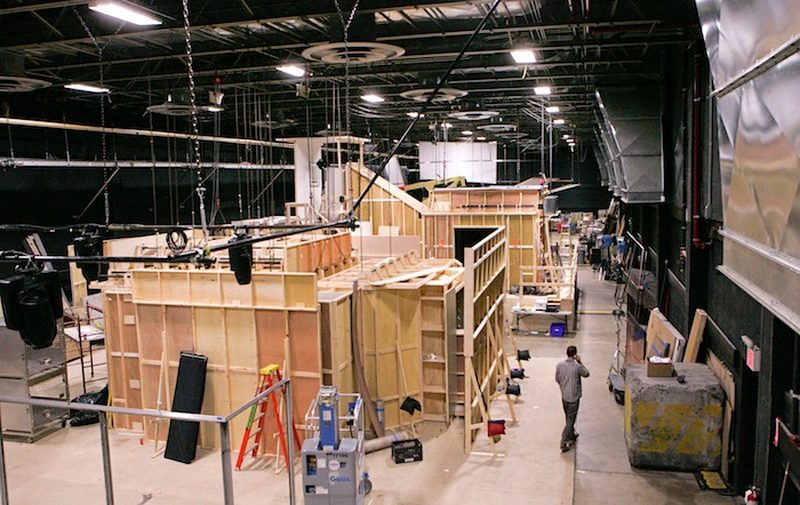
Long before a single frame is shot, the world of a film exists as sketches, models and swatches in the production designer’s studio. Production designers are the architects of cinematic illusion, responsible for every physical environment the audience sees: the palaces, streets, homes, offices and battlefields that make a story believable. On Indian budgets, which rarely match Hollywood’s spending power, they perform this magic through ingenuity, resourcefulness and an deep understanding of what the camera actually sees.
How a film’s world gets designed
It begins with the script and long conversations with the director. The designer breaks down every location, deciding what will be found on real locations, what will be built as sets, and what will be extended digitally. Concept artists produce sketches and digital paintings; model makers build miniatures; the designer assembles look-books of colours, textures and architectural references. For a period film, this means months of research into the era’s architecture, crafts and materials; for a fantasy, it means inventing a coherent visual logic from scratch.
Budget discipline shapes every decision. Indian designers become experts at the economics of illusion: knowing which parts of a set the camera will actually see, and concentrating money there while the unseen backs of walls are bare scaffolding. A palace courtyard might be fully built only on two sides, with the rest completed by visual effects. This is not corner-cutting; it is the professional core of the craft, spending where the audience looks.
From drawing to construction
Once designs are approved, construction crews take over: carpenters, welders, plasterers, painters and sculptors who can build a street, a village or a spaceship interior in weeks. Indian film construction teams are justly famous for their speed and skill, working around the clock to meet shooting schedules. Materials are chosen for how they photograph, not how they last: painted thermocol that reads as marble, textured plaster that reads as ancient stone, clever paint treatments that age a brand-new wall by centuries.
- Research: historical, architectural and cultural reference gathering for authenticity.
- Design: sketches, 3D models and technical drawings approved by the director.
- Construction: set building by specialised crews, often against brutal deadlines.
- Dressing: furniture, props, fabrics and details that make the space feel lived-in.
Set dressing is where worlds come alive. A bare room becomes a character’s home through the right furniture, the right clutter, the right wear on the walls. Dressers think like detectives of domestic life: what would this person own, how would they arrange it, what would be worn out and what carefully preserved?
Working with VFX and real locations
Modern production design is a hybrid craft. Designers now plan sets hand-in-hand with VFX supervisors, building physical foregrounds that blend seamlessly into digital extensions. A partially built temple might soar to impossible heights through digital matte work; a real street might be extended into a full historical city. The designer’s eye governs both halves, ensuring the digital and physical share the same light, texture and logic.
Real locations bring authenticity no set can match, but they bring constraints: permissions, crowds, weather, the inability to move walls. Designers scout relentlessly across India, finding villages, forts, palaces and streets that can stand in for the script’s world, then adapt them with dressing and minor construction. The best location work is invisible: the audience never suspects the 16th-century palace was a heritage hotel dressed for three weeks.
FAQs
What is the difference between a production designer and an art director? The production designer creates the overall visual concept of the film’s environments; art directors and their teams execute it, managing construction, dressing and the art department’s daily operations.
How much of a big Indian film’s budget goes to sets? It varies enormously, but on large period or fantasy productions, physical production including sets can consume a very large share of the budget, which is why planning is so critical.
Are sets reused between films? Sometimes. Studios and production houses maintain warehouses of furniture, props and set pieces that are redressed and reused, a quiet economy that keeps costs manageable.
Production designers build the worlds that stories inhabit, and they do it under budgets and deadlines that would defeat most architects: every believable room on screen is a small triumph of imagination over constraint.
Source: Architectural Digest India

Khabar 24h Editorial Desk — our explainers are prepared by the Khabar 24h editorial team using AI-assisted research tools, and every piece is reviewed by a human editor before publishing. We do not claim original reporting: our work is turning complex topics into simple, accurate summaries. Spotted an error? Write to contact@khabar24h.com — our corrections policy aims for same-day review.
More from this author →