How Cinematographers Light Indian Films: The Craft Behind the Camera
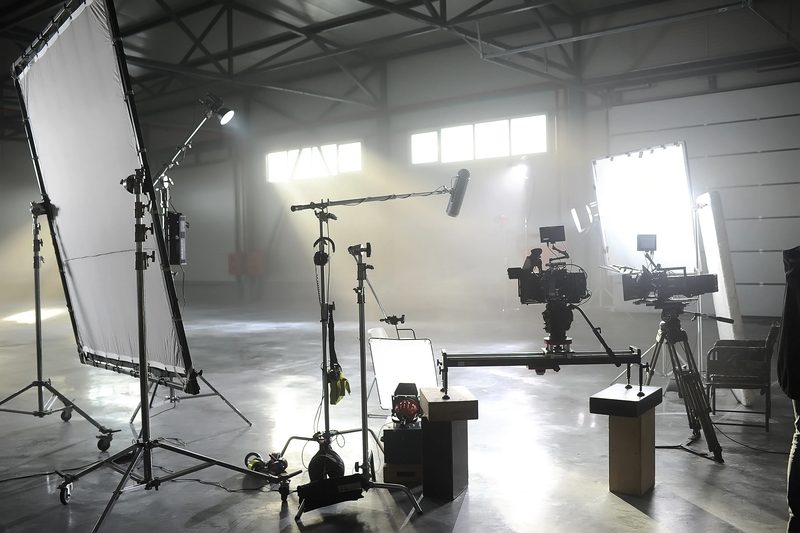
Every unforgettable image in Indian cinema, the sun blazing behind a hero’s entrance, the soft glow of a romantic song, the harsh shadows of a crime drama, began as a decision made by the cinematographer. The director of photography is the film’s visual author, translating the story into light, colour, lenses and camera movement. In an industry famous for its visual richness, cinematographers are the craftspeople who decide what the audience actually sees, and how it makes them feel.
How lighting tells the story
Lighting is the cinematographer’s primary language. Soft, diffused light flatters faces and suggests romance or nostalgia; hard, contrasty light creates drama and menace; natural, available light grounds a film in realism. Indian cinematographers are masters of all three registers, often within a single film. A mainstream production might demand glamorous song lighting one week and gritty realistic night exteriors the next, and the cinematographer must switch visual dialects without the film feeling disjointed.
The Indian climate is both a gift and a challenge. The harsh midday sun that bleaches colours out of the frame forces careful scheduling: exteriors are typically shot in the golden hours after dawn and before dusk, when the light is warm and sculptural. Monsoon shoots bring their own drama, overcast skies that act as a giant softbox, rain that must be lit to read on camera. Great cinematographers do not fight these conditions; they compose with them.
Choosing lenses, cameras and movement
Lens choice shapes psychology. Wide lenses exaggerate space and energy, ideal for spectacle and song sequences; long lenses compress distance and isolate faces, perfect for intimate emotion. Modern Indian productions shoot on high-end digital cameras capable of extraordinary low-light sensitivity and resolution, but the choice of camera matters less than how it is used. Many cinematographers still think in terms of film grammar: motivated camera movement, deliberate composition, restraint in the age of the gimbal.
Camera movement has its own emotional vocabulary. A slow push-in builds intimacy or dread; a sweeping crane shot delivers grandeur; handheld shake injects urgency and realism. Indian song sequences, with their elaborate choreography across spectacular locations, demand some of the most complex camera choreography in world cinema: cranes, drones, cable cams and Steadicams weaving through dancers in single unbroken takes.
Lighting a song vs lighting a drama
- Song sequences: high-key glamour lighting, saturated colours, elaborate practical sources, often shot across multiple locations and days that must match seamlessly.
- Intimate drama: motivated, naturalistic light from windows and practicals, with shadows allowed to fall where they may.
- Action and spectacle: large-scale night lighting with massive rigs, balancing exposure across huge sets and stunts.
The ability to move between these modes is what distinguishes Indian cinematographers. A period epic might require candlelit interiors that feel authentic yet expose faces beautifully; a contemporary thriller might demand the cold, desaturated palette of urban nights. Each choice is a storytelling decision disguised as a technical one.
Collaboration on set
The cinematographer leads the camera, lighting and grip departments, often commanding crews of dozens. The relationship with the director is the film’s central creative partnership: the director describes the feeling, the cinematographer proposes how to photograph it. Great partnerships, and Indian cinema has many legendary ones, produce a consistent visual signature across films.
Pre-production is where the look is born: location scouts at different times of day, lighting tests, lens tests, colour palette discussions with the production designer and costume designer. By the time the shoot begins, the cinematographer has already shot the film in their head. The set is where that vision meets reality, weather, and the clock.
FAQs
What does a director of photography actually do? They design the film’s visual look: lighting, camera work, lenses, colour and composition, leading the departments that execute it, in service of the director’s story.
Why do Indian films look so colourful? Partly cultural affinity for vibrant visuals, partly the demands of song sequences and festive storytelling. But many Indian cinematographers also work in deliberately muted, naturalistic palettes when the story calls for it.
Has digital replaced film in India? Almost entirely for mainstream production. Digital cameras dominate for their flexibility and cost, though a few filmmakers still shoot on film for its distinctive texture.
The next time a frame takes your breath away, look past the stars in it to the artist behind the camera: the cinematographer painted that image with light, and every shadow was a choice.
Source: American Cinematographer

Khabar 24h Editorial Desk — our explainers are prepared by the Khabar 24h editorial team using AI-assisted research tools, and every piece is reviewed by a human editor before publishing. We do not claim original reporting: our work is turning complex topics into simple, accurate summaries. Spotted an error? Write to contact@khabar24h.com — our corrections policy aims for same-day review.
More from this author →