How Recommendation Algorithms Decide What You Watch on Indian Streaming Apps
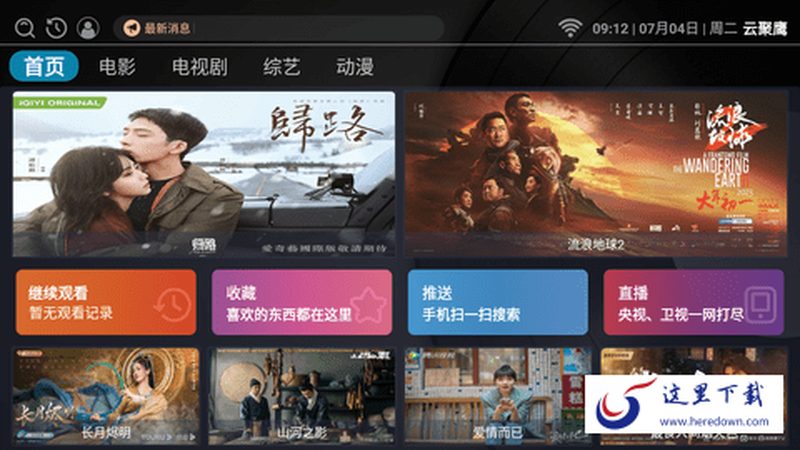
The row of thumbnails on your streaming home screen feels personal, almost intuitive — as if the app knows your taste. It does, in a sense: behind that screen sits one of the most sophisticated recommendation systems in consumer technology, processing billions of viewing events to decide what to show you next. On Indian streaming apps, where catalogues span a dozen languages and hundreds of millions of viewers, the algorithm is not a feature — it is the primary way content gets discovered at all.
What the algorithm actually optimises
Recommendation systems do not optimise for what you would rate highly; they optimise for what keeps you watching. The key metrics are engagement: will you click this thumbnail, will you watch past the first ten minutes, will you finish the series, will you return tomorrow? Every suggestion is a prediction about your behaviour, scored and ranked in milliseconds.
This creates a subtle but important distinction. The algorithm is not your friend recommending a favourite film — it is a system maximising the probability you stay on the platform. Content that is merely good but slow to hook viewers may be recommended less than content engineered to grab attention instantly, which is one reason platforms and creators alike obsess over opening episodes.
How the predictions are made
Modern recommenders combine several techniques. Collaborative filtering finds viewers whose tastes resemble yours and suggests what they watched — “people like you also enjoyed.” Content-based filtering analyses the attributes of what you watch (genre, cast, language, mood) and finds similar titles. Deep learning models blend these signals with context: time of day, device, viewing history, even how long you hovered over a thumbnail without clicking.
The signals the algorithm reads:
- Watch history: what you finished, abandoned, rewatched or binged.
- Implicit feedback: pauses, rewinds, skips and session length.
- Explicit feedback: likes, ratings, watchlist additions.
- Context: device, time of day, and viewing patterns.
- Similar users: behaviour of viewers with matching taste profiles.
Thumbnails themselves are personalised: the same film may show you an action-packed image and show another viewer a romantic one, depending on which is predicted to earn your click. This artwork personalisation is tested relentlessly — small changes in imagery measurably move viewing.
The Indian complications
India’s diversity makes recommendation uniquely challenging. A viewer in Hyderabad may watch Telugu films, Hindi series and English documentaries in the same week; the algorithm must model multilingual taste without muddling it. New users with no history — the “cold start” problem — are common in a market still adding first-time streamers by the millions; platforms handle this with onboarding quizzes, regional defaults and trending rows. Shared accounts, where a family of five uses one profile, further confuse the signal, which is why kids’ profiles and individual profiles matter technically, not just as features.
Language handling is particularly delicate. Recommend too narrowly and the viewer never discovers content from other languages; recommend too broadly and the home screen feels irrelevant. The best systems learn each user’s personal language portfolio and expand it gradually.
The consequences nobody planned
Recommendation shapes culture, not just consumption. Algorithmic promotion can make or break a release: a title the system pushes to millions of home screens gets a massive sampling advantage over one it buries. Creators have noticed, and content is increasingly designed to be “algorithm-friendly” — strong hooks, clear genres, bingeable structures. Critics worry about filter bubbles, where viewers are fed ever-narrower slices of what they already like, though platforms counter that discovery rows and trending lists deliberately inject variety.
There is also the question of fairness: independent and regional content competes for algorithmic attention against big-budget originals the platform has financial incentives to promote. How platforms balance commercial priorities with genuine personalisation remains one of streaming’s least transparent practices.
FAQs
Why do two people see different home screens? Because recommendations are personalised from each account’s viewing history, preferences and behaviour — the home screen is generated for you, not broadcast to everyone.
Can I improve my recommendations? Yes — rate titles, maintain a watchlist, use separate profiles for different viewers, and avoid letting others watch on your profile, which pollutes the signal.
Do platforms promote their own originals more? Platforms have commercial incentives to push originals, and creators widely believe algorithmic promotion favours them — though the exact weighting is proprietary and undisclosed.
The recommendation algorithm is the invisible editor of Indian streaming — deciding not just what you watch tonight, but which stories get seen at all. Understanding that your home screen is engineered, not curated, is the first step toward watching deliberately in an age of algorithmic persuasion.
Compiled by the Khabar 24h Editorial Desk from publicly available sources.

Khabar 24h Editorial Desk — our explainers are prepared by the Khabar 24h editorial team using AI-assisted research tools, and every piece is reviewed by a human editor before publishing. We do not claim original reporting: our work is turning complex topics into simple, accurate summaries. Spotted an error? Write to contact@khabar24h.com — our corrections policy aims for same-day review.
More from this author →