How Film Dubbing Works: Voice Artists, Lip-Sync and Multilingual Releases in India
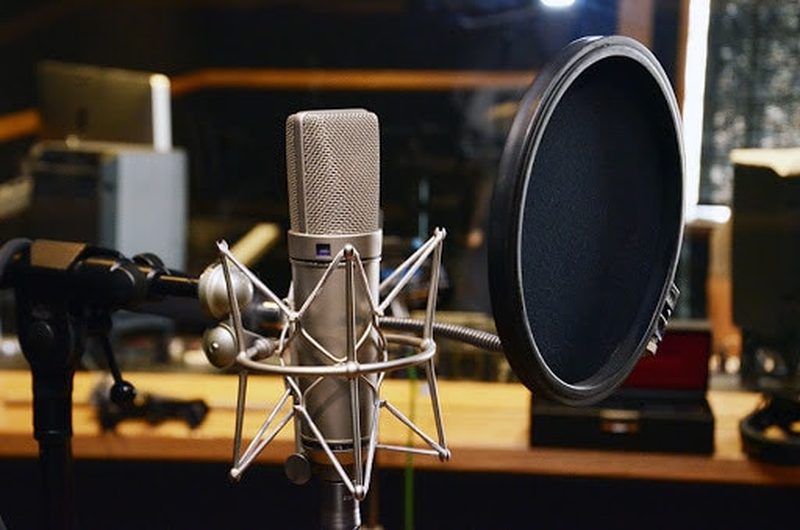
When a Telugu blockbuster plays in Hindi to packed houses in Mumbai, or a Hollywood spectacle releases in Tamil on the same day as its global premiere, audiences hear seamless dialogue in their own language — never suspecting the months of invisible labour behind it. Film dubbing in India is a specialised craft with its own stars, studios and techniques, and as multilingual releases become the industry’s growth engine, the dubbing studio has become one of the most important rooms in Indian cinema.
The scale of the dubbing industry
India’s linguistic diversity makes dubbing a necessity, not a luxury. Films routinely release in five or six languages simultaneously: the original plus Hindi, Tamil, Telugu, Malayalam and Kannada dubs, with English subtitles as standard. Pan-India releases — the industry’s biggest commercial strategy — depend entirely on quality dubbing; a poorly dubbed version can sink a film in an entire language market. Hollywood studios, recognising India’s box office potential, now dub major releases into Hindi, Tamil and Telugu with the same care they give the original.
Dubbing centres cluster in Mumbai, Hyderabad, Chennai and Kochi, each serving its language market with dedicated studios, voice talent pools and directors. The work is year-round: theatrical films, streaming originals, animated features and even video games all pass through these rooms.
The people in the booth
A dubbing session involves three key figures. The voice artist performs the dialogue, matching the on-screen actor’s emotion, energy and timing — often without ever meeting them. The dubbing director oversees the performance, ensuring the dubbed lines carry the scene’s intent and fit the character. The sound engineer records, edits and syncs the takes, aligning every syllable to the actor’s lip movements.
Voice artists are the unsung stars of the industry. The best are chameleons, voicing heroes in one film and villains in the next, and some have dubbed the same Hollywood star across dozens of films, becoming the “official” Hindi or Tamil voice audiences associate with that actor. Unlike playback singers, they remain largely anonymous — their faces unknown, their voices famous. Lip-sync is the craft’s central discipline: the dubbed dialogue must match the visible mouth movements closely enough that the audience never notices the artifice, a constraint that shapes every translated line.
How a dub is actually made
The process begins with translation and adaptation. A literal translation rarely works — the adaptor must rewrite dialogue so it sounds natural in the target language, carries the same meaning and emotion, and roughly matches the timing and lip movements of the original. This is creative writing under engineering constraints, and skilled adaptors are prized.
The production pipeline:
- Translation and adaptation: dialogue rewritten for natural flow and lip-sync compatibility.
- Casting: voice artists matched to each character’s age, personality and star persona.
- Recording: artists perform line by line in the booth, directed for emotion and timing.
- Syncing and mixing: takes are aligned to picture and blended with music and effects.
- Quality check: the full dubbed version is reviewed for sync errors and performance dips.
Artists typically record alone in the booth, performing against the picture without scene partners — which makes ensemble scenes, with their overlapping dialogue and shared energy, particularly demanding to reconstruct.
Why dubbing quality decides box office
Audiences forgive many things but not a bad dub. Wooden voice acting, mismatched casting, or dialogue that visibly fights the lip movements breaks immersion instantly — and in the age of social media, a mocked dubbing job becomes a meme that can damage a film’s prospects. Conversely, a superb dub disappears: viewers forget they are watching a translated film, which is exactly the point. Producers of pan-India releases now invest in dubbing quality as seriously as in visual effects, hiring known voice talent and allowing proper schedules instead of rush jobs.
The economics reflect this. A-list dubbing artists command significant fees, prime studio time is booked months ahead for major releases, and the dubbing budget for a big multilingual release runs into crores. It is money well spent: in several recent cases, the Hindi dubbed version of a South Indian film out-earned many original Hindi releases.
FAQs
Do actors dub their own films in other languages? Occasionally, if they speak the language — some stars dub themselves in two or three languages. Usually, professional voice artists handle the other versions.
What is the hardest part of dubbing? Lip-sync combined with natural dialogue — the translated line must mean the right thing, sound like something a person would actually say, and match the actor’s mouth movements, all at once.
How long does dubbing a feature film take? Typically two to four weeks per language for recording and mixing, though major releases allow longer for casting and quality control.
Dubbing is Indian cinema’s invisible performance art — the reason a film made in one language can conquer five more. The voices in the booth will never take a bow on stage, but without them, the pan-India blockbuster as we know it would not exist.
Compiled by the Khabar 24h Editorial Desk from publicly available sources.
Related stories
View all →
Abe Laboriel Jr. Debuts on Drums With Pearl Jam
Pearl Jam surprised fans at the Ohana Festival on Friday by bringing out a new drummer: longtime Paul McCartney drummer Abe Laboriel…

New ‘Werwulf’ Trailer Arrives on September Full Moon
Focus Features has released a second trailer for Werwulf, Robert Eggers’ medieval werewolf film, timed to the September full moon. The new…
Coyote vs. Acme Qualifies for Animated Feature Oscar
The film Warner Bros. once planned to shelve has crossed $100 million at the worldwide box office and may now compete for…

Khabar 24h Editorial Desk — our explainers are prepared by the Khabar 24h editorial team using AI-assisted research tools, and every piece is reviewed by a human editor before publishing. We do not claim original reporting: our work is turning complex topics into simple, accurate summaries. Spotted an error? Write to contact@khabar24h.com — our corrections policy aims for same-day review.
More from this author →