How OTT Platforms Make Money in India: Subscriptions, Ads and Bundles Explained
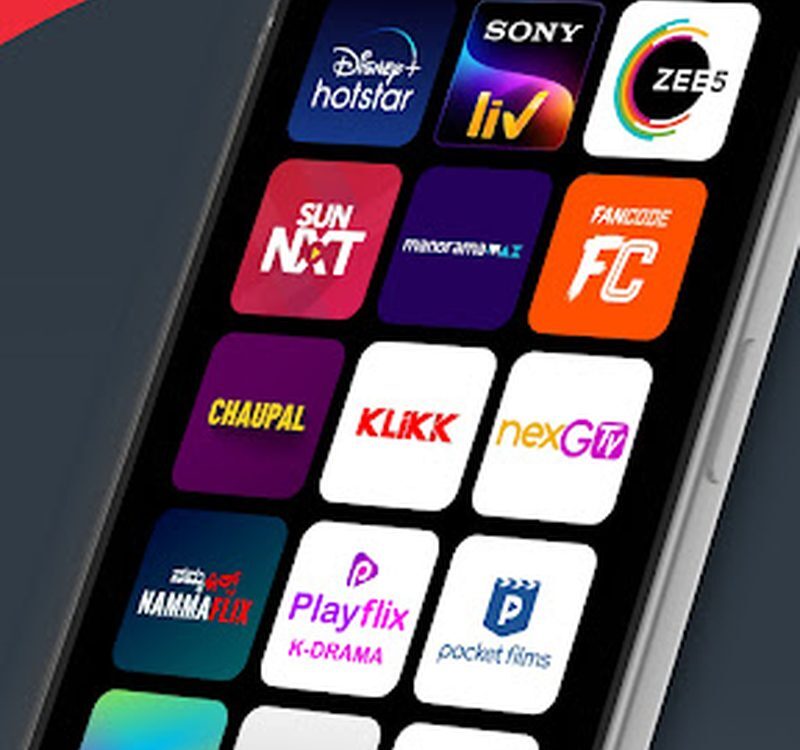
India’s streaming market looks like a consumer paradise: dozens of platforms, aggressive pricing, free tiers everywhere. Behind the low prices lies a hard business question — how does anyone make money selling entertainment this cheap? The answer is that Indian OTT platforms do not rely on a single revenue stream. They run three engines simultaneously — subscriptions, advertising and bundling — and the mix differs for every player. Understanding that mix explains nearly every strategic move in Indian streaming.
Engine one: subscriptions (SVOD)
Subscription video on demand is the classic Netflix model: viewers pay a recurring fee for ad-free access to the catalogue. In India, SVOD faces a brutal constraint — price sensitivity. Where American viewers pay 15 dollars a month without blinking, Indian platforms charge a fraction of that, with mobile-only plans designed to fit prepaid budgets. The result is that India has among the world’s largest streaming audiences but among the lowest average revenue per user.
To make SVOD work at Indian prices, platforms chase scale relentlessly. A platform needs tens of millions of paying subscribers for the maths to work, because content costs — especially premium originals and sports rights — are incurred in full while each subscriber contributes only a small monthly sum. Annual plans, discounted heavily against monthly rates, are pushed hard because they lock in commitment and reduce churn, the industry’s constant enemy.
Engine two: advertising (AVOD)
Advertising-supported streaming is arguably the more natural model for India, where the television audience was raised on free, ad-funded entertainment. AVOD platforms offer content free or very cheap, monetising through video ads sold to brands. India’s digital advertising market has grown rapidly, and streaming inventory — premium, measurable, targeted — commands strong rates.
The hybrid model now dominates: most major platforms offer both a free ad-supported tier and paid ad-free plans, letting users self-select. Advertisers get reach among cord-cutters; platforms get two revenue streams from one catalogue. Live sports has supercharged AVOD in India — marquee cricket tournaments streamed free with ads have drawn audiences in the hundreds of millions, demonstrating that advertising can fund even the most expensive content rights when the scale is large enough.
The three revenue engines compared:
- Subscriptions (SVOD): recurring fees, ad-free viewing; needs massive scale at Indian price points.
- Advertising (AVOD): free or cheap access funded by brands; thrives on huge audiences and live sports.
- Bundling: streaming included with telecom, broadband or device plans; acquires users at near-zero cost.
Engine three: bundling and partnerships
The third engine is uniquely powerful in India: distribution through bundles. Telecom operators package streaming subscriptions with mobile recharge plans; broadband providers bundle OTT with internet connections; smart TV makers pre-install apps. For the platform, bundling means subscriber acquisition at a fraction of the normal marketing cost — the telecom partner does the selling. For the telecom company, premium content reduces churn on its core connectivity business.
Some of India’s largest streaming subscriber bases were built almost entirely on bundles rather than direct subscriptions. The economics work because the wholesale price the platform accepts from a telecom partner is low, but the volume is enormous and the subscribers arrive without advertising spend. Bundled users also convert: a viewer who samples a platform free with their recharge plan may later become a direct paying subscriber.
The cost side: where the money goes
Revenue is only half the story. OTT platforms spend ferociously on three things: content (originals, licensed films, and above all sports rights, where cricket auctions have reached staggering sums), technology (streaming infrastructure, apps, recommendation systems), and marketing. Content amortisation is the key accounting concept — a 100-crore series is not expensed in one quarter but spread over its useful life, which is why platforms can show accounting losses for years while building a library of lasting value.
Profitability in Indian streaming is therefore a scale game with a long runway. Platforms accept losses while building subscriber bases, betting that at sufficient scale — tens of millions of paying users plus large ad-supported audiences — the three engines together will cover content costs and generate surplus. Consolidation, price increases and password-sharing crackdowns are all levers platforms pull as they move from growth to monetisation.
FAQs
Why are Indian OTT subscriptions so cheap? Extreme price sensitivity and intense competition force low prices; platforms compensate with enormous subscriber volumes, advertising revenue and telecom bundling.
What is the difference between SVOD and AVOD? SVOD (subscription video on demand) charges viewers a fee for ad-free access; AVOD (advertising-based video on demand) offers content free or cheap, funded by ads.
Do free cricket streams make money? Yes, when audiences reach hundreds of millions — advertisers pay premium rates for that scale, and the platform gains users it can later convert to paid plans.
Indian streaming runs on a three-engine model because no single engine is powerful enough on its own at Indian prices. Subscriptions provide stability, advertising provides scale, and bundling provides growth — and the platforms that balance all three are the ones built to last.
Compiled by the Khabar 24h Editorial Desk from publicly available sources.

Khabar 24h Editorial Desk — our explainers are prepared by the Khabar 24h editorial team using AI-assisted research tools, and every piece is reviewed by a human editor before publishing. We do not claim original reporting: our work is turning complex topics into simple, accurate summaries. Spotted an error? Write to contact@khabar24h.com — our corrections policy aims for same-day review.
More from this author →