How Film Distributors Work: The Middlemen Between Studios and Cinemas in India
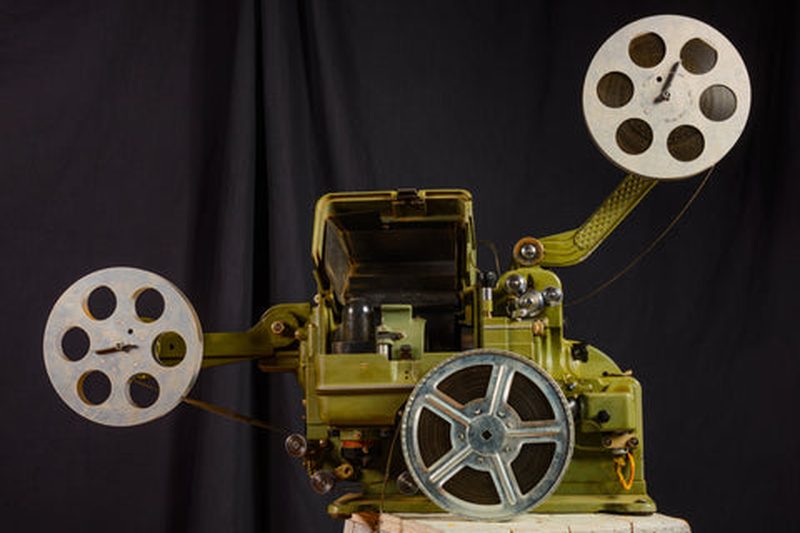
Between the studio that makes a film and the cinema that shows it stands a figure the audience never sees but the industry cannot function without: the distributor. In India, film distribution is a territory-based business run by regional operators who buy the rights to release a film in their area, negotiate with hundreds of theatres, advance the money for local publicity, and collect the box office returns. Understanding distributors is understanding how a film physically travels from a Mumbai editing suite to a single screen in Madurai.
What a distributor actually does
A distributor’s job begins where the producer’s ends. The producer makes the film; the distributor gets it into cinemas. That involves acquiring the theatrical rights for a defined territory, striking deals with individual theatres and chains for screens and showtimes, supplying the digital cinema packages (the modern equivalent of film prints), running local-level publicity and promotions, and — crucially — collecting the box office share from exhibitors and passing the producer’s portion back up the chain after deducting their commission and expenses.
Distributors also function as financiers. It is common for a distributor to advance money to a producer during production in exchange for distribution rights, effectively funding part of the film. In the older studio era, distributors were often the primary financiers of Hindi cinema, and their advances determined which films got made.
India’s territory system
India is divided into distribution territories that date back to the early days of cinema and still structure every major release. The Hindi film market is split into territories such as Mumbai (which covers Maharashtra and Gujarat), Delhi-UP, East Punjab, West Bengal, Bihar, Central India, Rajasthan, Nizam-Andhra, Mysore, and Tamil Nadu-Kerala, plus overseas. Each territory has its own distributor or set of sub-distributors, its own audience tastes, and its own box office dynamics.
This system explains why a film’s fortunes can vary wildly by region. A star-driven action film might explode in Delhi-UP and Bihar while underperforming in West Bengal; a content-driven drama might do the reverse. Trade analysts therefore track and report collections territory by territory, and a film’s overall verdict is really the sum of a dozen regional verdicts.
The main distribution models:
- Outright sale: the distributor buys a territory’s rights for a fixed price and keeps whatever the film earns there — profit or loss is theirs.
- Minimum guarantee (MG): the distributor pays an advance guaranteeing the producer a minimum return, sharing upside beyond it.
- Commission basis: the distributor releases the film for a fixed commission on collections, with the producer bearing the risk.
- Own release: large studios distribute their own films directly, bypassing independent distributors.
How distributors make their money
A distributor’s profit is the difference between what they paid for the rights (plus release expenses) and the distributor’s share of box office collections they collect from theatres. The share arrangement with exhibitors typically gives the distributor a large cut in the opening weeks, tapering off as the run continues. On top of theatrical income, distributors may handle or participate in other rights depending on the deal.
The risk is real and concentrated. A distributor who overpays for a territory on an outright deal absorbs the entire loss if the film flops there — which is why distributors are famously cautious, famously superstitious, and famously vocal when a film underperforms. Trade history is full of distributors who made fortunes on one star’s films and lost them on the next.
How the digital era changed distribution
Physical film prints once made distribution a logistics business of shipping heavy reels to thousands of cinemas; a big release needed thousands of prints at significant cost. Digital cinema — the shift to hard drives and satellite delivery of encrypted digital packages — collapsed print costs and let distributors expand screen counts dramatically. A film that once released on 2,000 screens could now open on 4,000, transforming opening weekend economics.
Consolidation followed. Large studios and corporate distributors now handle their own all-India releases, squeezing the independent regional distributor who once dominated the trade. Yet the territory system and its specialists survive, because local knowledge — which theatre in which town will draw crowds for which kind of film — remains something no Mumbai head office can fully replicate.
FAQs
What is the difference between a distributor and an exhibitor? The distributor acquires a film’s theatrical rights for a territory and supplies it to cinemas; the exhibitor owns or operates the cinema building and sells tickets to the public. One film, many exhibitors, one distributor per territory.
Do distributors also handle OTT releases? Generally no. Digital streaming rights are negotiated separately by producers with OTT platforms. Distributors deal in theatrical rights, though some large companies handle both.
Why do distributors matter if studios can release films themselves? Studios do self-distribute their biggest films, but independent distributors still handle most mid-size and regional releases, provide crucial production financing through advances, and bring irreplaceable local market expertise.
The distributor is Indian cinema’s invisible engine: part banker, part salesman, part gambler. Every box office number the public celebrates passed through their hands first — counted, collected and carried up the chain, territory by territory.
Compiled by the Khabar 24h Editorial Desk from publicly available sources.

Khabar 24h Editorial Desk — our explainers are prepared by the Khabar 24h editorial team using AI-assisted research tools, and every piece is reviewed by a human editor before publishing. We do not claim original reporting: our work is turning complex topics into simple, accurate summaries. Spotted an error? Write to contact@khabar24h.com — our corrections policy aims for same-day review.
More from this author →