Skill India Courses: Free Government Training Programmes Explained
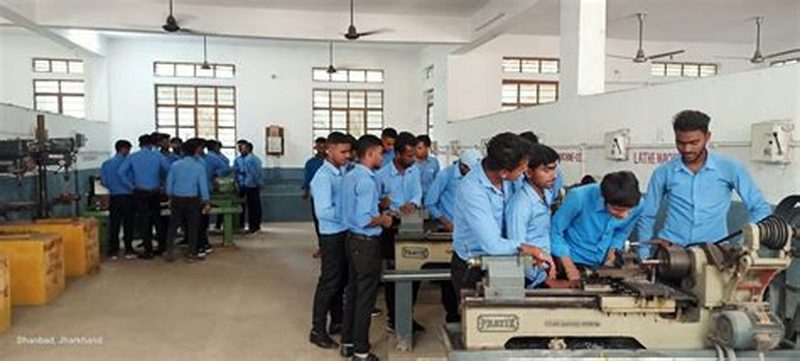
Not every career needs a degree — many need a skill, and the government will teach it to you for free. Skill India courses, run under the Ministry of Skill Development and Entrepreneurship, offer lakhs of young Indians free vocational training with certification, and often stipends, toolkits and placement assistance. For school dropouts, 12th-pass youth and even graduates seeking employable skills, these programmes are among the most underused opportunities in Indian education. This guide explains the major schemes, who can join, and how to enrol.
The flagship schemes
Pradhan Mantri Kaushal Vikas Yojana (PMKVY) is the best-known: free short-term training (3-12 months) in 400-plus job roles, with certification aligned to the National Skills Qualifications Framework and placement assistance. PMKVY 4.0 emphasises new-age skills — AI, robotics, drone technology — alongside traditional trades. The Jan Shikshan Sansthan scheme targets non-literate and school-dropout adults with vocational skills plus basic literacy. Apprenticeship programmes under the Apprentices Act pay stipends while training youth inside real companies. State skill missions add local flavours — from Kerala’s ASAP to Rajasthan’s RSLDC — often with better last-mile delivery than central schemes.
Who can join and what it costs
Eligibility is deliberately broad: most PMKVY courses accept candidates aged 15-45 who are school dropouts or unemployed youth, with Aadhaar and basic documents. Training itself is free — the government pays training partners directly — and many courses include stipends, free toolkits and uniforms. Some advanced or specialised courses charge nominal fees with loan options. Beware of fraud: genuine Skill India training never demands large upfront payments from candidates. Always verify the training centre on the Skill India portal — thousands of listed centres are genuine, but fake operators trade on the brand.
Popular courses and their job outcomes
- IT and digital: data entry, computer operator, digital marketing assistant, drone technician.
- Healthcare: nursing assistant, phlebotomy technician, home-health aide — strong demand with ageing populations.
- Construction and trades: electrician, plumber, welder, mason — perennial demand with self-employment potential.
- Beauty and wellness: beautician, hairdresser — among the highest self-employment rates.
- Retail, hospitality and logistics: customer service, warehouse operations, delivery management.
- New-age: AI assistant roles, robotics technician, solar-panel installer — the green-energy skill wave.
Placement rates vary by centre and trade; the best centres publish verifiable placement data — ask for it before enrolling.
Certification and recognition
Skill India certifications follow NSQF levels, which employers increasingly recognise, and several Sector Skill Councils run respected assessments. The certificates help in private-sector hiring, government contract work and self-employment credibility. Recognition of Prior Learning (RPL) certifies skills workers already have — a mason with ten years of experience can get formally certified without retraining, improving wages and mobility. For overseas work, some certifications align with international standards, aiding Gulf and Southeast Asian employment.
How to enrol: the practical steps
Visit the Skill India portal or the nearest Jan Shikshan Sansthan, Pradhan Mantri Kaushal Kendra or state skill-mission centre. Choose a course matching local job demand — talk to employed alumni of the centre, not just counsellors. Complete the free registration with Aadhaar and educational documents. Attend regularly: dropout is the biggest reason these programmes fail their students, and centres track attendance for certification. After certification, use the centre’s placement cell aggressively while also applying independently — the certificate opens doors, but hustle walks through them.
FAQs
Are Skill India courses really free?
Yes, core PMKVY training is free for eligible candidates, with the government paying training partners. Never pay large fees to anyone claiming Skill India affiliation without verification.
Do these courses guarantee jobs?
No — they provide skills, certification and placement assistance. Outcomes depend on the trade’s demand, the centre’s quality and your own effort.
Can graduates also join?
Yes. Many graduates use Skill India for add-on employable skills, and apprenticeship routes suit fresh graduates well.
Skill India is that rare government programme where the offer is straightforward: free training, recognised certification, and a genuine shot at livelihood. For youth whom the degree race has left behind — or who simply prefer making things to memorising them — it deserves a serious look. Talk to recent alumni of any centre before enrolling; their employment outcomes are the most honest brochure available. And once enrolled, attend every session: consistent attendance is the single biggest predictor of who gets certified and placed.
Source: Ministry of Skill Development and Entrepreneurship

Khabar 24h Editorial Desk — our explainers are prepared by the Khabar 24h editorial team using AI-assisted research tools, and every piece is reviewed by a human editor before publishing. We do not claim original reporting: our work is turning complex topics into simple, accurate summaries. Spotted an error? Write to contact@khabar24h.com — our corrections policy aims for same-day review.
More from this author →