Teacher Training in India: B.Ed, D.El.Ed and the New ITEP Explained
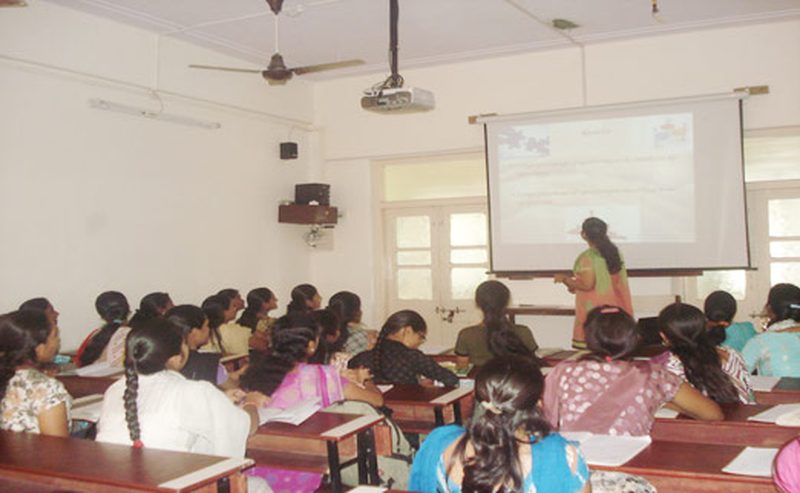
Behind every good school stands a trained teacher, and behind every trained teacher stands a qualification maze that confuses even education graduates. Teacher training in India currently runs through two main routes — B.Ed for secondary teaching and D.El.Ed for primary — with the National Education Policy introducing a game-changing third: the 4-year Integrated Teacher Education Programme (ITEP). With NEP mandating that B.Ed become the standard teaching qualification and ITEP its future flagship, aspirants need a clear map. This guide compares all three routes.
B.Ed: the standard secondary-teaching degree
The Bachelor of Education is a two-year postgraduate programme (after any bachelor’s degree) qualifying graduates to teach Classes 6-12. It covers pedagogy, child psychology, subject-specific teaching methods and a substantial school internship. Admission is through state-level entrance tests or merit, and fees range from nominal in government colleges to 1-2 lakh rupees in private institutions. B.Ed is mandatory for TGT and PGT posts in Kendriya Vidyalayas, Navodaya Vidyalayas, state government schools and most private schools. Quality varies enormously: top government B.Ed colleges and university departments are excellent, while thousands of private B.Ed shops offer degrees with little real training — a problem regulators are slowly addressing through inspections and closures.
D.El.Ed: the primary-teaching diploma
The Diploma in Elementary Education is a two-year programme after Class 12, qualifying holders to teach Classes 1-8. It focuses on foundational pedagogy — how young children learn to read, write and compute — plus art, physical education and inclusive-education basics. D.El.Ed is the required qualification for Primary Teacher (PRT) posts in government schools, and CTET Paper 1 (for Classes 1-5) requires D.El.Ed or equivalent. Fees are modest, especially in government DIETs. The diploma route suits students certain about primary teaching who want to start earning sooner; its limitation is the ceiling — D.El.Ed holders cannot teach secondary classes without upgrading.
ITEP: NEP’s 4-year integrated flagship
The Integrated Teacher Education Programme is NEP 2020’s flagship reform: a four-year dual-major bachelor’s degree combining subject depth (say, Physics) with teacher education, qualifying graduates to teach across stages. Piloted in select institutions from 2023-24, ITEP will by 2030 become the minimum qualification for school teaching, replacing the standalone B.Ed. Its advantages are structural: teaching is a first-choice career from age 18 rather than a fallback after graduation, subject mastery and pedagogy develop together, and the integrated design attracts stronger candidates. Admission is through the National Common Entrance Test (NCET). Early cohorts are small and prestigious; aspirants should track participating institutions each year.
Comparing the three routes
- Entry: D.El.Ed after Class 12; B.Ed after graduation; ITEP after Class 12.
- Duration: D.El.Ed two years; B.Ed two years post-degree (four-six years total); ITEP four years total.
- Teaching scope: D.El.Ed for Classes 1-8; B.Ed for Classes 6-12; ITEP for all stages with specialisation.
- Future-proofing: ITEP is NEP’s designated future standard; B.Ed remains fully valid during the transition.
- Cost and time: D.El.Ed is quickest and cheapest; ITEP is the most efficient full-qualification path from Class 12.
Clearing TET/CTET and getting hired
Qualification alone does not get government jobs: the Central Teacher Eligibility Test (CTET) or state TET is mandatory for Classes 1-8 posts, with Paper 1 for primary and Paper 2 for upper primary. KVS, NVS and state recruitments then run their own written exams and interviews. Private schools hire directly, valuing communication skills, subject command and increasingly technology comfort. Career growth runs from teacher to senior teacher, vice-principal and principal, with pay scales under the 7th Pay Commission making government teaching financially attractive — starting salaries of 40,000-50,000 rupees plus job security draw lakhs of applicants per vacancy.
FAQs
Is B.Ed still worth doing, or should I wait for ITEP?
If you already hold a degree, do B.Ed now — it remains fully valid and ITEP targets Class 12 entrants. If you are in Class 12 and certain about teaching, ITEP is the sharper choice.
Can D.El.Ed holders teach Class 9-10?
No. D.El.Ed qualifies for elementary classes only; secondary teaching needs B.Ed or ITEP.
Is CTET compulsory?
Yes, for government school teaching posts in Classes 1-8. KVS, NVS and most states require it; private schools may or may not.
Teaching remains one of India’s most respected and secure careers, and NEP’s reforms are finally treating teacher preparation as the serious professional education it should be. Choose the route that matches your entry point, pick an institution for its training quality rather than its fee or convenience, and enter classrooms prepared — India’s children deserve nothing less.
Source: National Council for Teacher Education

Khabar 24h Editorial Desk — our explainers are prepared by the Khabar 24h editorial team using AI-assisted research tools, and every piece is reviewed by a human editor before publishing. We do not claim original reporting: our work is turning complex topics into simple, accurate summaries. Spotted an error? Write to contact@khabar24h.com — our corrections policy aims for same-day review.
More from this author →