Study in Canada: Costs, Visa Rules and Post-Study PR Pathways Explained
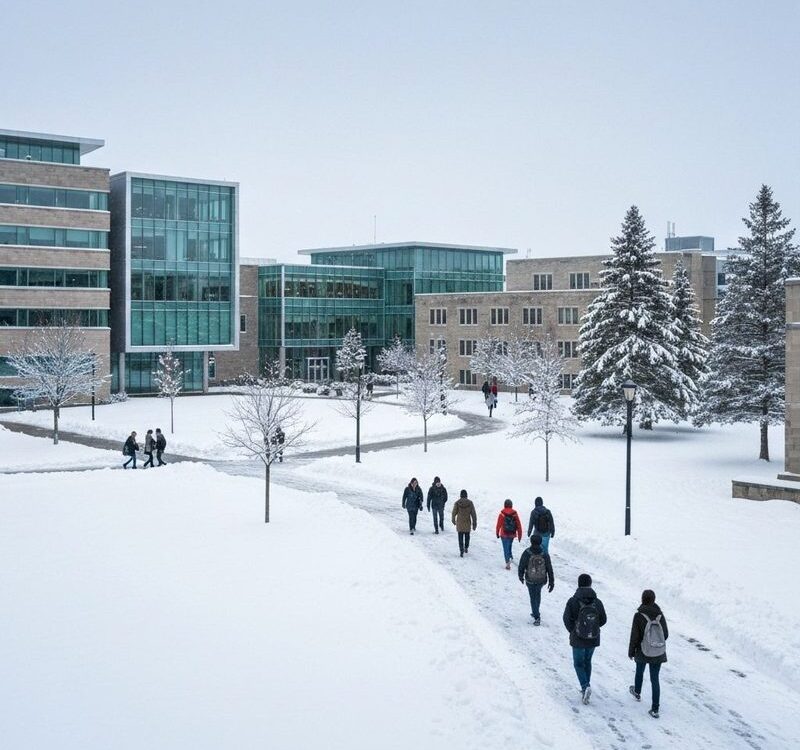
Canada has been the most popular study-abroad destination for Indian students for years — and despite tightening rules, it remains one of the most structured pathways from classroom to permanent residence in the world. The proposition is clear: quality universities, the right to work during studies, a post-graduation work permit of up to three years, and Express Entry routes that reward Canadian education and work experience. But the rules have changed significantly, with caps on study permits and stricter financial requirements. This guide covers the current reality: costs, visas, work rights and the PR pathways.
Costs: tuition and living expenses
Undergraduate tuition for international students typically ranges from CAD 20,000 to 40,000 per year depending on the programme and university; postgraduate programmes run CAD 15,000-35,000, with MBAs and specialised master’s higher. Living costs vary dramatically: Toronto and Vancouver demand CAD 15,000-20,000 yearly, while smaller cities like Winnipeg or Halifax cost CAD 10,000-14,000. The study permit now requires proof of funds of CAD 20,635 for living expenses (plus tuition) for a single applicant — a significant increase from earlier years. Budget for the full picture: tuition, living, insurance (mandatory), and travel. Total annual cost realistically runs CAD 35,000-55,000 for most students.
Universities and programmes: where Indians go
The University of Toronto, UBC, McGill, Waterloo and McMaster lead research rankings, while institutions like Concordia, York, Alberta and Calgary offer strong programmes with relatively lower costs. For career-focused students, Canada’s colleges (Seneca, Humber, George Brown) offer practical diplomas with excellent employment outcomes — a legitimate and often smarter route than a generic university degree. Programme selection should be employment-driven: computer science, data analytics, engineering, healthcare, and skilled trades have the strongest job markets. Check each programme’s PGWP eligibility — only designated learning institutions and eligible programmes qualify graduates for the post-graduation work permit.
The study permit: process and pitfalls
The process: secure admission and a provincial attestation letter (PAL) — now mandatory under the cap system — then apply for the study permit with proof of funds, medical examination and biometrics. The Student Direct Stream (SDS), which offered faster processing for Indians, has been discontinued; all applicants now use the regular stream with full documentation. Approval hinges on three things: genuine finances (the CAD 20,635 plus tuition, with credible source of funds), a logical study plan (does this programme fit your background and goals?), and ties to return if studies fail. Refusals most often cite insufficient funds or an unconvincing study rationale — address both explicitly in the statement of purpose.
Work rights during and after studies
Full-time students may work up to 24 hours per week off-campus during academic sessions (full-time during breaks) — enough to cover living costs partially at Canadian minimum wages (CAD 15-17 hourly depending on province). Co-op programmes integrate paid work terms into the degree. After graduation, the Post-Graduation Work Permit offers up to 3 years of open work rights (duration linked to programme length), and this is the golden ticket: Canadian work experience dramatically boosts PR prospects. Spouses of students in eligible programmes may qualify for open work permits, though rules here have tightened.
The PR pathways: from PGWP to permanent residence
The main routes: Express Entry’s Canadian Experience Class (for those with a year of skilled Canadian work experience), Provincial Nominee Programs (each province nominates graduates in needed occupations — research your province’s streams before choosing a university), and the Atlantic and rural immigration pilots. The CRS score system rewards youth, Canadian education, Canadian work experience and language proficiency — a well-planned student can accumulate a competitive score within 2-3 years of graduation. Strategy matters enormously: province selection, programme choice and early language-test preparation separate those who get PR from those who return home.
FAQs
Is Canada still worth it after the rule changes? For students with solid finances and employable programme choices, yes — the study-to-PR structure remains the world’s clearest. For those stretching finances thin, the risk has risen.
How much can I earn working part-time? At 24 hours weekly and minimum wage, roughly CAD 1,400-1,600 monthly — meaningful support for living costs, not tuition.
Which province is best for PR? It depends on your occupation — Atlantic provinces and the prairies often have less competitive PNP streams than Ontario and BC. Research before you apply.
Canada rewards planners: choose the programme for employment, the province for PR, and keep finances credible. Do that, and the maple leaf pathway still works.
Compiled by the Khabar 24h Editorial Desk from publicly available sources.

Khabar 24h Editorial Desk — our explainers are prepared by the Khabar 24h editorial team using AI-assisted research tools, and every piece is reviewed by a human editor before publishing. We do not claim original reporting: our work is turning complex topics into simple, accurate summaries. Spotted an error? Write to contact@khabar24h.com — our corrections policy aims for same-day review.
More from this author →