RRB NTPC and Group D Exams: Syllabus, Salary Structure and Preparation Tips
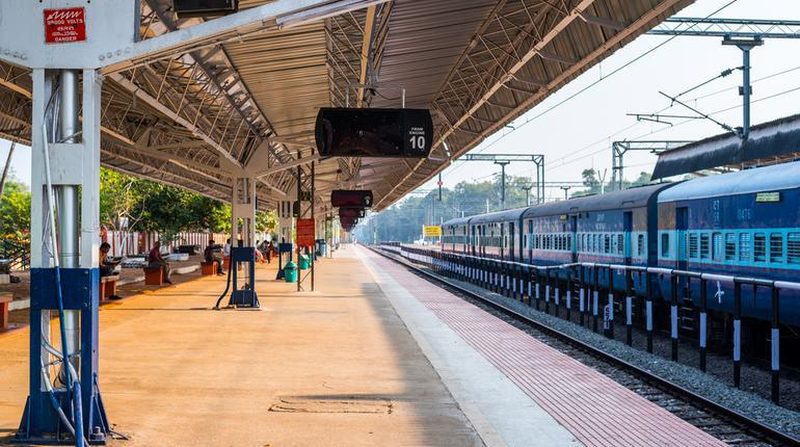
Few examinations in the world match the scale of Indian Railways recruitment: a single RRB NTPC notification can draw over a crore applications for 35,000 posts. The Non-Technical Popular Categories (NTPC) and Level-1 (Group D) exams are the two great gateways into the world’s fourth-largest railway network — offering job security, respectable pay and postings across the country. This guide covers both exams’ syllabi, the salary structure post by post, and preparation tips tuned to how these papers are actually set.
RRB NTPC: pattern and syllabus
NTPC recruits for posts like Goods Guard, Senior Clerk, Commercial Apprentice, Traffic Assistant and Station Master. The selection runs through CBT 1 (screening), CBT 2 (merit), and then a typing/skill test or document verification depending on the post. CBT 1 has 100 questions in 90 minutes: Mathematics (30), General Intelligence and Reasoning (30), and General Awareness (40), with 1/3 negative marking. CBT 2 deepens the same three sections with 120 questions. The syllabus is Class-10 level but the competition is percentile-based — you are not fighting the paper, you are fighting a crore other aspirants, so speed and accuracy decide everything.
Group D (Level-1): pattern and syllabus
Group D covers Track Maintainer, Assistant Pointsman, Assistant Loco Shed and similar posts — the operational backbone of the railways. The CBT has 100 questions in 90 minutes: Mathematics (25), General Intelligence and Reasoning (30), General Science (25) and General Awareness/Current Affairs (20), again with 1/3 negative marking. Qualifiers face a Physical Efficiency Test — running, lifting and carrying tasks with qualifying standards that differ for men and women — before document verification. The PET eliminates a surprising number of candidates each cycle, so physical preparation must run parallel to written preparation, not after it.
Salary structure: what you actually earn
Railway pay follows the 7th Pay Commission with Dearness Allowance, House Rent Allowance and Travel Allowance on top of basic pay. NTPC posts span Level 2 to Level 6: a Junior Clerk starts around Rs 19,900 basic while a Goods Guard or Station Master at Level 6 starts at Rs 35,400 basic — with allowances, in-hand salaries run roughly Rs 35,000 to Rs 60,000+ depending on the city class and post. Group D posts are Level 1 (Rs 18,000 basic), with in-hand pay around Rs 28,000-35,000. Add the unmatched railway benefits: free or heavily subsidised travel passes, railway housing or HRA, medical facilities and pension under the National Pension System. Promotions through departmental exams can take a Group D employee to supervisory grades within a decade.
Preparation tips that match the paper
- Maths: master arithmetic — percentages, ratios, time-work, SI-CI — since it dominates both exams; practise 50 questions daily with a timer.
- Reasoning: the most scoring section; series, coding-decoding, syllogisms and puzzles need daily drills.
- General Science (Group D): NCERT Classes 6-10 science, especially physics and biology basics — highly repetitive across cycles.
- General Awareness: 6 months of current affairs plus static GK on railways, awards, sports and Indian polity.
- Mocks: 2-3 per week in the final two months; RRB papers reward those who have internalised the exact question style.
- PET (Group D): start running and strength training from day one of preparation.
Life after selection: growth within the railways
A railway job is not a static posting — it is a career ladder. Departmental examinations (like LDCE) allow Group D staff to rise to technician, supervisor and even officer grades; NTPC recruits can appear for departmental promotions into gazetted ranks. The railways also sponsor higher education and technical certifications for employees. Transfers follow a request-based system with seniority rules, and mutual transfers between zones are common. For aspirants from small towns, the combination of a government salary, railway quarters, free travel and a clear promotion path makes these posts among the most life-changing opportunities in Indian public recruitment.
FAQs
What is the age limit? Typically 18-30/33 years depending on the post and category, with standard government relaxations — always verify the specific notification.
Can graduates apply for Group D? Yes, though the minimum qualification is Class 10/ITI. Many graduates apply for the security and benefits.
How competitive is NTPC really? Extremely — selection ratios can be 1:300 or worse. But the syllabus is finite and the paper pattern stable, so systematic preparation genuinely works.
Railway recruitment is a marathon of consistency: finite syllabus, stable patterns, and rewards for those who prepare daily. Start the physical training now, master the arithmetic, and treat every mock as the real thing.
Compiled by the Khabar 24h Editorial Desk from publicly available sources.

Khabar 24h Editorial Desk — our explainers are prepared by the Khabar 24h editorial team using AI-assisted research tools, and every piece is reviewed by a human editor before publishing. We do not claim original reporting: our work is turning complex topics into simple, accurate summaries. Spotted an error? Write to contact@khabar24h.com — our corrections policy aims for same-day review.
More from this author →