Critical Illness Cover: How It Differs From Regular Health Insurance
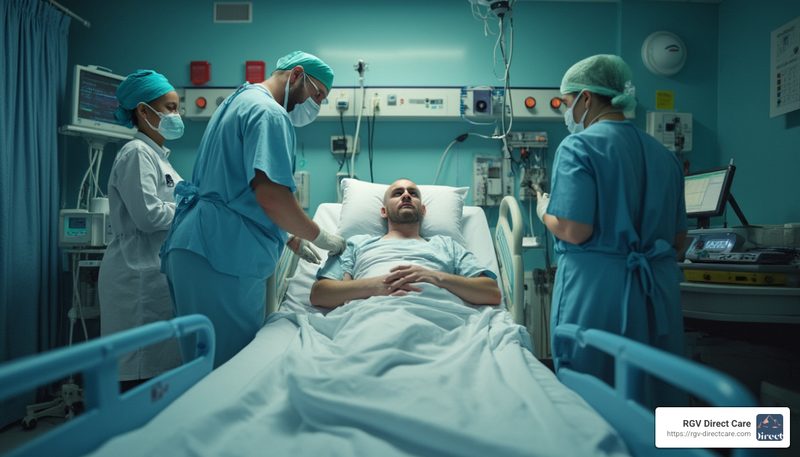
A cancer diagnosis brings two crises: the medical one and the financial one. Regular health insurance handles the hospital bills — but who pays the EMIs during a year of treatment, the income lost to recovery, the experimental therapy the policy excludes? Critical illness cover answers the second crisis: a lump-sum payout on diagnosis of listed serious diseases, usable for anything, no bills required. It is not a replacement for health insurance — it is the missing half of the protection. Here is how it differs and who needs it.
How critical illness cover works
Buy a cover of, say, 20 lakhs against a defined list of illnesses — typically 30 to 60 conditions including cancer, heart attack, stroke, major organ transplant, kidney failure and paralysis. On first diagnosis of a covered illness meeting the policy’s definitions (which include severity thresholds — not every cancer or cardiac event qualifies), the insurer pays the full sum assured as a lump sum, and the policy usually terminates. There is a survival period — commonly 30 days from diagnosis — and a waiting period of 90 days from policy start during which claims are not admissible. No hospitalisation is required, no bills need submitting; the diagnosis report triggers the payment.
How it differs from regular health insurance
The differences are structural. Health insurance (mediclaim) is indemnity-based: it reimburses actual hospital expenses up to the sum insured, paid to the hospital or to you against bills. Critical illness is benefit-based: a fixed lump sum on a defined event, regardless of actual expenses — spend it on treatment, EMIs, children’s fees or a recovery holiday. Health insurance covers any hospitalisation including accidents and infections; critical illness covers only its listed diseases. Health insurance renews yearly with claims affecting no-claim bonuses; critical illness typically pays once and ends. They are complements: mediclaim pays the hospital, critical illness replaces the income and funds everything the hospital bill does not capture.
Who needs it most
The need tracks two factors: financial vulnerability to income interruption, and family history of the covered diseases. Primary earners with dependents, EMIs and limited savings face the sharpest risk — a year out of work can destroy a decade of financial progress. Those with parents or siblings who faced cancer or cardiac events carry higher personal risk and should weigh cover seriously. The self-employed, with no employer sick-leave safety net, need it more than salaried employees with paid medical leave. A useful sizing rule: cover one to two years of household expenses plus outstanding EMIs — enough to hold life together through treatment and recovery.
- Payout: lump sum on diagnosis — no bills, usable for anything.
- Vs mediclaim: benefit-based vs indemnity; complements rather than replaces.
- Key conditions: survival period (~30 days), initial waiting period (90 days), severity definitions.
- Sizing: 1–2 years of expenses plus EMIs is a practical benchmark.
Choosing a plan: the fine print that decides claims
Not all critical illness plans are equal, and the differences hide in definitions. Compare the number and breadth of covered illnesses, but more importantly the severity thresholds — a plan covering 60 illnesses with stringent definitions may pay less often than one covering 35 with fairer ones. Check whether the plan covers early-stage cancers or only advanced ones, whether angioplasty counts or only bypass surgery, and how stroke and paralysis are defined. Standalone critical illness plans usually offer deeper coverage than the riders attached to term or health policies, though riders are cheaper and simpler to administer. Buy young — premiums are low in the thirties and the cover is most valuable across the decades when lifestyle diseases strike.
FAQs
Can I claim if I already have health insurance? Yes — the two are independent. Claim hospital bills on mediclaim and receive the critical illness lump sum separately.
Does the policy continue after a claim? Usually the policy terminates on payout; some plans offer multi-pay variants covering subsequent unrelated illnesses at higher premiums.
Are premiums tax-deductible? Yes — critical illness premiums qualify for 80D deduction as health insurance, within the applicable limits.
Critical illness cover insures what hospital bills never show: the income that stops, the EMIs that do not, and the year of life that treatment consumes. Pair it with solid health insurance, size it to your obligations, read the definitions — and the diagnosis, if it ever comes, stays a medical crisis rather than a financial one.
Compiled by the Khabar 24h Editorial Desk from publicly available sources.

Khabar 24h Editorial Desk — our explainers are prepared by the Khabar 24h editorial team using AI-assisted research tools, and every piece is reviewed by a human editor before publishing. We do not claim original reporting: our work is turning complex topics into simple, accurate summaries. Spotted an error? Write to contact@khabar24h.com — our corrections policy aims for same-day review.
More from this author →