How Dividends Work: Record Dates, Payouts and What They Signal to Investors
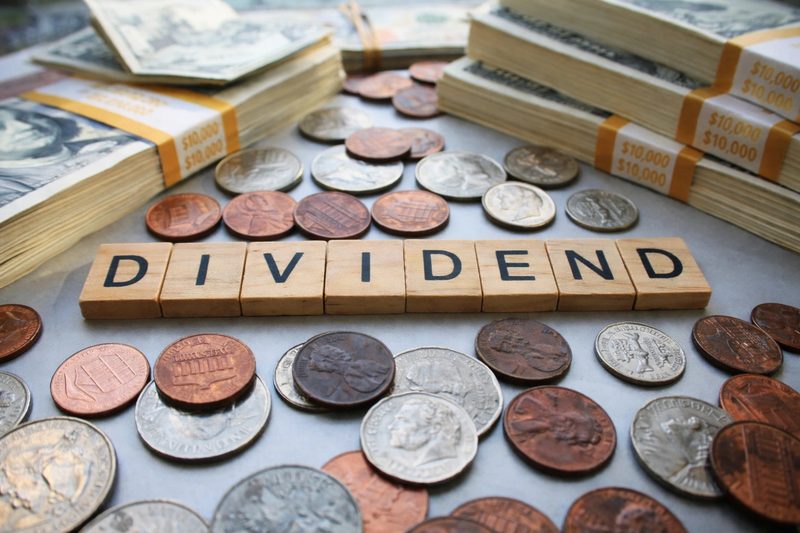
Every year, profitable Indian companies distribute lakhs of crores of rupees to shareholders as dividends — cash paid out of profits, credited directly to bank accounts. For investors, dividends are the tangible half of equity returns, the part that arrives as money rather than paper gains. Yet the mechanics confuse even experienced investors: record dates, ex-dividend dates, payout ratios and the tax treatment all interact in ways worth understanding. Here is how dividends work and what they signal.
How a dividend is declared and paid
Dividends begin with the board of directors, which recommends a payout — say, 10 rupees per share — usually alongside quarterly or annual results. Shareholders approve it at the annual general meeting for final dividends; interim dividends, declared during the year, need only board approval. The company then announces a record date: shareholders on the company’s books at the close of that date receive the dividend. Because India settles trades on T+1, you must buy the shares at least one working day before the record date — the stock goes ex-dividend on the record date itself, meaning buyers on or after that date do not get the payout. The share price typically drops by roughly the dividend amount on the ex-date, which surprises beginners who expected free money: the dividend is a transfer from the company’s cash to you, and the market reprices accordingly.
What dividend policy signals
A company’s dividend behaviour is a window into its character. Consistent, growing dividends signal mature cash flows and management confidence — the classic dividend aristocrats. A high payout ratio, the share of profits distributed, suggests limited reinvestment opportunities; a low one suggests growth ambitions. Sudden dividend cuts often precede bad news, while special dividends usually mean one-off cash — an asset sale, not a new normal. Be wary of yields that look too generous: a 10 per cent dividend yield usually reflects a crashed share price rather than generosity, and distressed companies sometimes maintain dividends briefly to project health. Judge the dividend by the business behind it, not the yield alone.
The tax treatment
Since April 2020, dividends are taxed in shareholders’ hands at slab rates — the old dividend distribution tax paid by companies is gone. Companies deduct 10 per cent TDS on dividends exceeding 10,000 rupees a year per shareholder, which you claim as credit when filing. For investors in higher slabs, this makes dividends less tax-efficient than buybacks or capital appreciation; for those in lower slabs, dividend income remains attractive. Foreign investors face their own withholding rates under tax treaties. The practical consequence: there is no longer a tax arbitrage in dividends, so evaluate them as what they are — cash returns, taxed like income.
- Record date: own the shares by close of the day before to receive the dividend.
- Ex-date drop: the price typically falls by the dividend amount — it is a transfer, not a bonus.
- Payout ratio: high means maturity (or stagnation); low means reinvestment (or hoarding).
- Tax: taxed at your slab rate since 2020, with 10% TDS above 10,000 rupees.
Dividends versus buybacks
Companies returning cash have two tools: dividends, paid to all shareholders equally, and buybacks, which repurchase shares and lift the remaining holders’ ownership. Buybacks are more tax-efficient for most investors and signal management’s belief that the stock is undervalued; dividends provide regular income that retirees and income funds depend on. Neither is inherently superior — the question is what the company’s shareholders need and what the tax code rewards. Watch for companies that borrow to pay dividends: returning cash you do not have is financial theatre.
FAQs
When will the dividend reach my account? Companies must pay within 30 days of declaration; it is credited directly to the bank account linked to your demat account.
Do I get dividends on shares bought just before the record date? Only if the purchase settles in time — buy at least one working day before the record date under T+1 settlement.
Are dividends guaranteed? No. Boards can cut or skip dividends anytime; only the declared dividend for a given period is an obligation.
Dividends are the stock market’s way of paying rent on your capital — regular, tangible, and revealing about the business paying them. Understand the dates, read the signals, account for the tax — and let the payouts compound quietly alongside your capital gains.
Compiled by the Khabar 24h Editorial Desk from publicly available sources.

Khabar 24h Editorial Desk — our explainers are prepared by the Khabar 24h editorial team using AI-assisted research tools, and every piece is reviewed by a human editor before publishing. We do not claim original reporting: our work is turning complex topics into simple, accurate summaries. Spotted an error? Write to contact@khabar24h.com — our corrections policy aims for same-day review.
More from this author →