The Emergency Fund Rulebook: How Much to Keep and Where to Park It
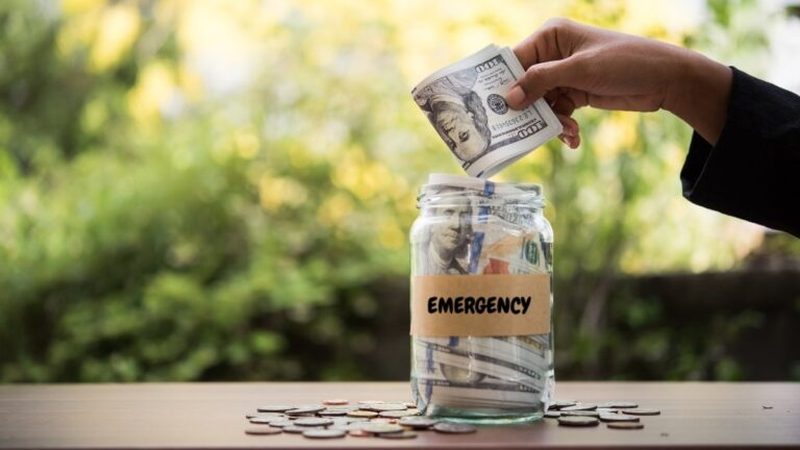
Before the first SIP, before the first stock purchase, before any talk of returns — there is the emergency fund. It is the least glamorous and most important part of personal finance: a pool of money that exists solely to absorb life’s shocks — a job loss, a medical bill, a car breakdown — without forcing you to borrow at high interest or sell investments at the worst moment. Financial planners are unanimous that it comes first. The questions are how much to keep and where to park it so it is safe, liquid and still earning something.
How much is enough
The standard rule is 3 to 6 months of essential expenses — not income, expenses. Tally your non-negotiable monthly outflows: rent or EMI, utilities, groceries, transport, insurance premiums, school fees and minimum debt payments. A salaried employee in a stable job with a working spouse can aim for the lower end, around 3 to 4 months. A freelancer, a single-income household, a business owner or anyone in a volatile industry should hold 6 to 12 months. The fund is sized in months of survival, not rupees of ambition: its job is to buy you time to recover, not to grow. Revisit the number yearly — as expenses rise with lifestyle and inflation, the fund must grow too, or it silently shrinks in real protection.
Where to park it: the liquidity ladder
An emergency fund must satisfy three conditions simultaneously: safety of principal, instant access, and at least some return to fight inflation. No single product nails all three perfectly, so split the fund across a small ladder. Keep one month’s expenses in your savings account — instantly available for a midnight hospital deposit. Keep two to three months in a sweep-in fixed deposit or a short-tenure FD linked to your savings account, which auto-breaks when your balance runs short and earns FD rates while it waits. Park the remainder in a liquid mutual fund or an overnight fund: redeemable the next working day, modestly better post-tax returns for most slab taxpayers, and out of sight so you are not tempted to dip in for non-emergencies. Avoid locking emergency money in long-tenure FDs with penalties, and never count equity investments, EPF or credit card limits as your emergency fund — the first two may be down exactly when you need them, and the last is debt, not a fund.
- Savings account: 1 month of expenses — instant access, lowest return.
- Sweep-in FD: 2–3 months — auto-liquidity with FD interest.
- Liquid/overnight fund: the rest — next-day redemption, slightly better returns.
- Not emergency money: stocks, long lock-in FDs, EPF, gold jewellery, credit limits.
Building it from zero
If you are starting with nothing, do not wait for a windfall. Automate a monthly transfer — even 2,000 or 5,000 rupees — into a separate savings account or RD earmarked as the emergency fund, and treat it as non-negotiable as rent. Direct bonuses, tax refunds and cash gifts toward it until the target is hit. Most households can build a basic fund in 8 to 14 months this way. Once the target is reached, redirect that monthly flow into investments; the emergency fund then just sits, topped up occasionally for inflation.
When to use it — and the refill rule
Define emergencies in advance, in writing if it helps: job loss, medical emergencies, urgent home or car repairs, and essential family support. A discounted phone, a wedding outfit and a vacation are not emergencies, however urgent they feel. The discipline that matters most is the refill rule: every rupee withdrawn must be repaid on a schedule, like a loan to yourself, before discretionary spending resumes. An emergency fund that is used and never refilled is just delayed spending — the protection only compounds if the habit of rebuilding is automatic.
FAQs
Should my emergency fund be 6 months of income or expenses? Expenses. Income overstates the need if you save a large share, and the fund’s job is to cover outflows during a crisis.
Can I keep the whole fund in a liquid mutual fund? You can keep most of it there, but retain at least a month’s expenses in a savings account for truly instant, any-hour access.
Does the emergency fund earn enough to beat inflation? Usually not, and that is fine. Its return is measured in crises avoided, not percentage points — growth is the job of your investments.
The emergency fund will never impress anyone at a dinner party. But the month your income stops and your expenses do not, it is the difference between a setback and a spiral. Build it first, size it honestly, park it wisely — and then invest with the calm that only a safety net provides.
Compiled by the Khabar 24h Editorial Desk from publicly available sources.

Khabar 24h Editorial Desk — our explainers are prepared by the Khabar 24h editorial team using AI-assisted research tools, and every piece is reviewed by a human editor before publishing. We do not claim original reporting: our work is turning complex topics into simple, accurate summaries. Spotted an error? Write to contact@khabar24h.com — our corrections policy aims for same-day review.
More from this author →