Nobel-winning optogenetics restores partial sight in trial
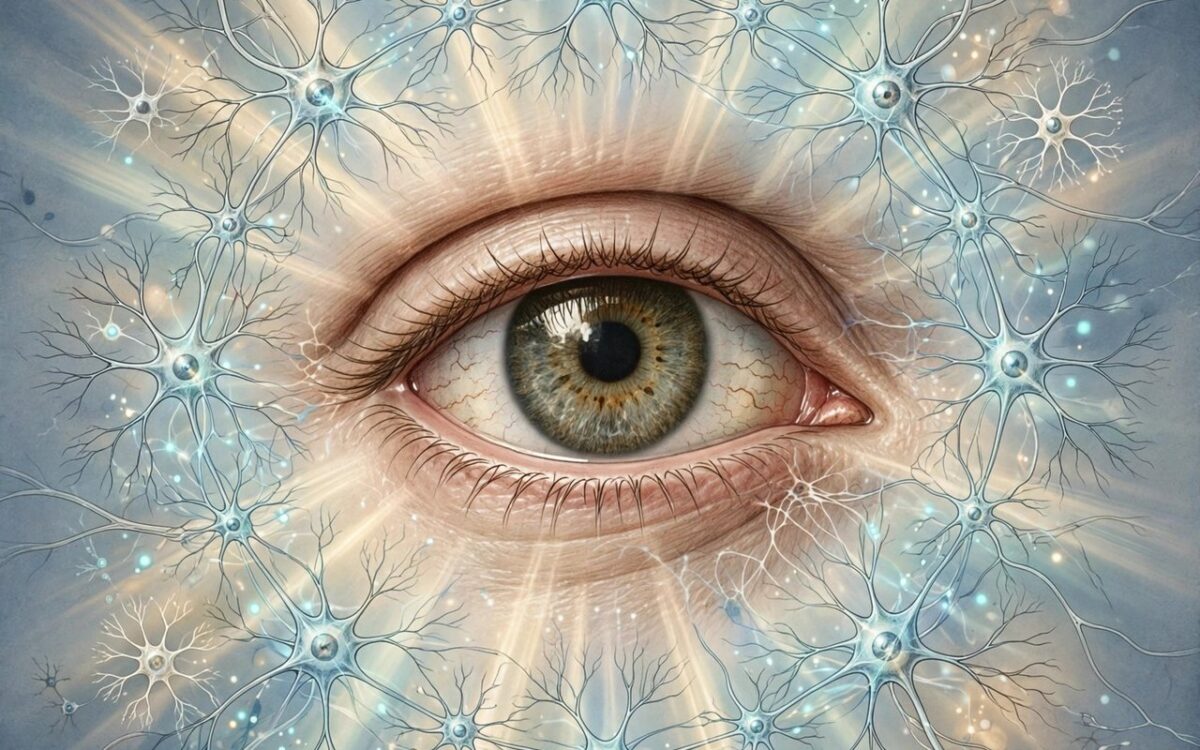
A therapy based on the Nobel-winning science of optogenetics has partially restored sight in blind patients. The results were published in the New England Journal of Medicine on October 7.
Ten patients with advanced retinitis pigmentosa received a light-sensitive protein called ChrimsonR in one eye. They then wore goggles that convert images into light pulses. Seven of the ten showed improved light sensitivity. Six achieved clinically meaningful gains.
The therapy, called GS030, is being developed by GenSight Biologics. The PIONEER study was led by Sahel and Roska. Most side effects were mild or moderate, including temporary inflammation. One severe event resolved within minutes. Brain scans showed visual signals reaching the visual cortex in some patients. It is the largest optogenetics trial so far. The work builds on a first patient treated in 2021, who could locate objects using the goggles.
The 2026 Nobel Prize in Medicine went to Deisseroth, Hegemann and Nagel for optogenetics. The field uses light to control nerve cells. Larger trials are needed before the therapy can reach patients.

Khabar 24h Editorial Desk — our explainers are prepared by the Khabar 24h editorial team using AI-assisted research tools, and every piece is reviewed by a human editor before publishing. We do not claim original reporting: our work is turning complex topics into simple, accurate summaries. Spotted an error? Write to contact@khabar24h.com — our corrections policy aims for same-day review.
More from this author →
Leave a Reply