ICC sanctions explained: why the US hit the court after the Nobel
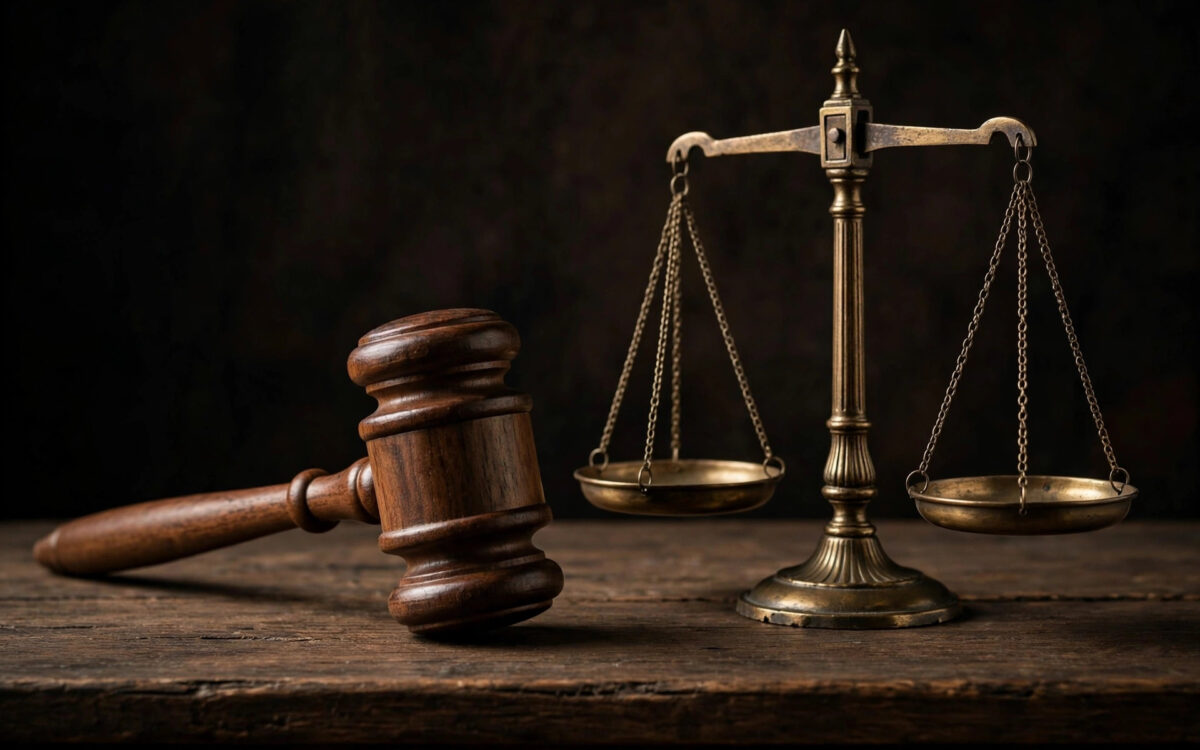
The United States has sanctioned the International Criminal Court, and the timing is the story. The move came on October 9, just hours after the Nobel Peace Prize went to Navi Pillay, a former ICC judge. Washington says the sanctions will ban transactions with the court, cutting off its resources and crippling its ability to operate.
The feud is older than this week. The Trump administration previously targeted the court after it issued an arrest warrant for Israel’s Benjamin Netanyahu over alleged war crimes in Gaza, and after it investigated American soldiers over their actions in Afghanistan.
The Nobel Committee, in announcing Pillay’s win, denounced attacks on “systems of international law”. Secretary of State Marco Rubio said Trump “will never allow the International Criminal Court to prosecute Americans”.
Critics ask whether the sanctions punish the court because the Nobel Committee snubbed Trump, who has openly campaigned for the prize. The White House did not immediately respond to requests for comment.
What happens next: the court’s funding and operations face new pressure, while its supporters rally behind Pillay’s win. The episode deepens the clash between Washington and international justice institutions.
Related stories
View all →
Bitcoin’s $83,000 rebound explained
Why bitcoin bounced above $83,000: Trump's Iran statement, ETF outflows, and the key levels traders watch.

Starlink Mobile explained: SpaceX’s carrier play
How SpaceX's 800 MHz spectrum deal and 15,000 new satellites could turn Starlink Mobile into a US carrier.
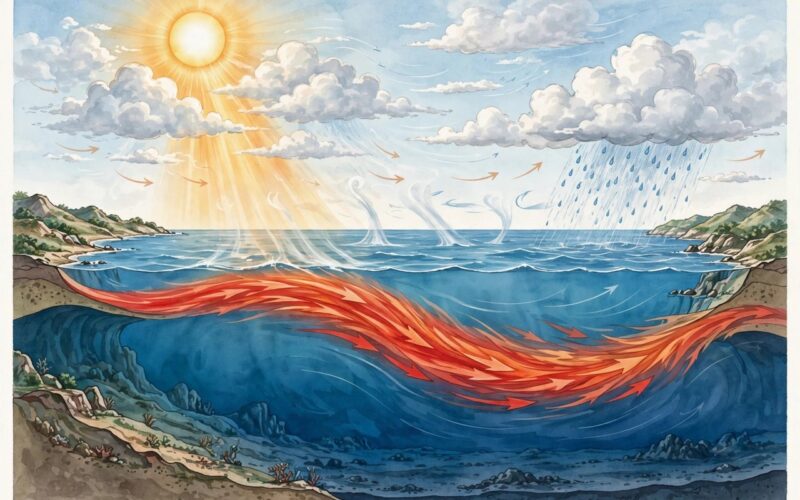
El Nino explained: why Maharashtra is parched
What El Nino is, how it weakens the monsoon, and why it left Maharashtra declaring drought in 265 talukas.

Khabar 24h Editorial Desk — our explainers are prepared by the Khabar 24h editorial team using AI-assisted research tools, and every piece is reviewed by a human editor before publishing. We do not claim original reporting: our work is turning complex topics into simple, accurate summaries. Spotted an error? Write to contact@khabar24h.com — our corrections policy aims for same-day review.
More from this author →
Leave a Reply