What Is LISA? NASA And ESA’s Gravitational-Wave Mission
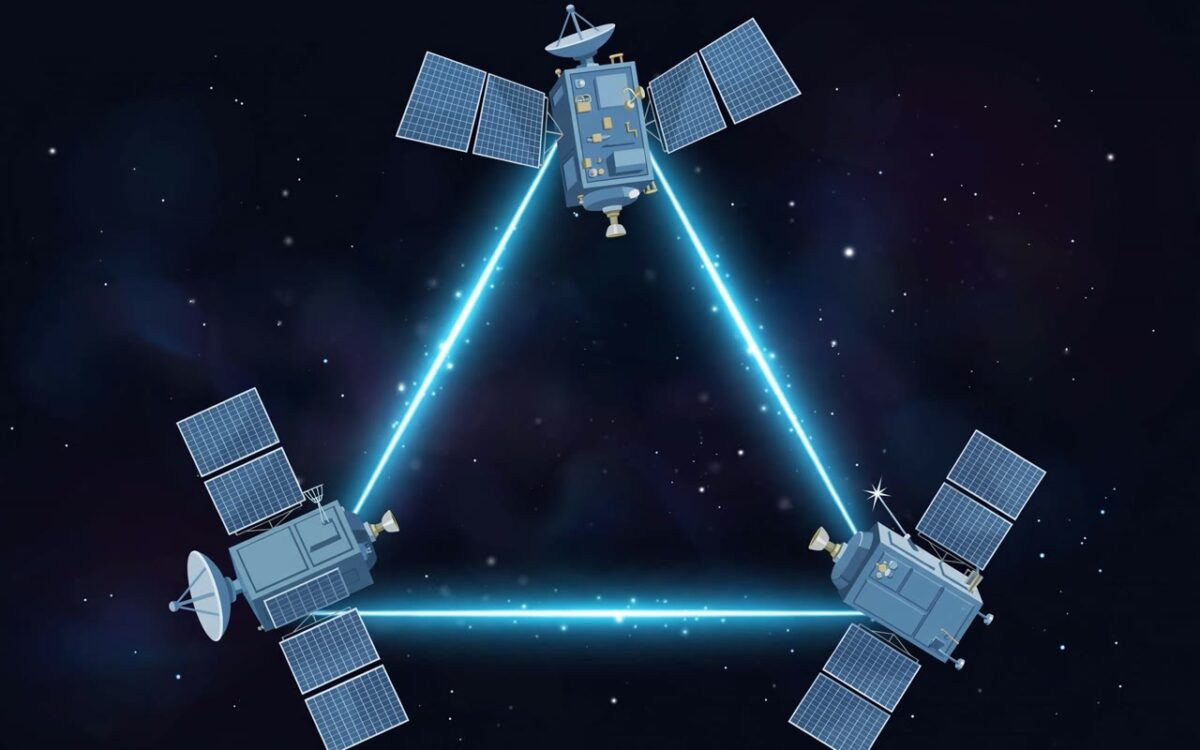
LISA, the Laser Interferometer Space Antenna, is an ambitious space mission to detect gravitational waves, ripples in space-time predicted by Einstein. Here is what it is and why it matters. Three spacecraft will fly in formation millions of miles apart, linked by lasers. Tiny changes in the distance between them will reveal gravitational waves from black hole mergers and other cosmic events.
ESA leads the project, with NASA expected to supply lasers, telescopes and charge management devices, though US budget pressures have created uncertainty. In May, ESA gave Thales Alenia Space a 26.1 million euro contract to develop the telescopes itself as risk cover. Gravitational-wave astronomy opened a new window on the universe with ground detectors; LISA would extend it to lower frequencies unreachable from Earth.
If built as planned, it could transform our understanding of black holes. If LISA flies as planned, scientists expect it to detect mergers of supermassive black holes and map the early universe in ways no Earth-based observatory can. It would be the largest space science mission of its kind.
Related stories
View all →
Bitcoin’s $83,000 rebound explained
Why bitcoin bounced above $83,000: Trump's Iran statement, ETF outflows, and the key levels traders watch.
Starlink Mobile explained: SpaceX’s carrier play
How SpaceX's 800 MHz spectrum deal and 15,000 new satellites could turn Starlink Mobile into a US carrier.
El Nino explained: why Maharashtra is parched
What El Nino is, how it weakens the monsoon, and why it left Maharashtra declaring drought in 265 talukas.

Khabar 24h Editorial Desk — our explainers are prepared by the Khabar 24h editorial team using AI-assisted research tools, and every piece is reviewed by a human editor before publishing. We do not claim original reporting: our work is turning complex topics into simple, accurate summaries. Spotted an error? Write to contact@khabar24h.com — our corrections policy aims for same-day review.
More from this author →
Leave a Reply