Why India may set a floor price on cotton yarn exports
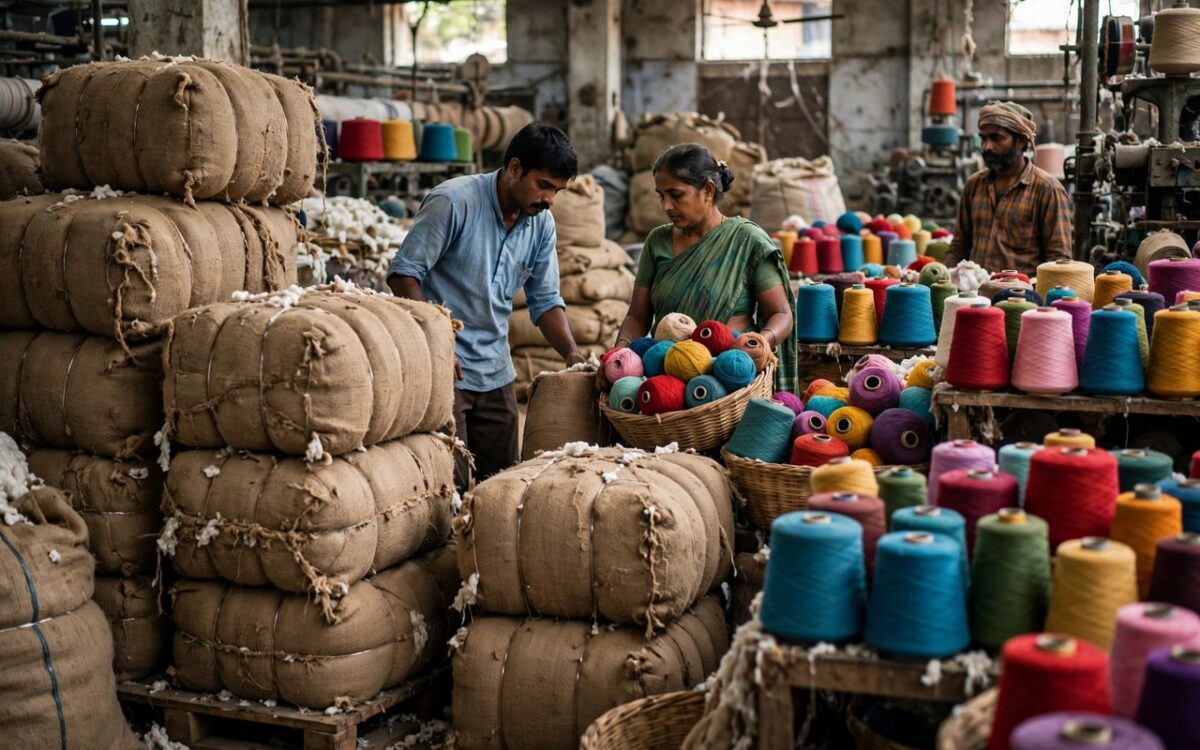
The government is vetting a proposal to levy a minimum export price on cotton yarn, a first-of-its-kind move to protect domestic textile makers. Here is what is happening.
Cotton yarn prices have surged about 60 per cent, from roughly Rs 250 per kg in early 2026 to nearly Rs 400 per kg now. The spike is squeezing garment makers who use yarn to produce fabrics and clothes.
The surge followed US restrictions on cotton from China’s Xinjiang region over forced-labour allegations. Global buyers shifted to Indian cotton and yarn, pushing up exports to countries like Bangladesh and Vietnam and tightening domestic supply.
Industry body AEPC has urged the government to regulate yarn exports, particularly of 20s count and above. It argues India should prioritise value-added garment exports, which earn Rs 800-1,200 per kg, over raw yarn at Rs 325 per kg.
The textiles ministry is in talks with apparel makers facing delivery deadlines. ‘We are in discussions with apparel manufacturers,’ an official told Mint. A minimum export price would make exports costlier, keeping more yarn at home.
Related stories
View all →
Bitcoin’s $83,000 rebound explained
Why bitcoin bounced above $83,000: Trump's Iran statement, ETF outflows, and the key levels traders watch.

Starlink Mobile explained: SpaceX’s carrier play
How SpaceX's 800 MHz spectrum deal and 15,000 new satellites could turn Starlink Mobile into a US carrier.

El Nino explained: why Maharashtra is parched
What El Nino is, how it weakens the monsoon, and why it left Maharashtra declaring drought in 265 talukas.

Khabar 24h Editorial Desk — our explainers are prepared by the Khabar 24h editorial team using AI-assisted research tools, and every piece is reviewed by a human editor before publishing. We do not claim original reporting: our work is turning complex topics into simple, accurate summaries. Spotted an error? Write to contact@khabar24h.com — our corrections policy aims for same-day review.
More from this author →
Leave a Reply