EU carbon border tax explained: why BRICS is pushing back
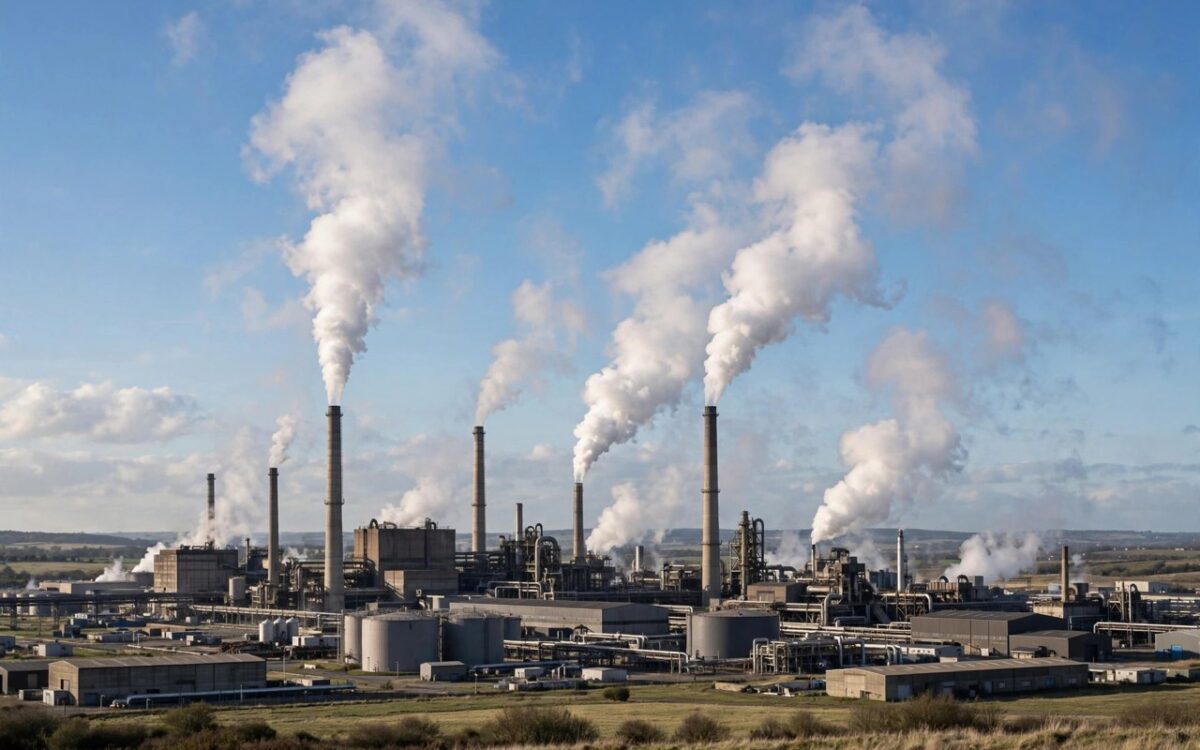
The European Union's carbon border tax has put it on a collision course with developing economies. Here is how the mechanism works and why BRICS opposes it.
CBAM, the Carbon Border Adjustment Mechanism, began operating on January 1, 2026. It charges importers for the carbon dioxide released while making certain goods abroad.
It covers six sectors: iron and steel, aluminium, cement, fertilisers, hydrogen and electricity. From February 2027, importers must buy certificates for the embedded carbon, priced off the EU carbon market at roughly 75 euros a tonne.
The impact is sharp. Making a tonne of steel in India releases 2.54 tonnes of CO2, against a world average of 1.9 tonnes. That puts a paper carbon charge of about 190 euros on each tonne of Indian steel.
India sold $6.3 billion of CBAM-covered goods to the EU in 2024, mostly steel. On September 12, the 11-member BRICS bloc called such measures "unilateral, punitive, discriminatory and protectionist" in its New Delhi Declaration.
BRICS argues the tax ignores the principle that countries have common but differentiated responsibilities on climate, given their different histories of emissions.
Related stories
View all →
Bitcoin’s $83,000 rebound explained
Why bitcoin bounced above $83,000: Trump's Iran statement, ETF outflows, and the key levels traders watch.

Starlink Mobile explained: SpaceX’s carrier play
How SpaceX's 800 MHz spectrum deal and 15,000 new satellites could turn Starlink Mobile into a US carrier.
El Nino explained: why Maharashtra is parched
What El Nino is, how it weakens the monsoon, and why it left Maharashtra declaring drought in 265 talukas.

Khabar 24h Editorial Desk — our explainers are prepared by the Khabar 24h editorial team using AI-assisted research tools, and every piece is reviewed by a human editor before publishing. We do not claim original reporting: our work is turning complex topics into simple, accurate summaries. Spotted an error? Write to contact@khabar24h.com — our corrections policy aims for same-day review.
More from this author →
Leave a Reply